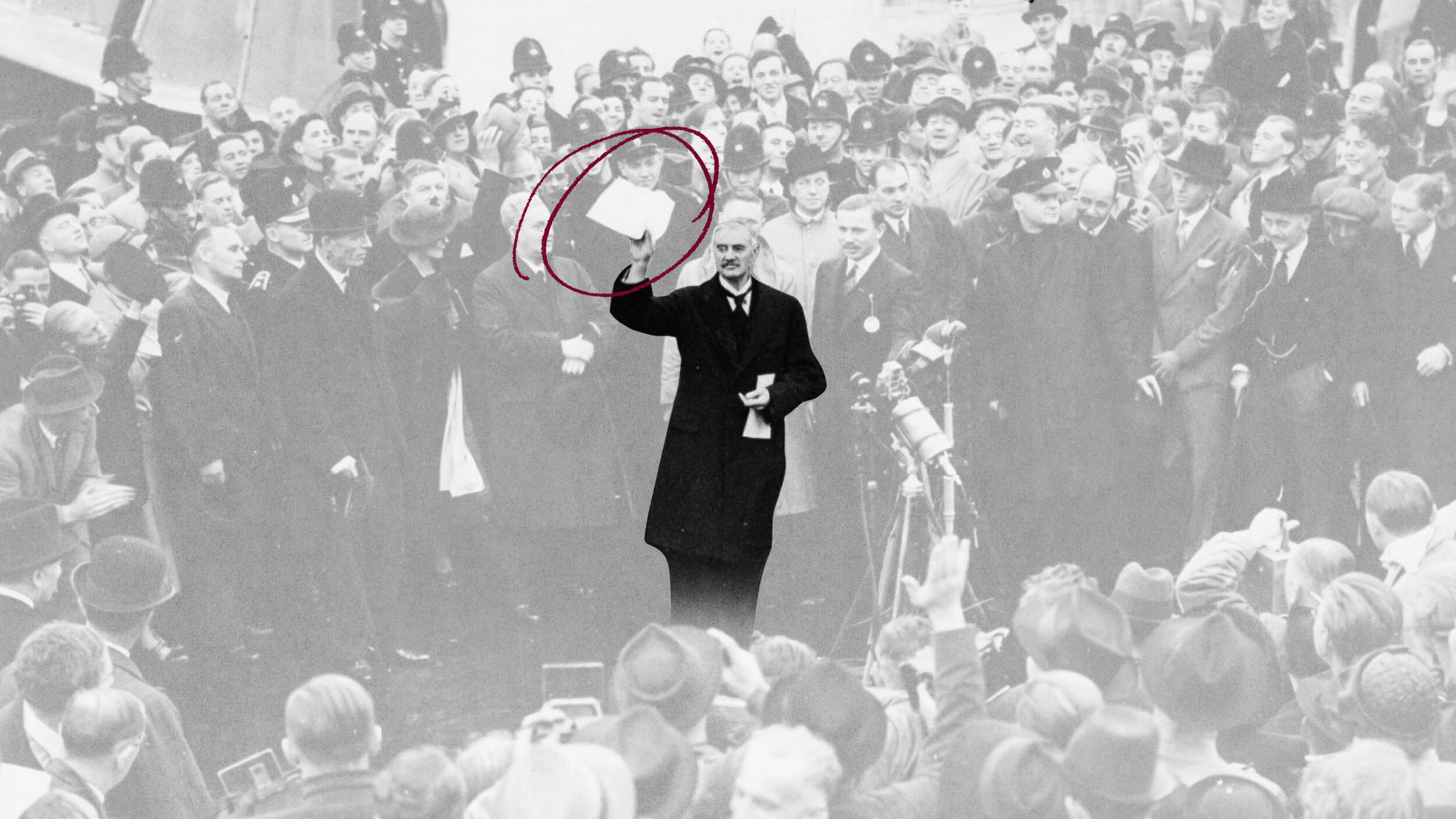
From Hitler to Hamas, Western powers have repeatedly dismissed open threats as bluffs — with catastrophic results.
All Articles
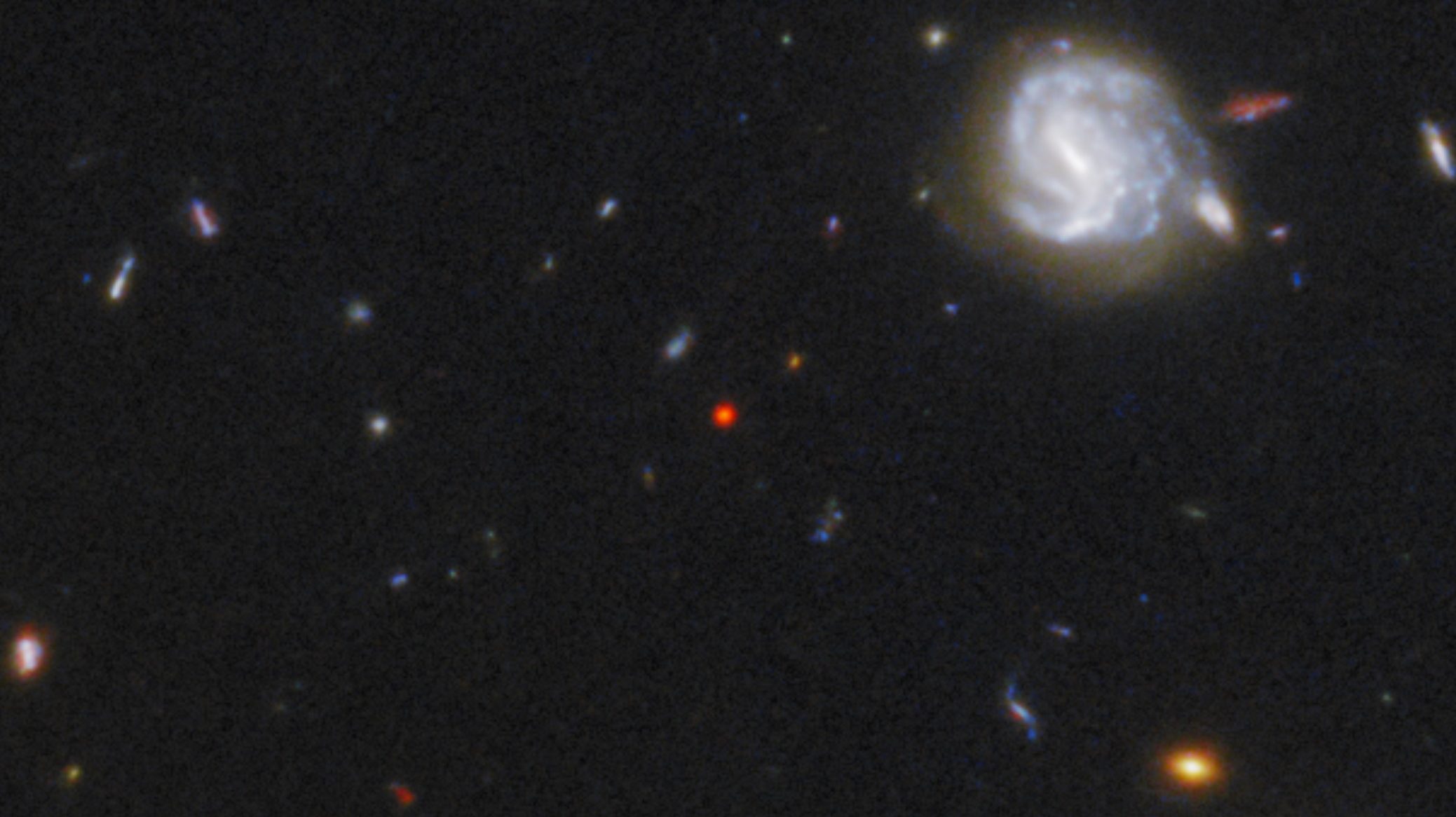
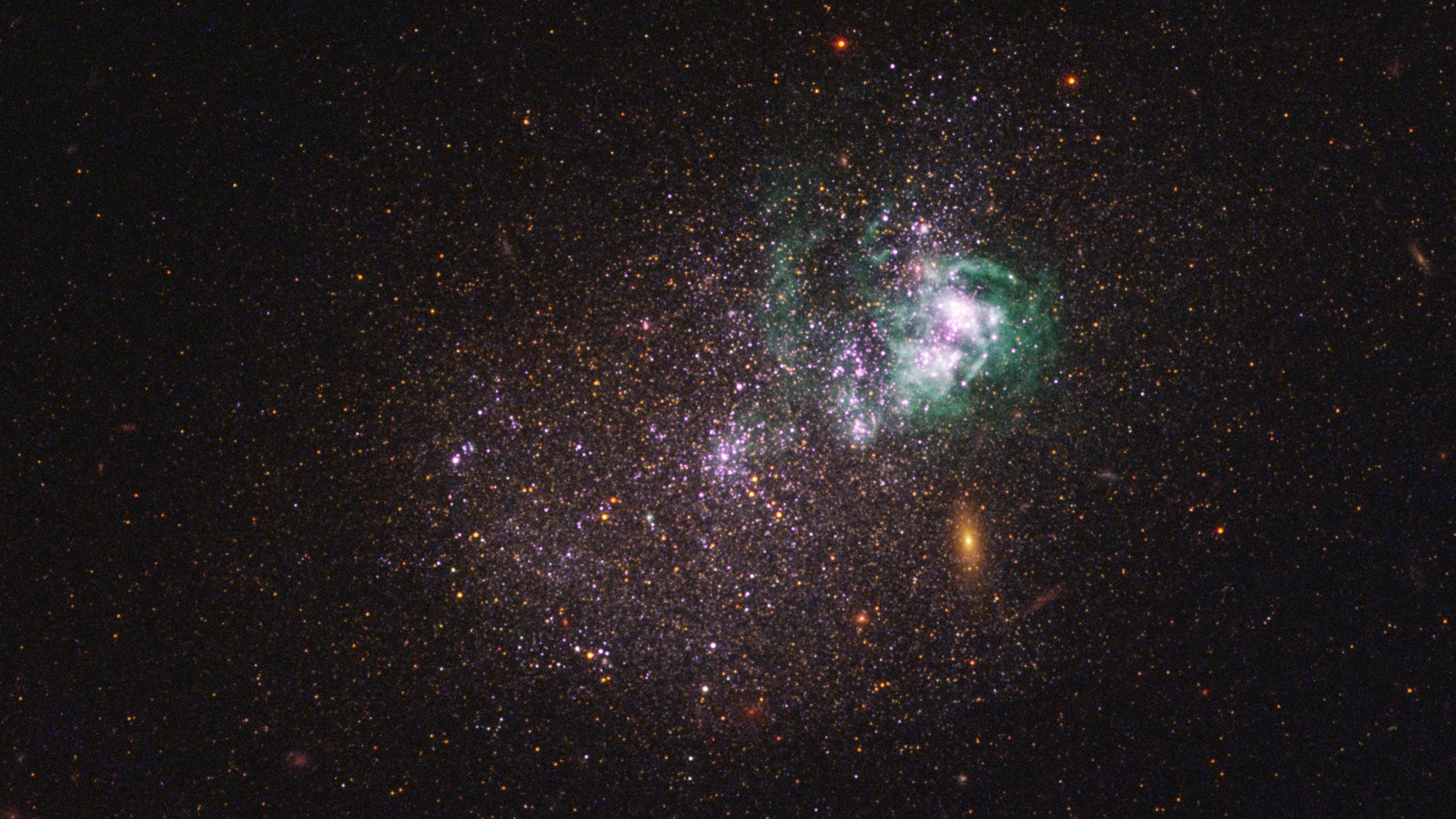
Found by Hubble before JWST’s launch, GNz7q looked like a mix of a galaxy and a quasar. Was it actually our first known “little red dot”?
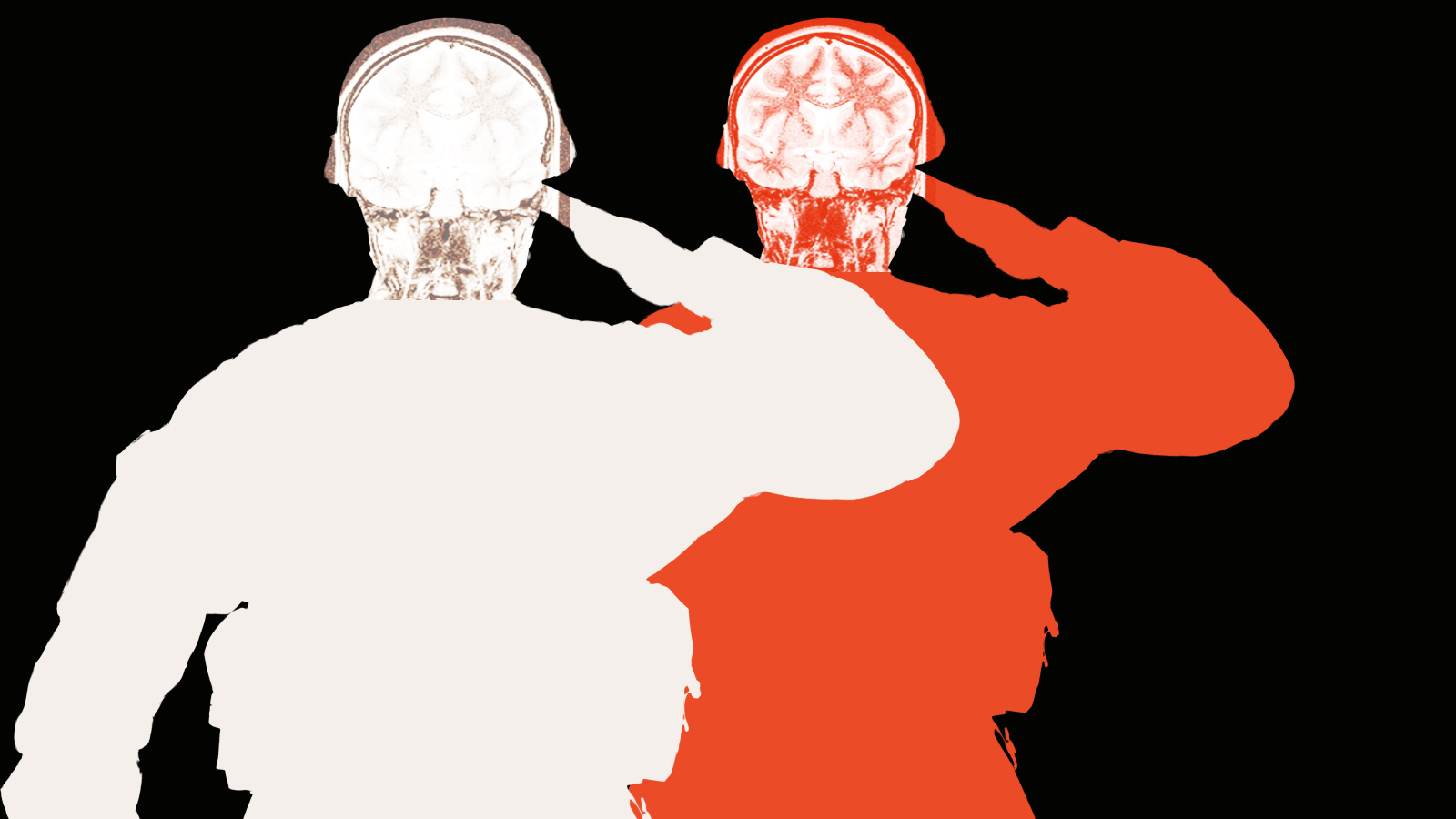
In “Warhead,” neuroscientist and national security adviser Nicholas Wright explains how the brain navigates warfare and why it is our ultimate weapon (and instrument for peace).
Bold megaprojects could turn dry depressions into thriving new hubs of life.
Observations with the Hubble space telescope helped cement dark energy and reveal the Hubble tension. How are these two things so different?
The whole isn’t greater than the sum of its parts; that’s a flaw in our thinking. Non-reductionism requires magic, not merely science.
Welcome to The Nightcrawler — a weekly newsletter from Eric Markowitz covering tech, innovation, and long-term thinking.
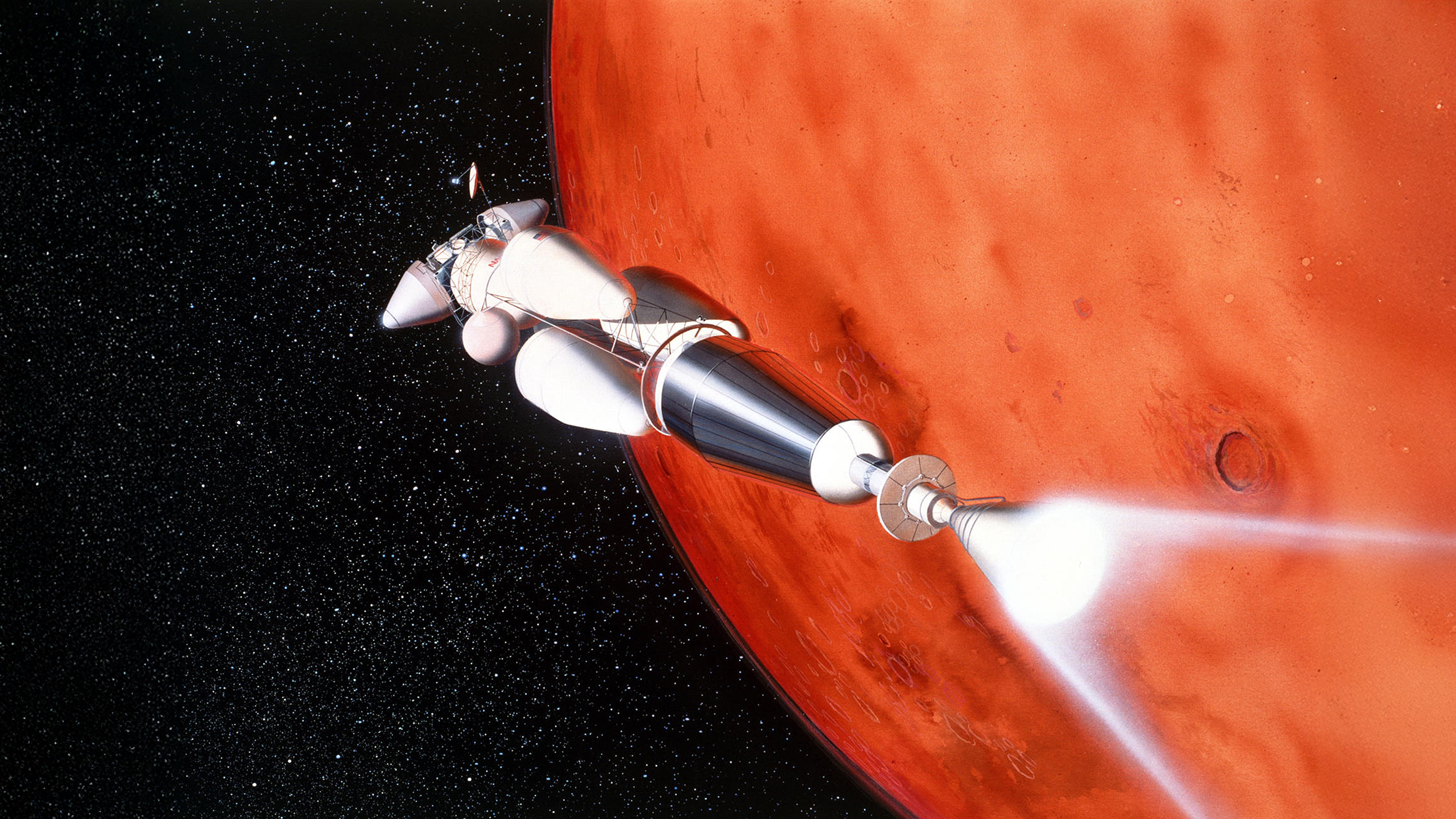
“Think of it like a transcontinental railroad — not the fastest way to move a lot of mass, but certainly the most efficient,” Jared Isaacman said about nuclear electric propulsion.
Getting drunk might be bad for you but good for us.
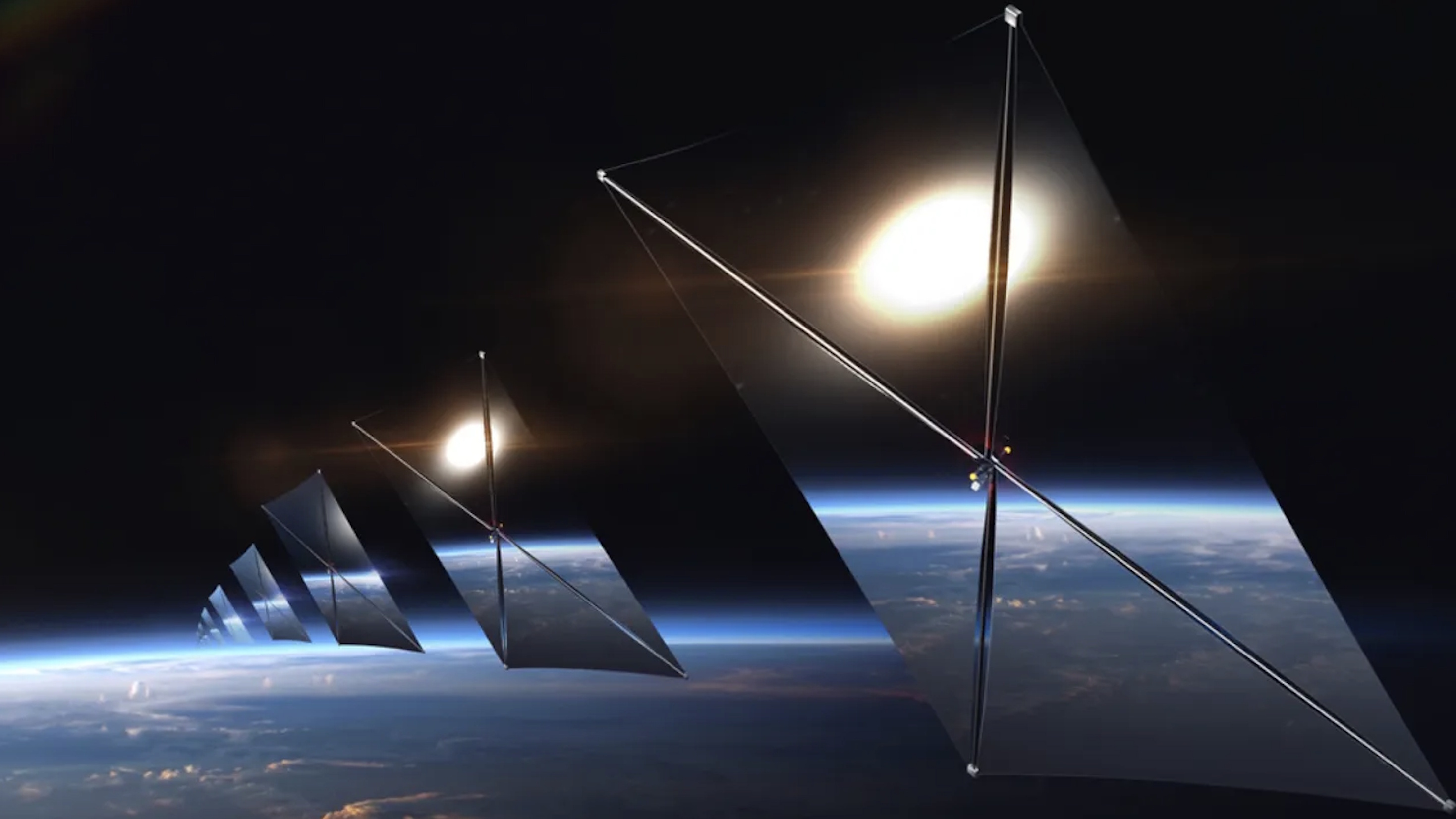
Solar power has the disadvantage that there’s no Sun at night. Satellite startup Reflect Orbital wants to change that, but at what cost?
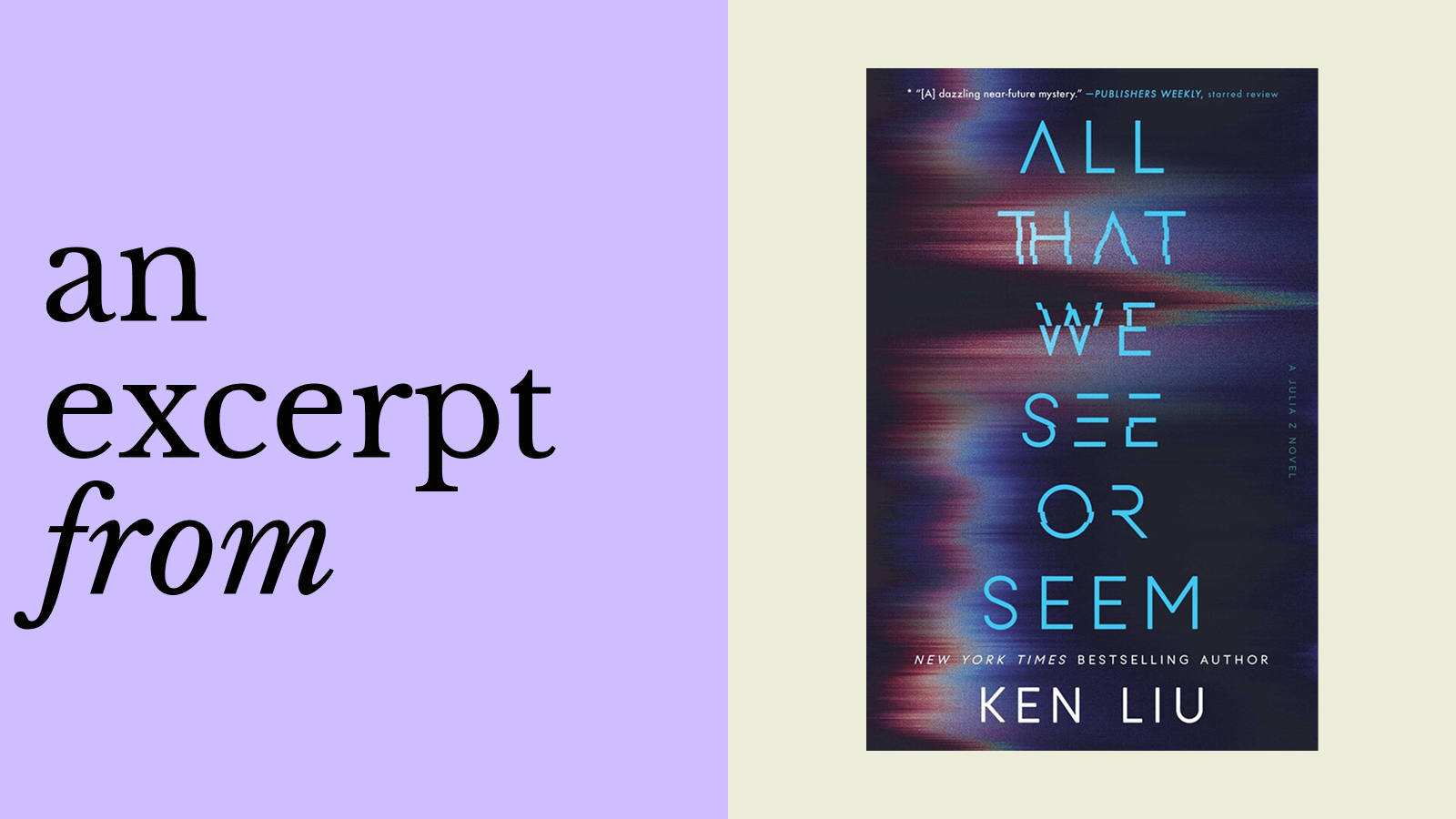
A preview of the latest novel by the Hugo- and Nebula-winning author.
In this excerpt from “Lucky By Design,” Judd Kessler explains how opportunity costs shape our choices and why time is the real price we pay.
Each of these stories rests on a foundation of great ideas that will scare you to death and make you think.
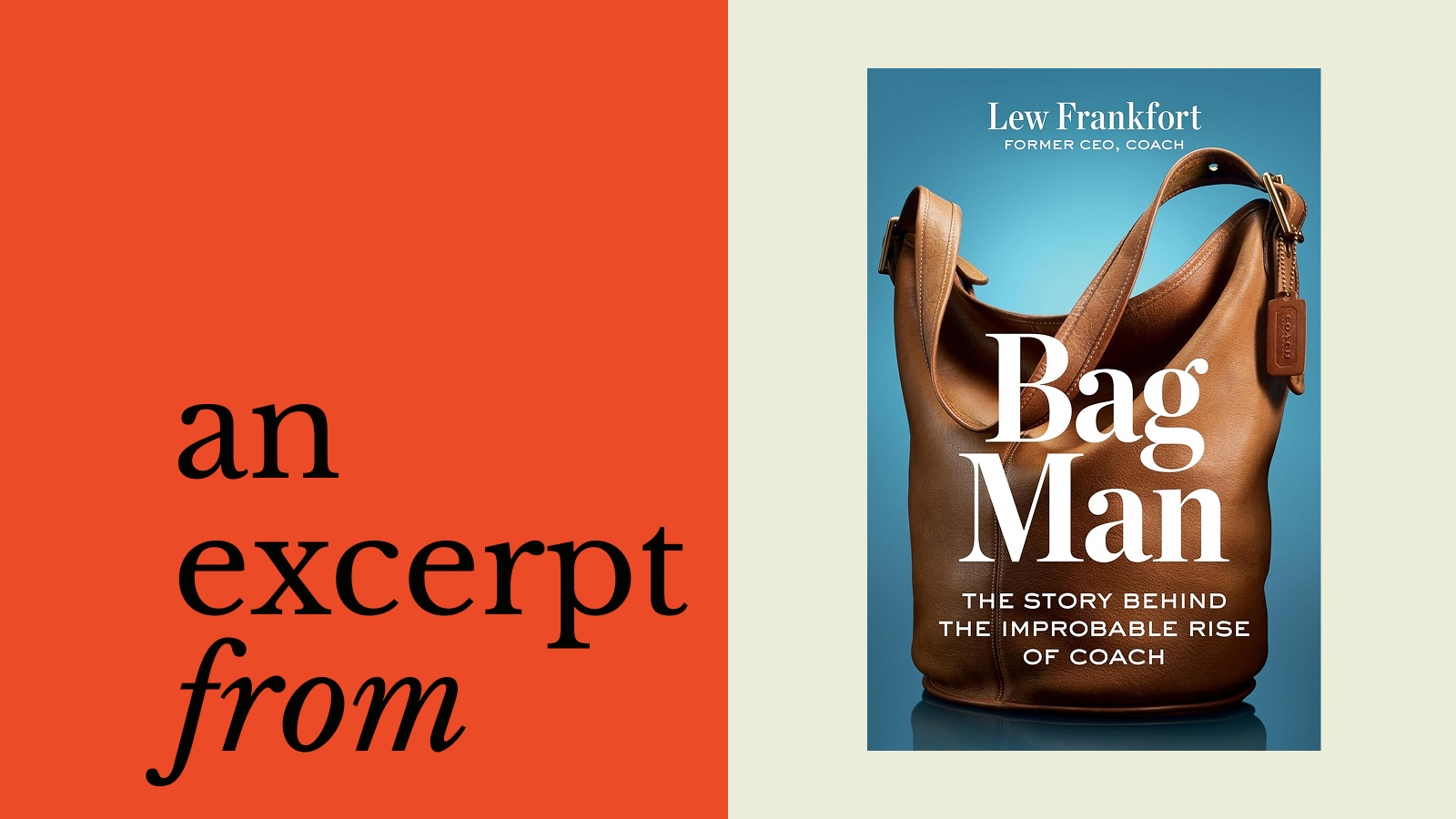
Lew Frankfort — Chairman Emeritus of Coach, Inc. — reveals the surest way for a brand to stand the test of time.
Inflation’s two main criticisms, that it can predict anything and that the “measure problem” remains unsolved, can’t erase its successes.
“What’s happening now has, in fact, been happening since the very invention of language and writing.”
Early warning signs show AI is eating into the entry-level job market — a potential harbinger of things to come.
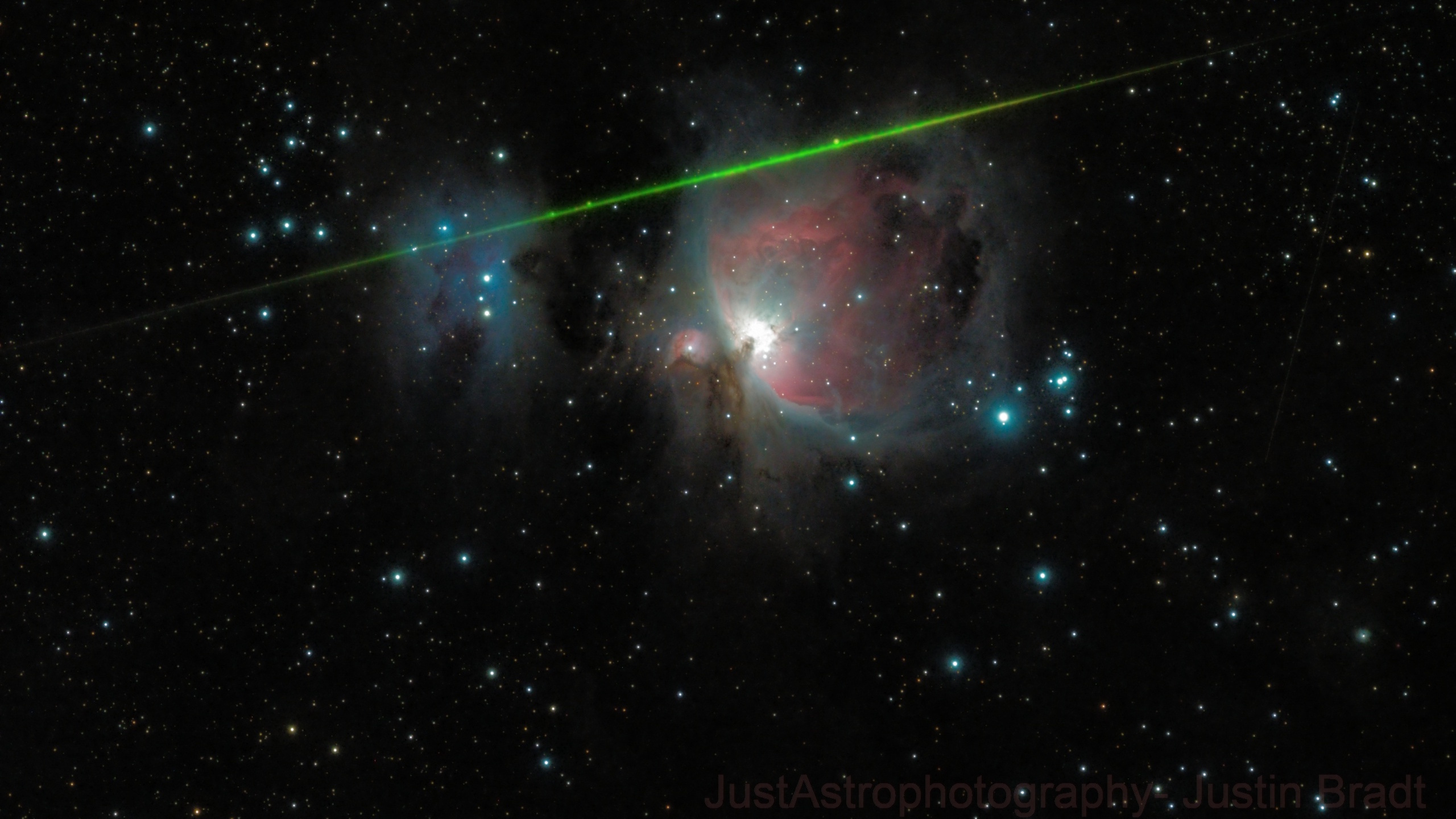
The Orionids meteor shower peaks October 20th/21st here in 2025, coinciding with a new Moon. See the brightest shooting stars of the year!
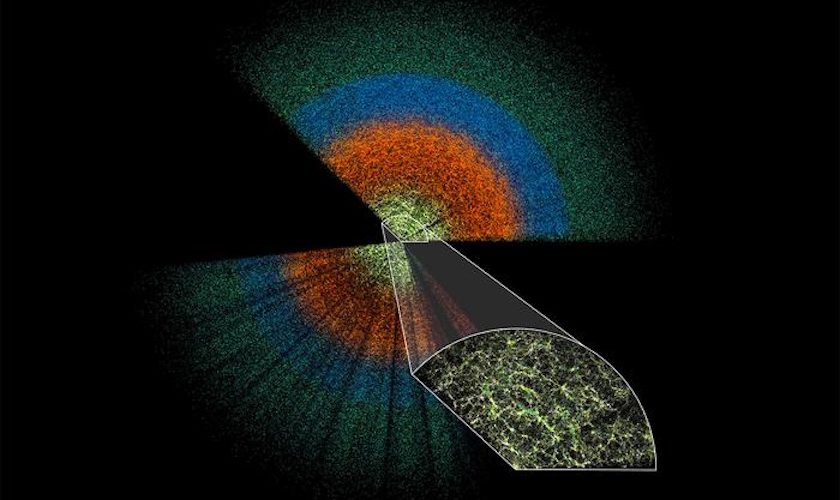
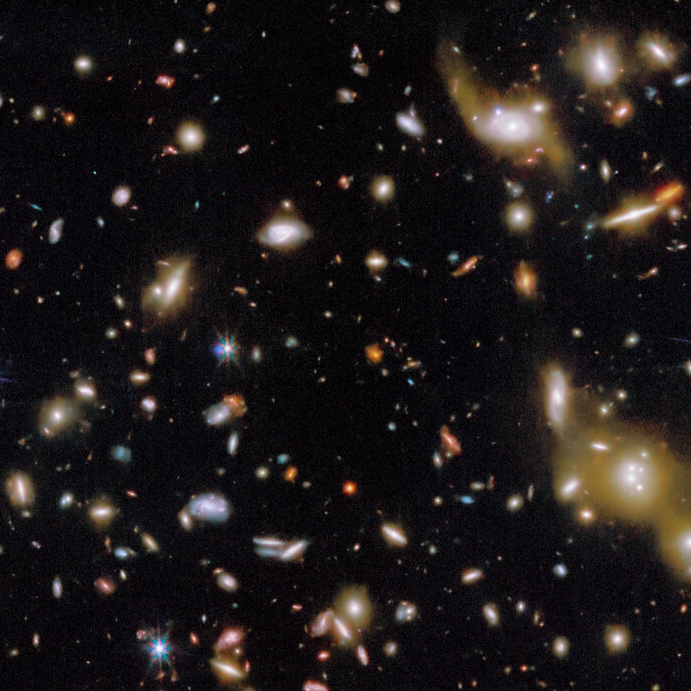
To learn how our Universe grew up, we have to look at large numbers of galaxies at all distances to find out. Good thing we have JWST!
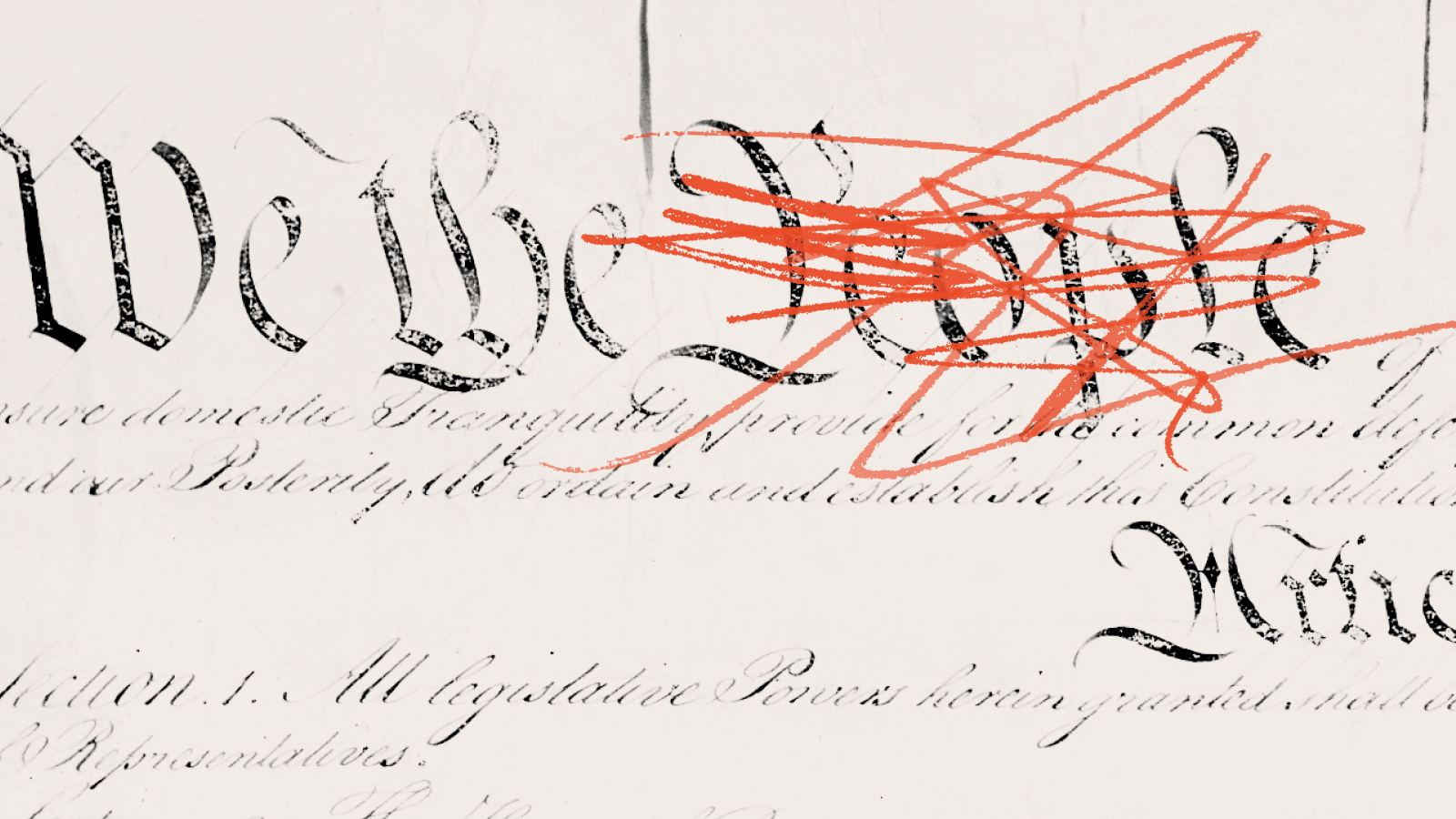
In “We the People,” Harvard historian Jill Lepore examines how the U.S. Constitution became unamendable and its implications for the health of the democracy.
Our Sun only arose after 9.2 billion years of cosmic history: with many stars living and dying first. How many prior generations were there?
Nearly 30 would be “nones” — an amorphous group that spans from zealous atheists to the vaguely spiritual.
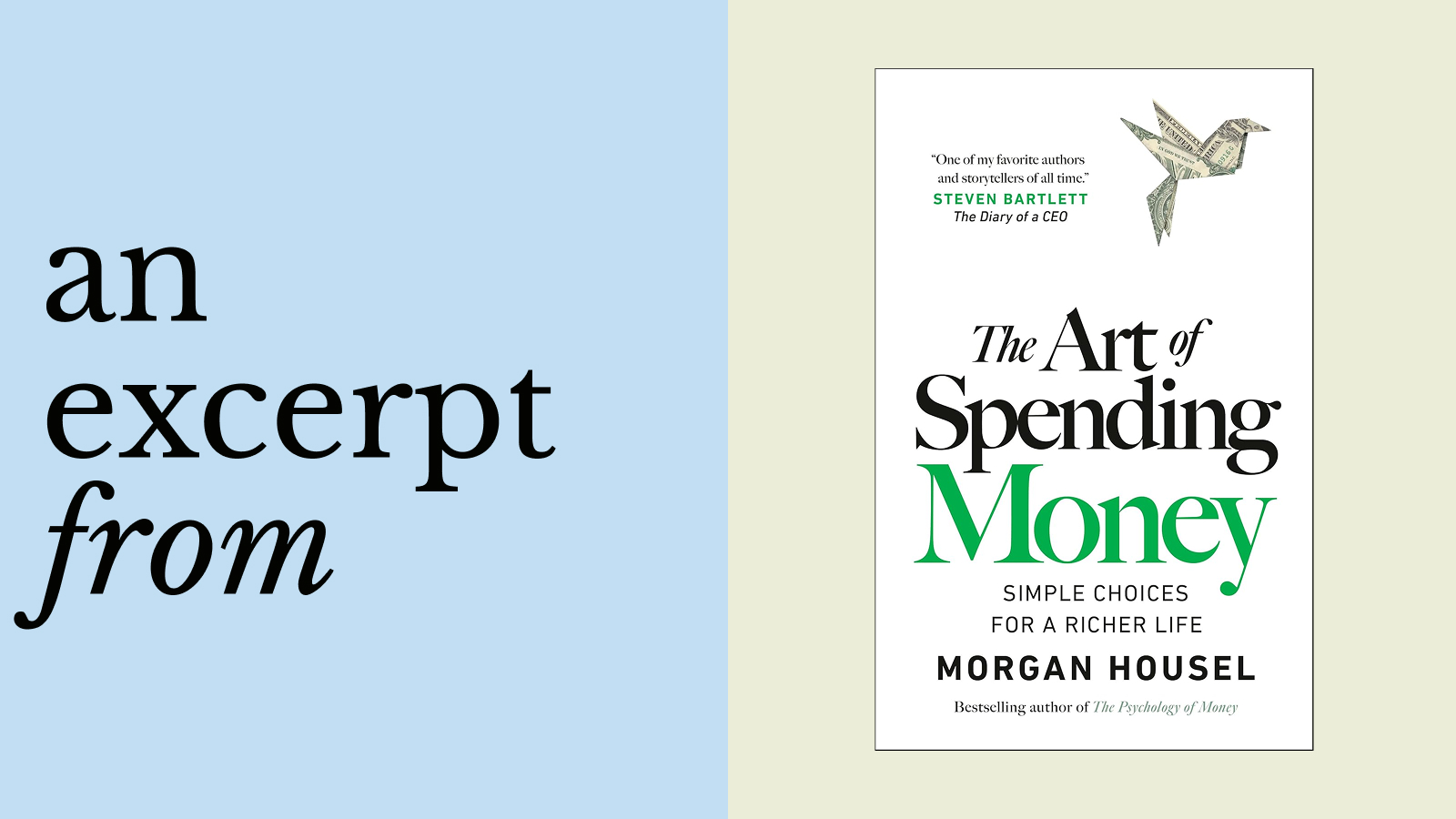
In this excerpt from “The Art of Spending Money,” Morgan Housel lays out the spending and financial habits guaranteed to end in regret.
Welcome to The Nightcrawler — a weekly newsletter from Eric Markowitz covering tech, innovation, and long-term thinking.
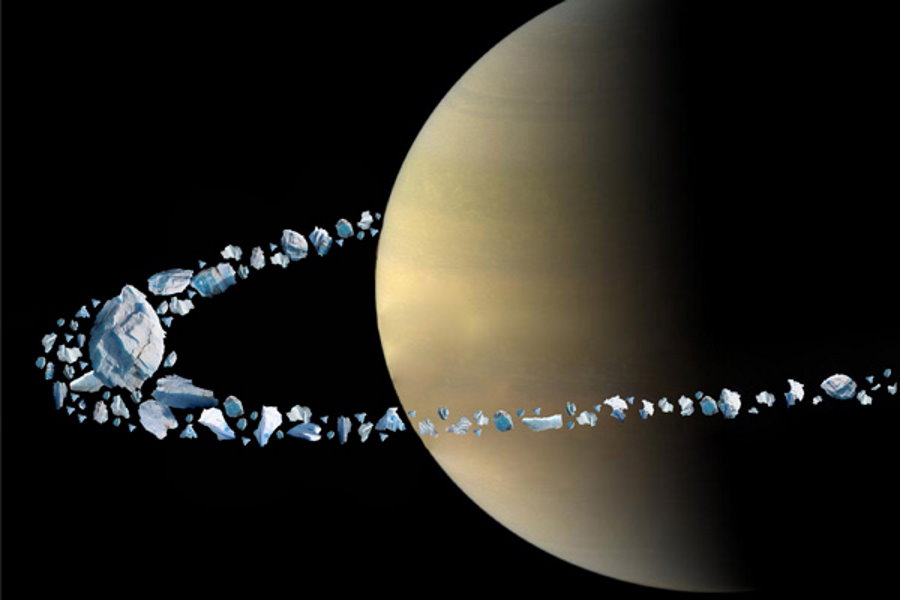
Since the time of Galileo, Saturn’s rings have remained an unexplained mystery. A new idea may have finally solved the longstanding puzzle.
If AI is modeled only on human intelligence, will it inherit only human ways of seeing the world?
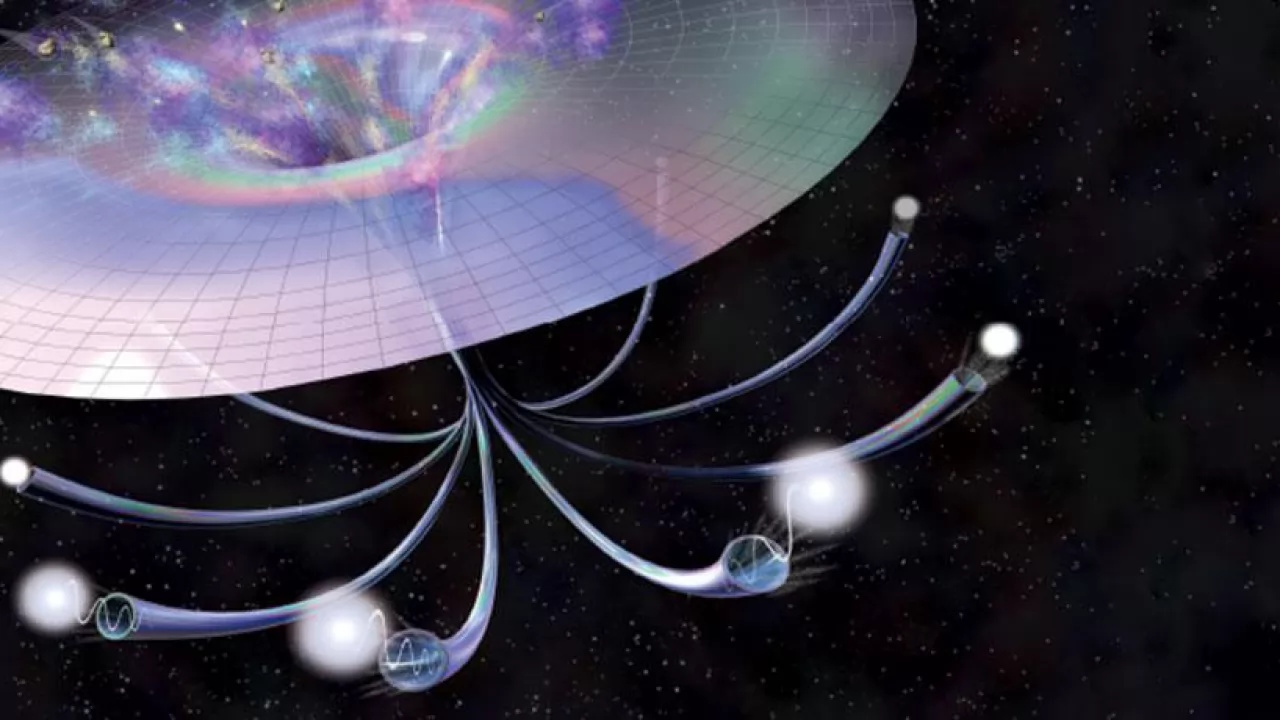
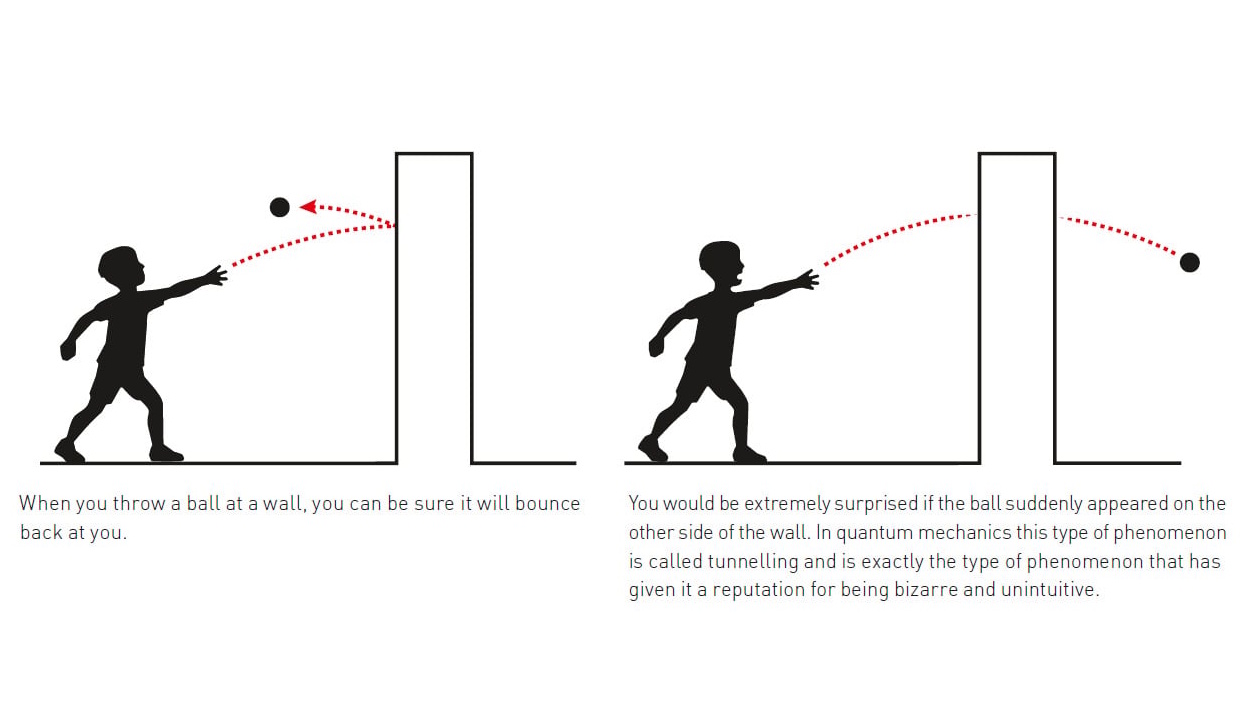
Quantum mechanics was first discovered on small, microscopic scales. 2025’s Nobel Prize brings the quantum and large-scale worlds together.
Companies are pouring resources into AI, yet capability gaps hold employees back from using it effectively.
A conversation with investor and author Alex Morris on what Warren Buffett and Charlie Munger can teach us about focus, discipline, and building a life that lasts.
In this excerpt from “Governing Babel,” John Wihbey explores how AI is reshaping online moderation by offering tools that can help human moderators, but also raises the risk of disinformation and digital chaos.