Surprising Science
All Stories
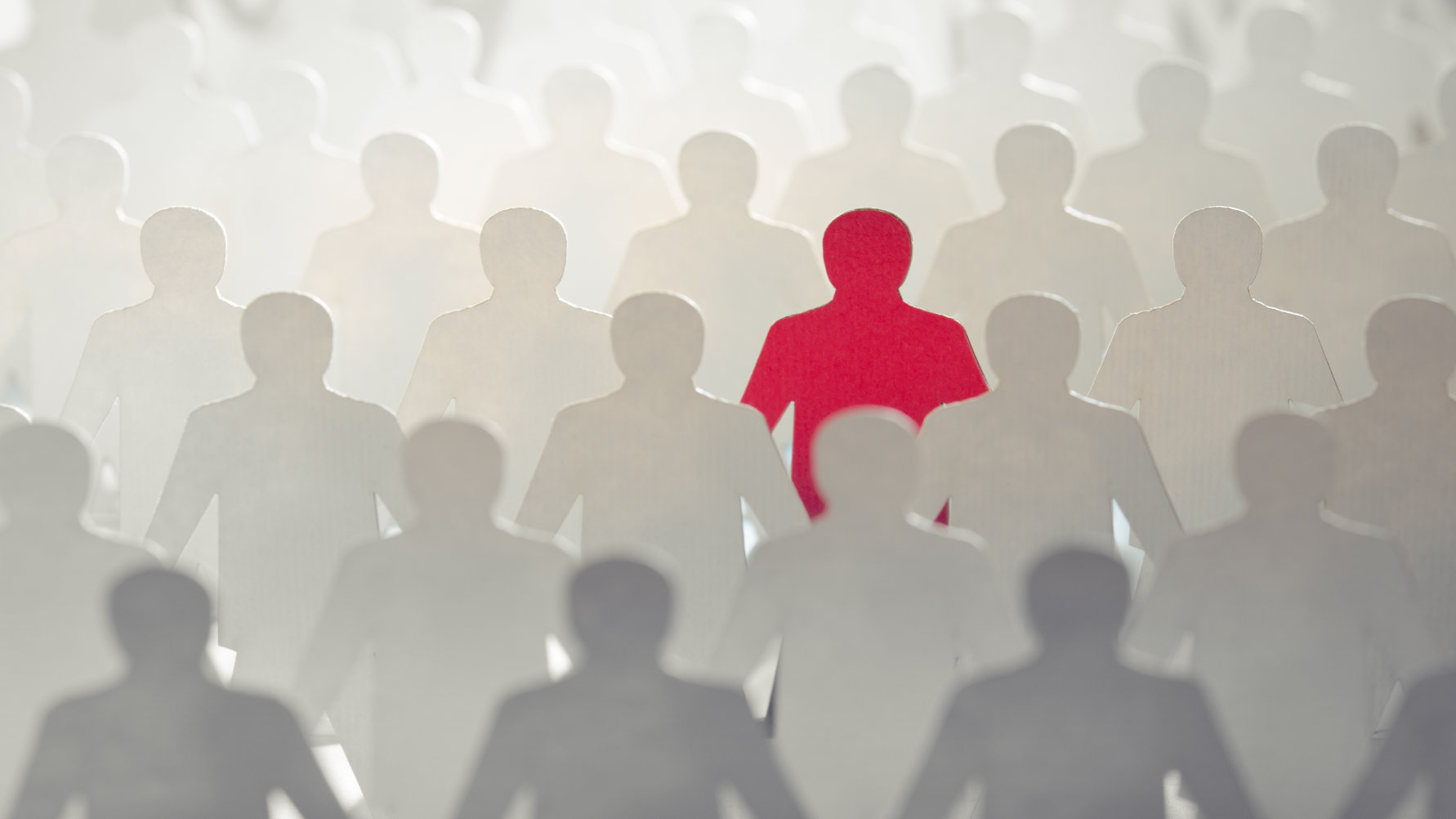
Our desire to conform starts young. Despite our best efforts later on in life, by age two we’re already willing to hide our otherness away from our peers, according to researchers.

A prominent medical professional is calling for the law to further protect children’s health from the risks of secondhand smoke, including appealing to Social Services.
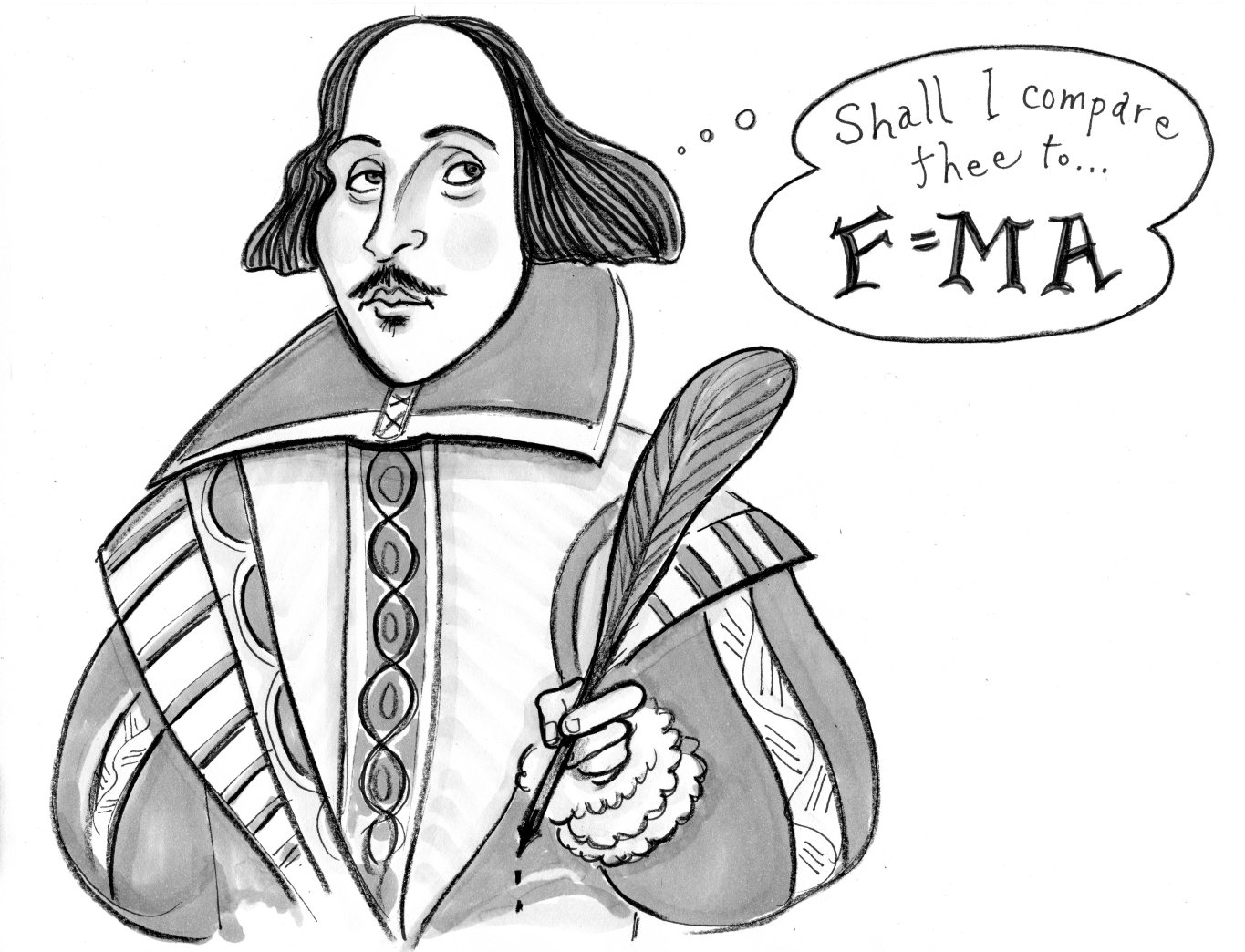
Too many top minds have “positive capability” bias. That label usefully contrasts with Keats’ “negative capability,” a poetic idea that applies to many unpoetic experts. It explains why Shakespeare’s psychology is better than much of the modern “scientific” sort.

A new study has found that there are too many studies. So much that there’s an information decay happening in the minds of researchers.

When parents offer too much praise, their children become narcissistic as a result, believing themselves to be naturally superior to their peers and deserving of special treatment from authority figures.

What false belief is held by 93% of British teachers?

Researchers cast doubt on a widely held belief that a bully must be physically imposing. Their studies reveal aggressive behavior comes first; strength comes as they mature.
Since 2011 state officials have been restricted from using the phrase “climate change” in addition to a list of other terms surrounding environmental issues.
Researchers have been experimenting with oxytocin to find it has a range of beneficial effects — one of the most recent being in calorie control.

A newly released series of anti-nuclear videos demonstrates just how blind to the evidence our underlying values can make us… and how that blindness can make it harder to solve the huge and complex problems facing modern society.

Remember to set your clocks tonight if you live somewhere that observes daylight saving time. In the meantime, we can question why so much of the world sticks with outdated Imperial Time.
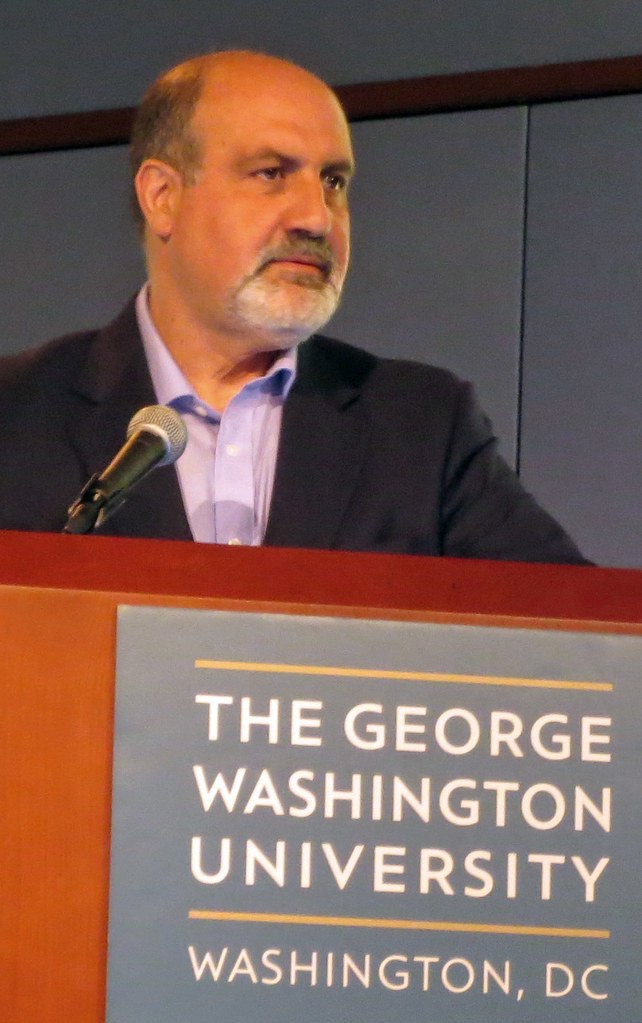
On a wide range of contentious issues, academics and researchers publish work that pretends to offer objective evidence, but which on closer inspection turns out to be advocacy masquerading behind intellectualisms, scientific methodology, footnotes and citations, and erudite language. A recent example is a paper by Nassim Nicholas Taleb and colleagues arguing that genetically modified foods pose such a risk to life on Earth that agricultural biotechnology should be banned under a strict application of the Precautionary Principle.
Two psychologists and a composer have created music specially configured to arouse interest in cats. You can listen to the experiments, called Cat Ballads and Kitty Ditties.
Many people, including a majority of school teachers, harbor important false beliefs about the brain. Are you one of them?
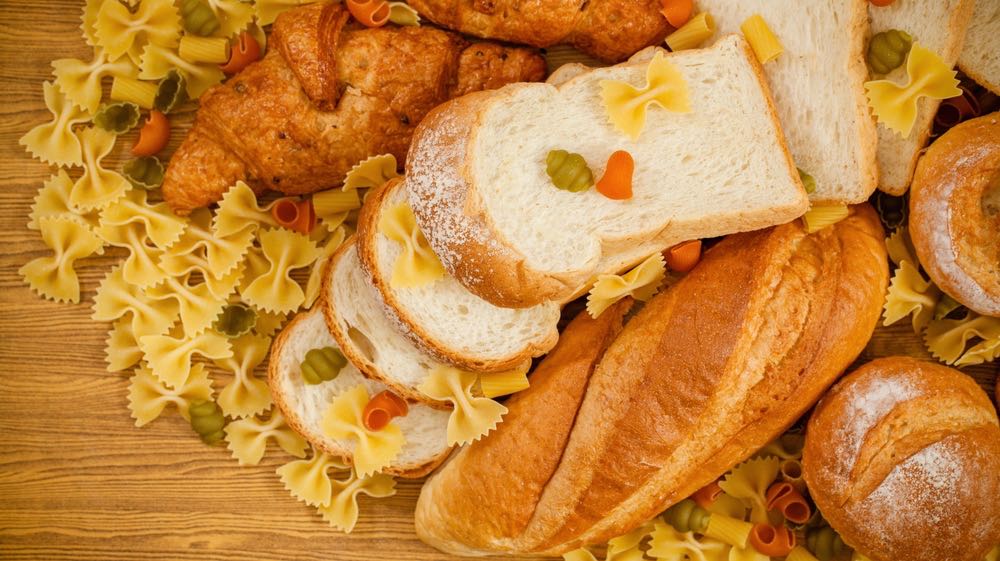
A disease still in the initial stages of investigation causes some individuals to literally get drunk from eating normal amounts of carbohydrates.

How do you erase something that has gone viral, like a meme? The idea pits our right to privacy against a community that’s hungry to share. So, how do we even begin to police it?
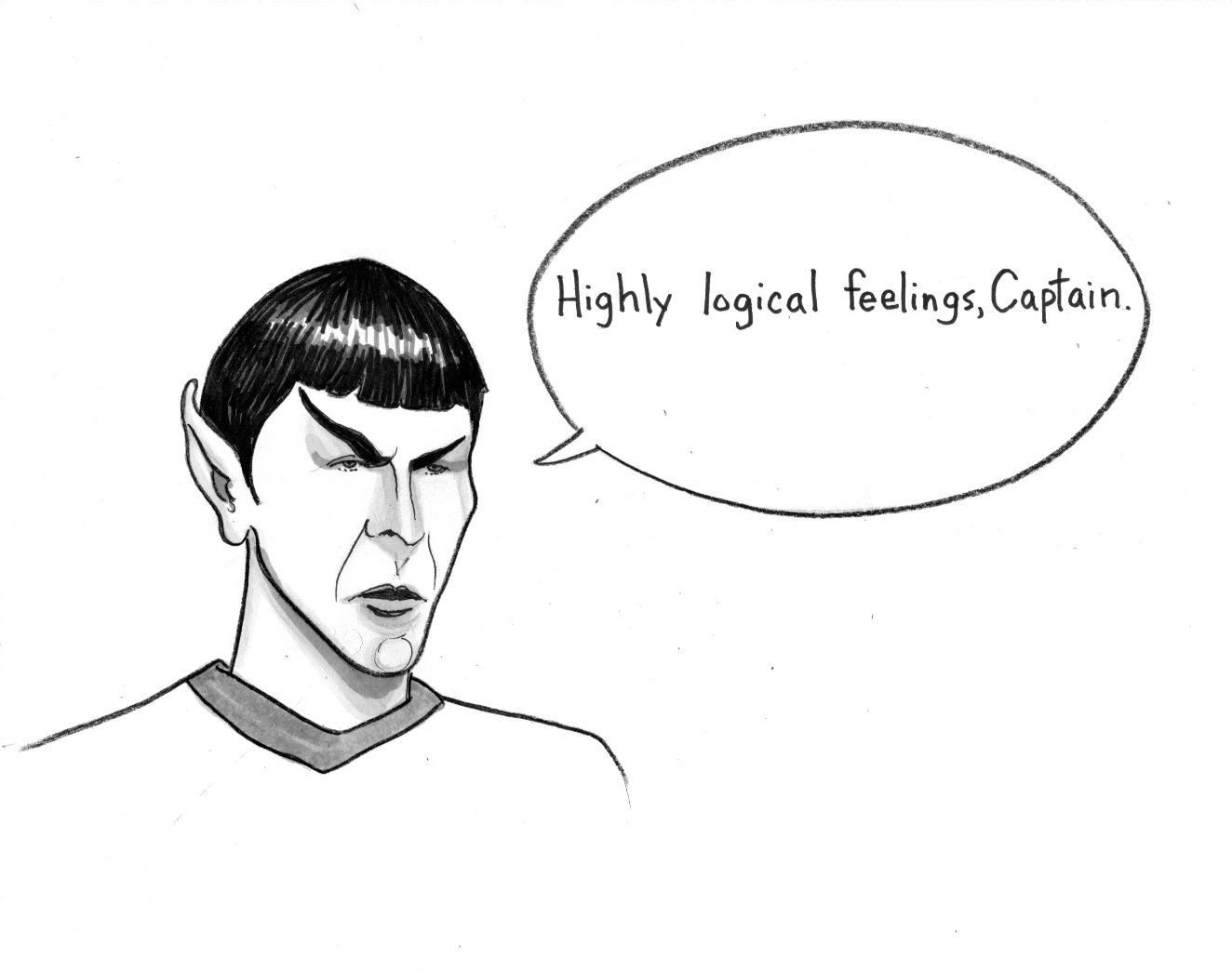
Star Trek’s logic illustrates weaknesses in pop psychology’s models of emotions, intuition, logic, and morality. The best current cognitive science on this is well described by Daniel Kahneman. Let’s “Kahnemanize” Kirk and Spock:

Everest is presenting a new challenge to man: how to dispose of human feces on the world’s tallest mountain.

Some consumers are hesitant to adopt electric-powered vehicles out of fear that they will become stranded — something researchers are calling “range anxiety.”

Most people have their doctor’s ear for about 10 minutes during a routine examination. It’s vital to prepare a strategy that will get most if not all of your questions answered.

It’s difficult to make friends out in the “real world.” But some people have managed to forge those special bonds through hook-up apps, like Grindr and Tinder.

Researchers confirm the best location to hunker down during a zombie outbreak: go where people aren’t.
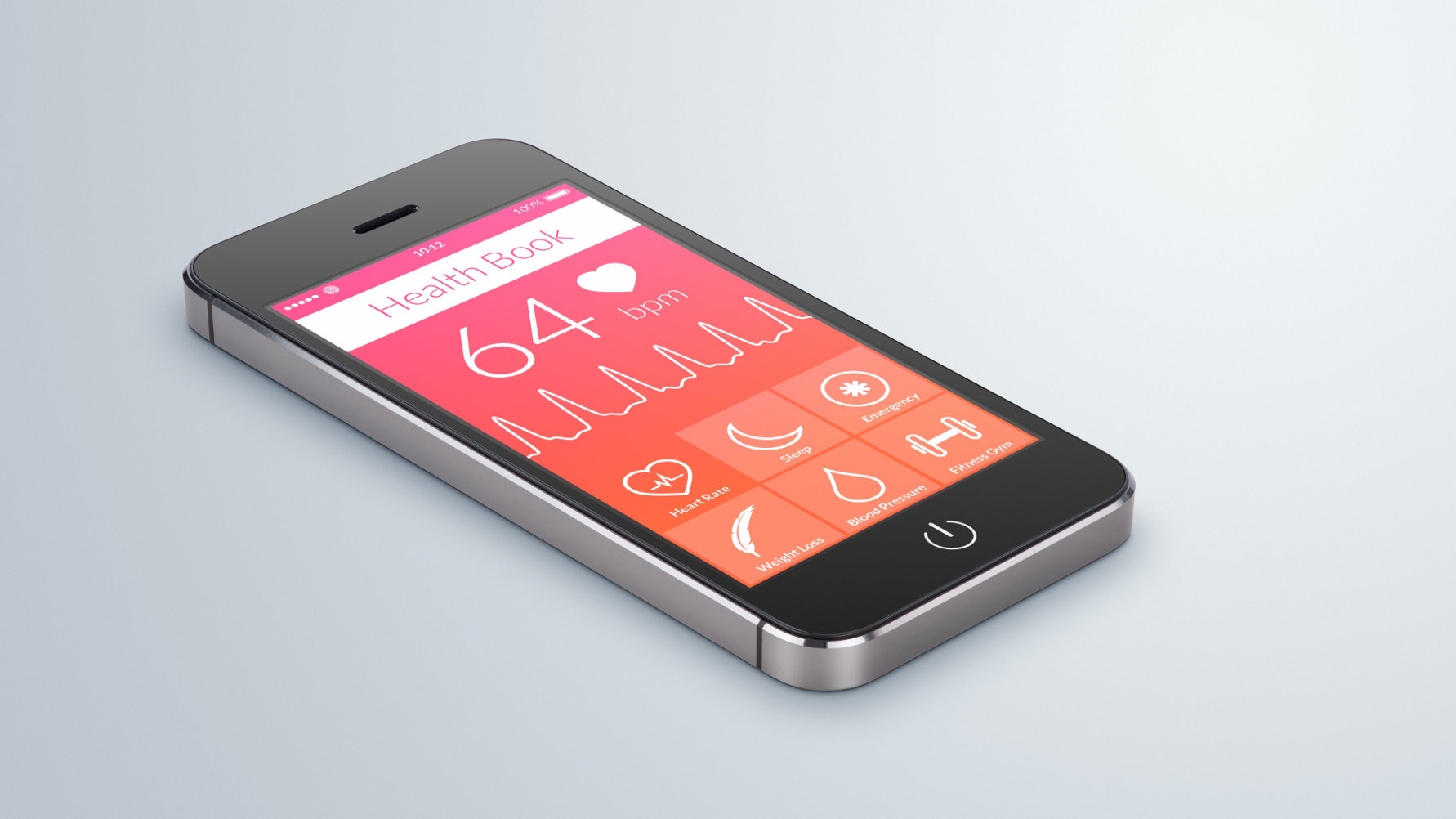
Health apps aren’t regulated by the medical industry and there’s little in the way of standardization, making them unreliable and a risky investment for some consumers.

Psychologists who were becoming bored with the internet by the late ’90s only had to wait a few more years before the ultimate Petri dish of human thought and behavior emerged.
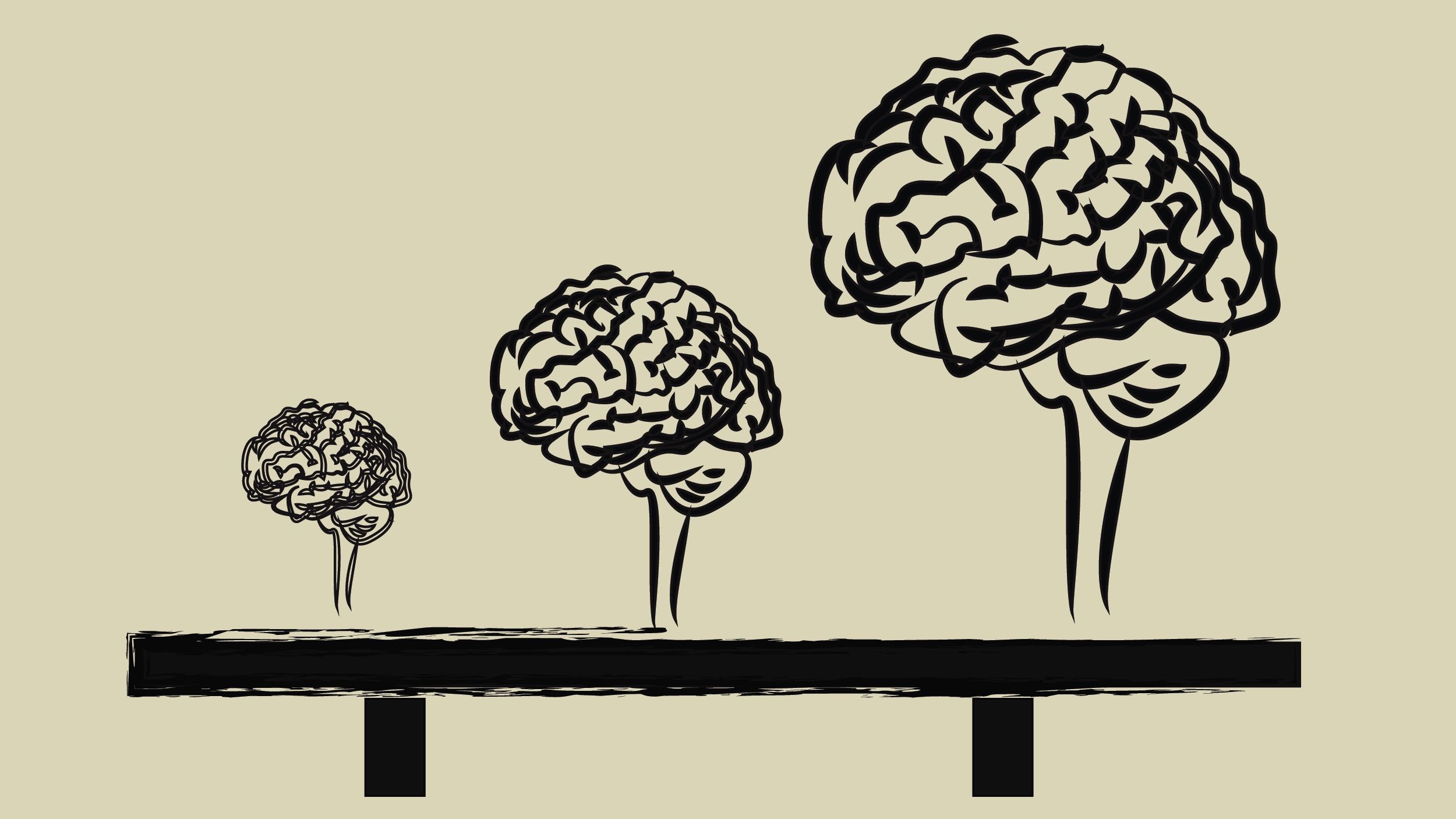
A specific gene present in human stem cells appears to be responsible for the evolutionary increase in human brain size.

When people are reminded of God, they are more ready to engage in risky behavior, but not morally wrongful behavior.

Crying, like blushing, is an uncontrollable emotional response. So, how can we keep from shedding tears during inconvenient times? A little physical pain.
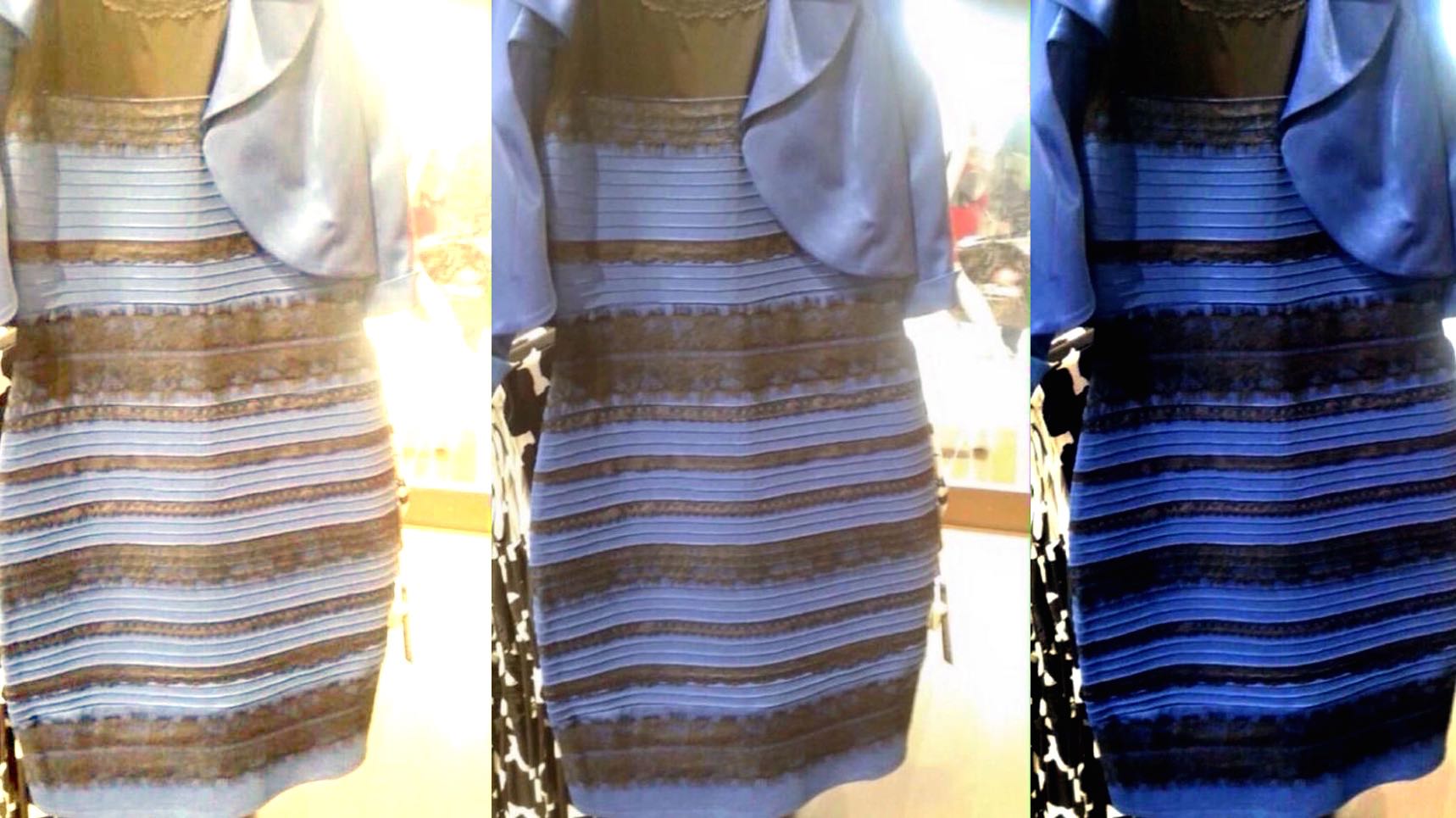
The snobbery wars have erupted over photos of a sometimes blue-black, sometimes white-gold dress.

Slapping on mascara to get those luscious lashes wasn’t nature’s intention. Your lashes serve a purpose, and their length shouldn’t be tampered with.
Introduction to the Optimized Brain, with Steven Kotler Flow is technically defined as an optimal state of consciousness where we feel our best and we perform our best. Steven Kotler […]