Technology & Innovation
All Stories
Two years after the onset of the financial crisis, the stock market is recovering and Wall Street’s moneyed elite are spending again, sometimes with a familiar swagger.
Our national myth of the heroic entrepreneur is dangerous, says Esther Dyson. Encouraging everyone to strike out on their own robs industry of effective middle management.
Tough problems often demand radical solutions. We should give serious consideration to providing free college and trade school education to all, says Dr. C. Alonzo Peters.
In the next phase of the world economic crisis, the euro will either consolidate or collapse. And with it, Europe faces the looming prospect of social unrest, says the New Statesman.
From the standpoint of innovation, entrepreneurs may be changing the way they are thinking—they are becoming less ambitious, says Sean Parker, creator of Napster and Facebook.
Certain groups of people, such as gamblers, smokers and the obese are portrayed a drain on the economy, but Forbes’ Tim Parker says they are a bottomless money pit.
The Web is critical not merely to the digital revolution but to our continued prosperity—and even our liberty. Like democracy itself, it needs defending.

Asymmetric information creates a moral hazard problem if one party in a transaction cannot observe the (possibly bad) behaviour of the other party. It was moral hazard that caused the […]

While there is little doubt that regulatory failure played an important role in the recent economic crisis, the solution should not be to walk away and leave systemic risk in place.
Much of what investment bankers do is socially worthless. The New Yorker’s John Cassidy says banks modern iteration is far removed from its historical role of funding business.
High food prices might be considered a good thing from the standpoint of overall global economic efficiency, says Richard Posner on the current increase in global food prices.
Nowhere did the imaginations of capitalist utopians run so rampant, and nowhere did they receive a more stinging rebuke than in Ireland, says Ross Douthat.
Money can’t buy you happiness—or social skills, apparently. A new psychology study finds those who are poor are better at empathy than the wealthy.
When economists advise the government, their vision may be clouded by their own financial interests, say two University of Massachusetts professors.
A healthy “attention span” is just another ineffable quality to remember having, to believe you’ve lost, to worry about your kids lacking, to blame the culture for destroying.
Digital forces are threatening to weaken, or even destroy, the traditional basis, role and funding of the press. But what are the virtues it brings?
The US military has issued a warning that social networking sites could endanger the lives of troops in Iraq and Afghanistan because of new features that reveal the user’s location.
Capitalism has solved the need to keep wages low and consumption high by bringing future consumption into the present by dramatic extensions of credit.

Whole Foods CEO John Mackey thinks companies that pay competitive wages and focus on “higher purpose” in customer interactions will ultimately create the most value for their shareholders.
Google has combined the powers of fashion nerds and computer nerds to create an algorithmic personal shopper that isn’t lying when it says something looks great on you.
Had all the corporate life you can stand? Freelancing is a very real option. If striking out on your own sounds scary, Forbes offers some advice for becoming self-employed.
A famously global company, Walmat is going local by selling produce grown at regional farms. The sustainable business strategy is aimed at the company’s bottom line.
With a Rhodes scholarship and Ph.D. in political science from Oxford, Rachel Maddow may be the brainiest TV news host yet to defend opinion-based journalism.
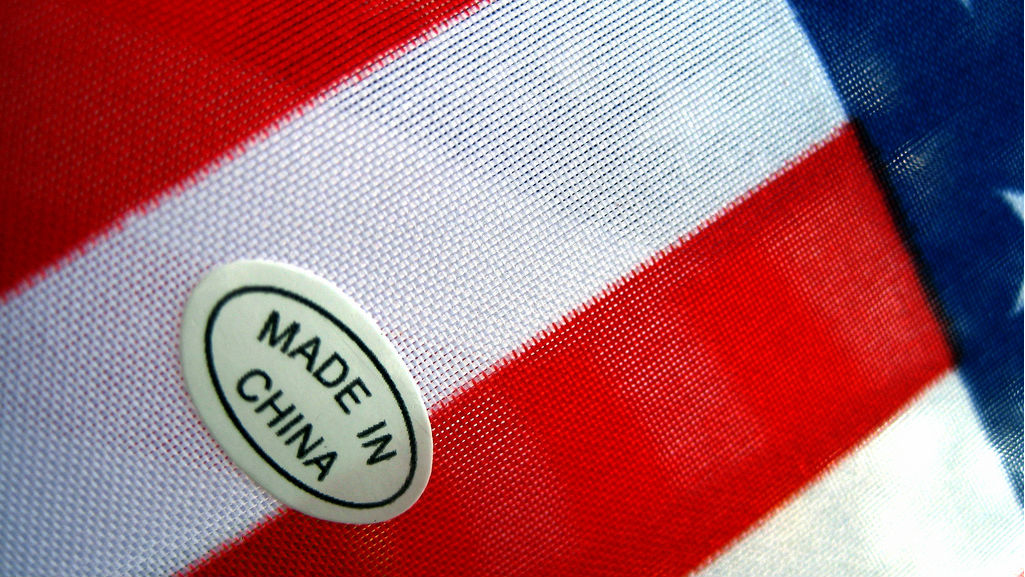
“China does not have to impose this model on anyone,” says Cambridge research fellow Stefan Halper. “It is admired and envied by millions of people in the world beyond the West.”
‘Surrender to the Terrorists, Then Strangle the Economy with Taxes’ is the tongue-in-cheek name for a serious plan to create a budget surplus in the U.S. by 2015.
Though the Netherlands is consistently ranked in the top five countries for women, less than 10 percent of women here are employed full-time. And they like it this way
The man who coined the term ‘net neutrality’ (Columbia law professor Tim Wu) now says that Apple is the company that most endangers the freedom of the Internet.
In the past year, I’ve written roughly 5,000 pages of scholarly literature, most on very tight deadlines. But you won’t find my name on a single paper.

In the future, we may manufacture the products that we used to buy at the store right in our very own homes. We may also find ourselves buying products that […]