


Leadership isn’t about mastering a fixed set of skills, but creating the meaningful, human-centered experiences that inspire others.

Marcus Buckingham is a researcher of high performance at work, a co-creator of StrengthsFinder and StandOut, and the author of Design Love In: How to Unleash the Most Powerful Force[…]

Cities and organizations alike risk becoming highly efficient — but indistinguishable — unless leaders actively preserve space for imagination and deviation.

Jeff DeGraff — the “Dean of Innovation” — is an author, speaker, and advisor to Fortune 500 companies and mission-driven organizations worldwide. He’s the CEO and Founder of Innovatrium, Founder[…]

Rubin joins Big Think for a chat about her one-minute rule, why self-knowledge is key to a good life, and more.

Lucy Handley is a freelance business and lifestyle journalist. She is a regular contributor to CNBC and has written for The Guardian, Time, National Geographic, and more. She has also ghostwritten[…]

Why Netflix adopted the “No Brilliant Asshole” rule — and how to make sure bullies don’t destroy teams.

Without authenticity, curiosity, and risk-taking we get stuck in the mud — here’s how to make space for resilient progress.

No matter your company role, the road to a happy and robust team culture can be built on unconditional regard for others.

Taking the floor is all about connecting authentically with your audience. Here’s how.

DE&I has come under fire — but our leaders should still embed allyship deep within company culture. Here’s a plan.

When high-anxiety situations arise in the workplace, we tend to react by fighting, fleeing, freezing, or fawning — but there’s a hidden fifth option.

Across a variety of industries, trust and “upside-down management” have paid dividends.

30 years ago Jim VandeHei — co-founder and CEO of Axios — got leadership feedback all wrong. Now, he has the ideal blueprint so you can get it right.

Too many companies fail to recognize that “the deepest principle in human nature is the craving to be appreciated” — but the solution is easy.
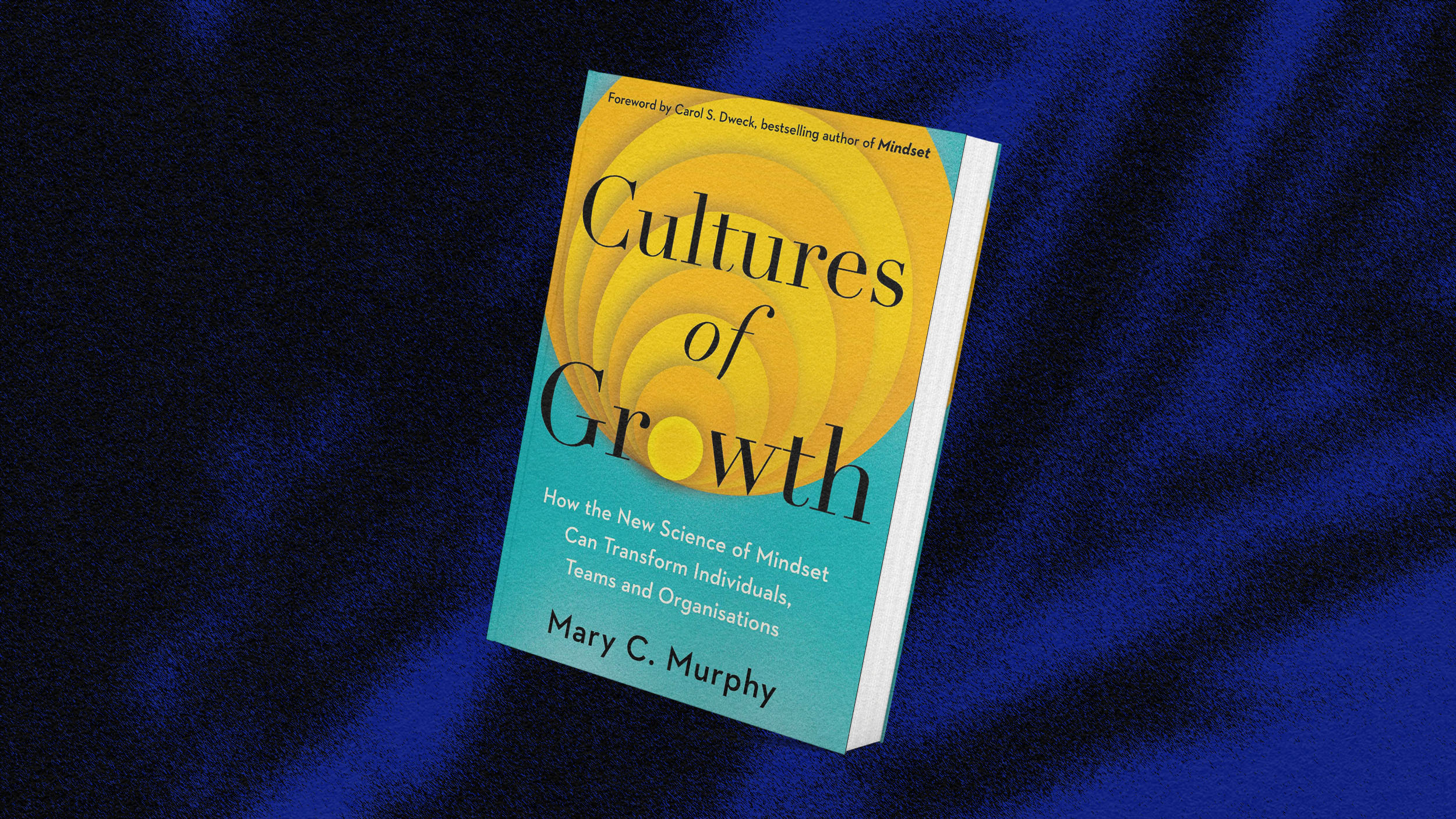
Psychologist Mary C. Murphy explains why growth-mindset teams outperform those centered around a lone genius.