Why Einstein called awe the fundamental emotionIf you’ve gotten goosebumps when hearing a story about a stranger’s selfless heroism, or you’ve felt your chest swell at...
How facing adversity can help you live a deeper, more meaningful life“There would be something very, very empty and meaningless about [a] sort of life with no problems.”
Can you measure love? 3 experts discussFrom neuroscience to philosophy, experts reveal why compassion may be the most important human skill we have.
How accepting impermanence can end the struggle to “fix” your life“The idea is that we move from a place of wanting the world to conform to what we like [towards]...
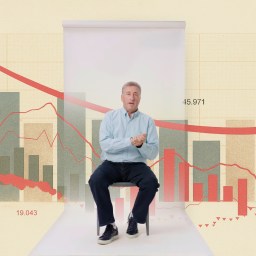
How your cognitive biases lead to terrible investing behaviors“Let me walk you through the biggest traps that you should be aware of that are a danger to your...
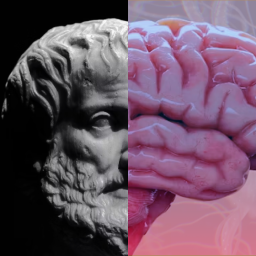
Is free will a fallacy? Science and philosophy explain.Philosophy asks if free will is real. Neuroscience reveals why the answer is more complicated than we expected.
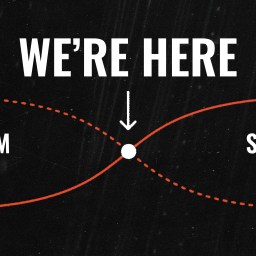
Why 2025 is the single most pivotal year in our lifetime"We're living in an extraordinary moment in history. We are at a moment here in 2025 where we have world...
Even AI is self-censoring. Here’s why that matters.If the people controlling AI are biased, the output will also be. Free speech scholar Jacob Mchangama makes the case...
Can voters really predict who will be a good leader? Malcolm Gladwell joins Big Think Live to discuss this how lotteries could, in theory, distribute leadership more effectively, from government elections, college admissions, and grant applications.
In this live stream, you'll learn:
How Malcolm Gladwell thinks through the programming for his podcast Revisionist History, and how the coronavirus pandemic affected the show
Why the premise that voters can predict who will be a good leader may be a poor one
How a lottery system might affect government elections, college admissions, and grant applications—in theory
Why the distinction between holding office and running for office is key
About the storytelling value that can be derived from deliberately leaving questions open ended
+ get Gladwell's take on fake news and discover the one book her believes every student should read