
Test Special Issue

Game Change

Do elite athletes really make elite employees?

Sports, we tend to assume, offer a sharp-edged reflection of business life in microcosm — leadership under pressure, the winning mentality, valuable lessons drawn from loss. It’s all there. Just kick back with a beer and a pizza and watch your pathway to workplace success unfold on game day. Well, it turns out that the connections are often far more nuanced than we might have presumed. Do elite athletes really make elite employees? What’s the connection between Swedish pragmatics in soccer and a thriving startup culture? Have you factored in the difference between “wicked” and “kind” environments (and what does that even mean)? We investigate all of these pivotal tangents, and much more, in this Big Think special collection of essays, interviews, and curated book excerpts. Forget everything you’ve been told about the synergies between sports and business. It’s time to rewrite the rules.
Blue background with the words "Game Change" in white, surrounded by strategic game symbols and graphs in the background.
Presented by
John Templeton Foundation
A sequence of six yellow-gold spheres illustrates stages of cell division against a black background.
43mins
"If we're related to every living thing on the planet, do we not have a special responsibility for every living thing on this planet? They are really all our relatives."
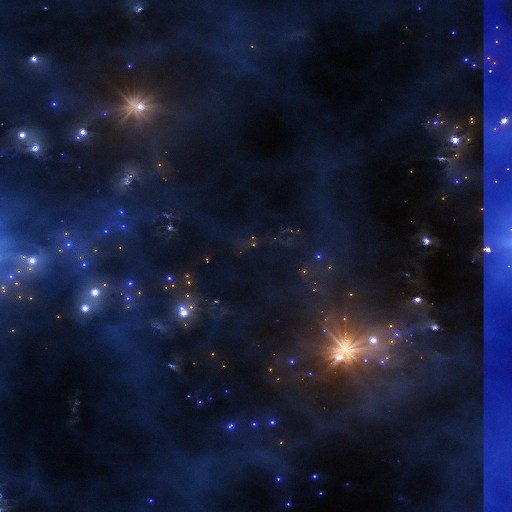
An artist's impression of a cluster of stars.
If the Universe is 13.8 billion years old today, but different ages the farther we look back, what does it mean for a star to be the first?
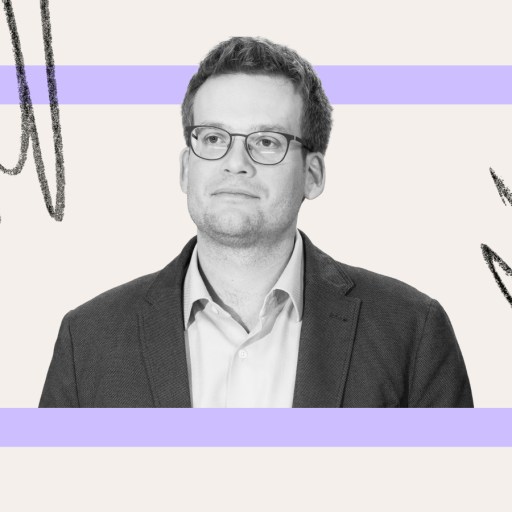
A man in glasses and a suit jacket, resembling John Green, stands in front of a light background with a purple rectangle and abstract black lines.
John Green opens up about his struggle to remain hopeful while writing about suffering and injustice.
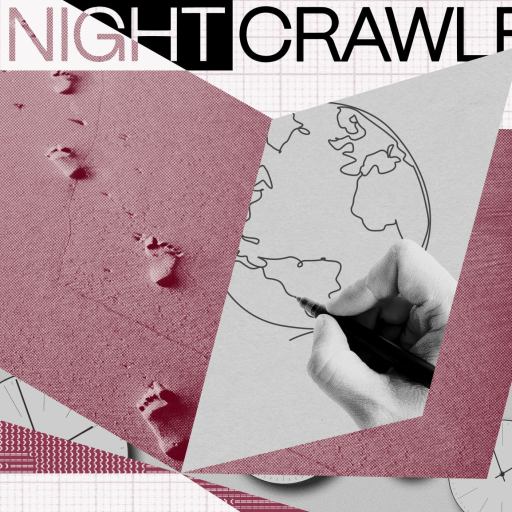
Collage with clocks, footprints in sand, a hand drawing a world map, binary code, and the text "The Nightcrawler" at the top—an evocative piece rethinking civilization and our journey through time.
Welcome to The Nightcrawler — a weekly newsletter from Eric Markowitz covering tech, innovation, and long-term thinking.
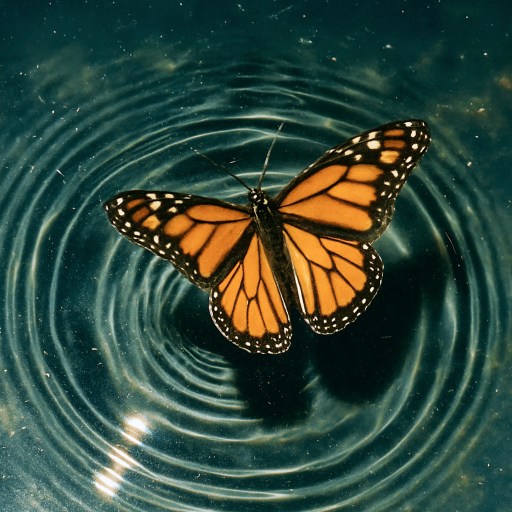
A monarch butterfly with orange and black wings rests on water, creating a ripple pattern around it.
5mins
“When you think about this interconnection of all these tiny causes and effects which add up to the way the world unfolds, it becomes impossible to imagine that we have complete control.”
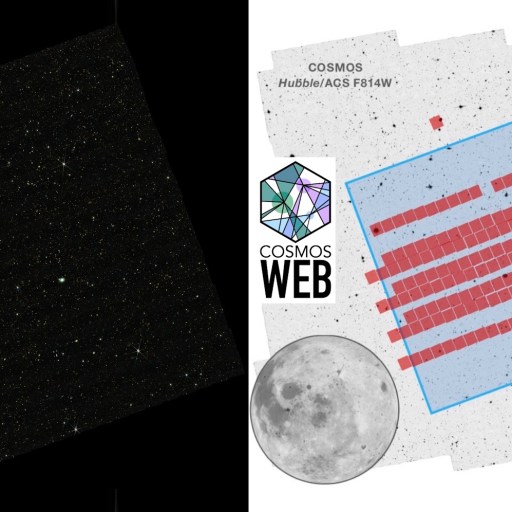
A split image shows a star field on the left and a COSMOS-Web survey area diagram on the right, with labeled NIRCam and MIRI footprints alongside the moon for scale, highlighting galaxies explored by JWST science.
The COSMOS-Web has just finalized their release of their full field: larger and deeper than any other JWST program. Here's what's inside.
Blurred image of people in white robes spinning in a circular motion on a wooden floor, creating a sense of movement and flow.
The child has no control at all and the adult tries to control too much. But there is a third way.
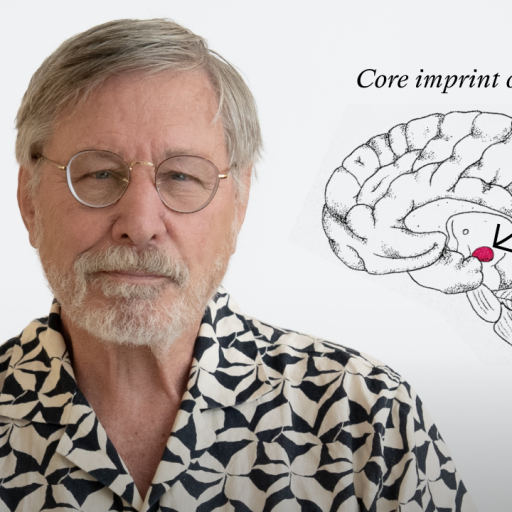
An older man with glasses stands next to a diagram of a brain highlighting the “core imprint of trauma” with a red dot and an arrow.
6mins
Psychiatrist Dr. Bessel van der Kolk discusses key methods for rewiring the brain, kickstarting the healing process, and opening your mind to new perspectives.
Unlikely Collaborators
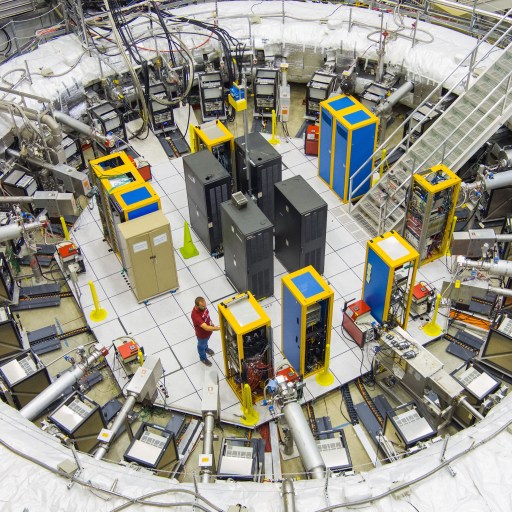
A large circular particle accelerator laboratory with various machines, cables, and equipment; two people are working near the center on experiments related to the muon g-2 anomaly.
When theory and experiment disagree, it could mean new physics. This time, they solved the muon g-2 puzzle, and saved the Standard Model.
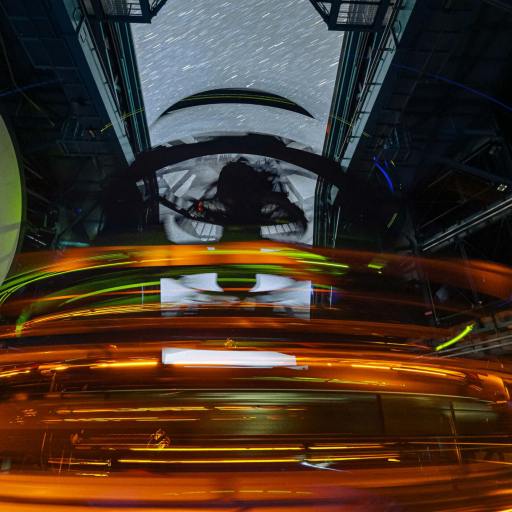
Interior view of a large observatory telescope in operation at night, with orange light trails and a starry sky visible through the open roof.
The Vera C. Rubin Observatory in Chile will image the southern sky using the largest digital camera ever built.
A graphic with the text "an excerpt from" on the left and the grayscale book cover of "Raising AI" by De Kai on the right.
In "Raising AI," De Kai argues that today's AIs are already more like us than we think they are.
Bold black letters "MTWTF" on a light background, with the final "F" scribbled over in red crayon-like marks—a playful nod to the 4-day week.
A reduced working week, argues Juliet Schor, is part of a sane response to the impacts of AI and robotization on human labor.
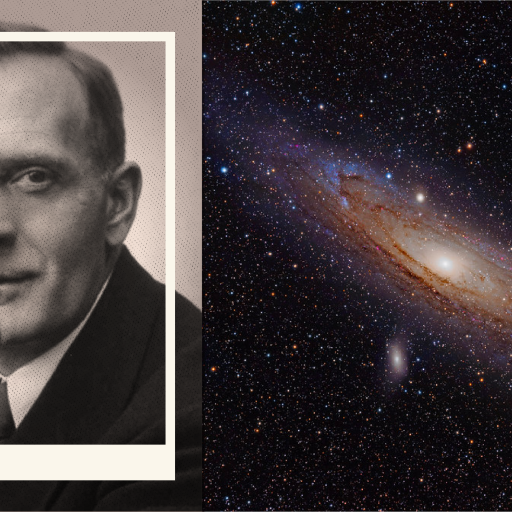
Edwin Hubble and Andromeda galaxy
For decades, astronomers have claimed the Milky Way will merge with Andromeda in ~4 billion years. Here's why, in 2025, that seems unlikely.
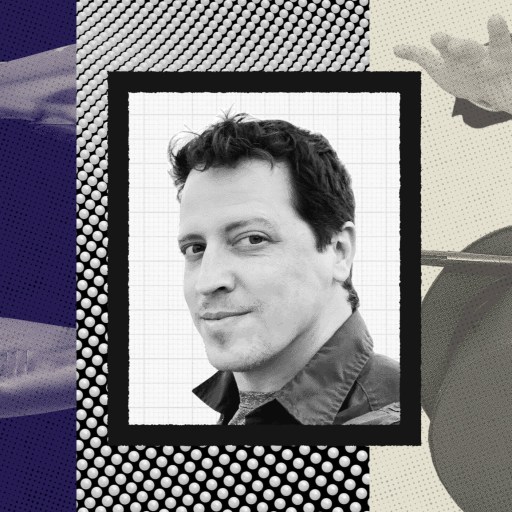
Black-and-white portrait of Andrew Mayne centered on a collage background featuring sharks on the left and a hand holding a magician’s hat and wand on the right.
The outrageously accomplished magician-inventor-author chats to Big Think about fear, multitasking, and successful work-life reinvention.
Two people are holding hands; one person wears a dark sleeve, the other wears a blue sleeve with a green garment. The setting appears to be indoors with a red chair in the background.
6mins
Aristotle thought that a friend you love is considered your ‘second-self’, someone whose pain feels like your own. Philosopher Meghan Sullivan asks, what happens when you extend that kind of love to strangers?
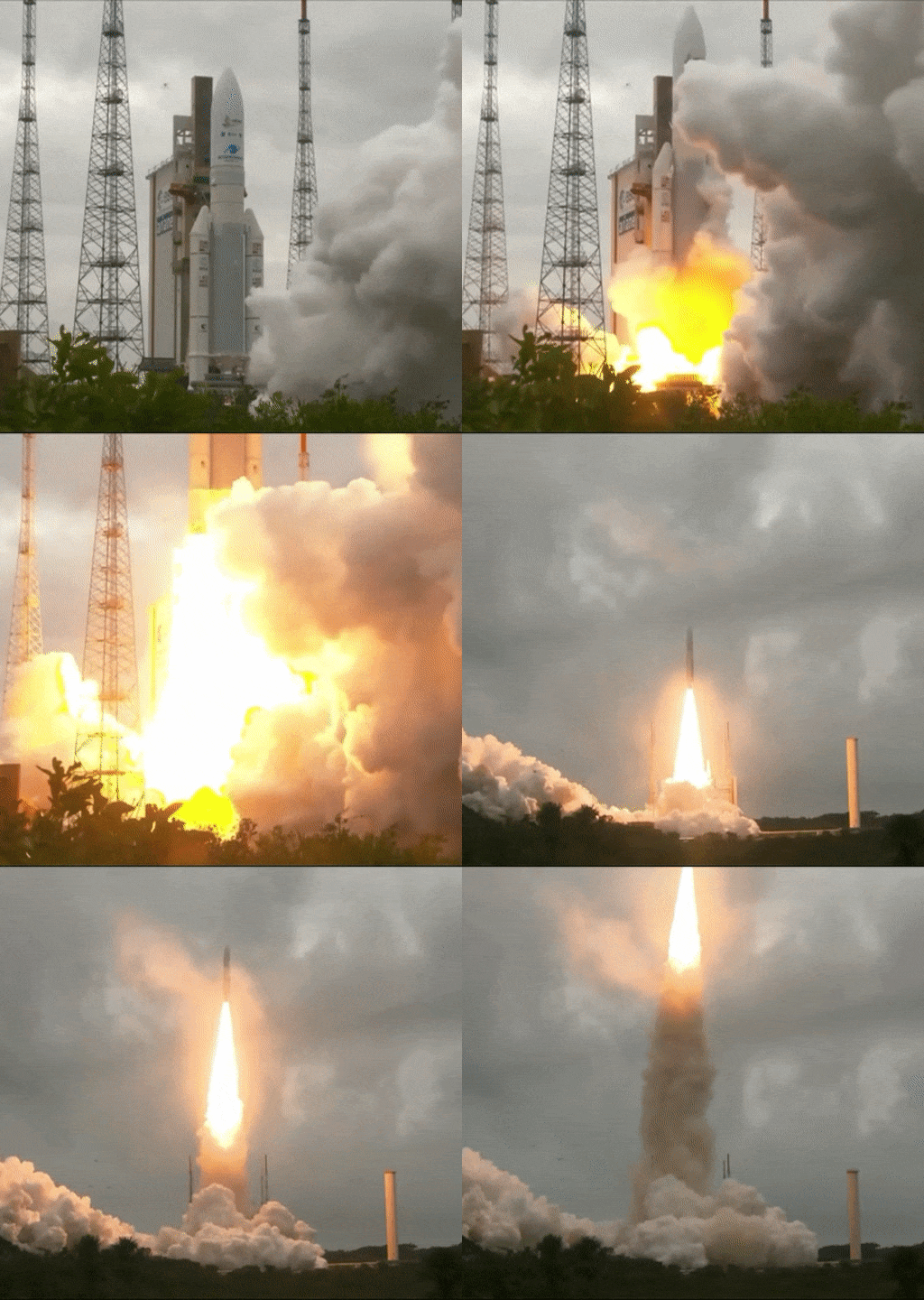
launch James Webb
As US science faces record cuts to funding, jobs, and facilities, these 10 quotes help remind us how science brings value to us all.
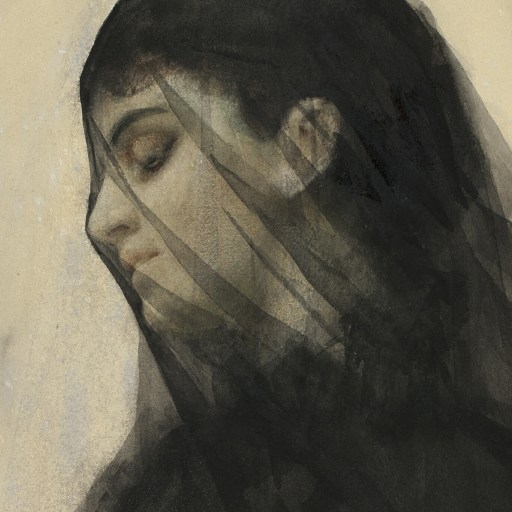
Watercolor painting of a woman in profile, wearing a black veil over her head and face, looking downward against a light background—a quiet reflection on philosophy and grief.
How we handle grief largely depends on our worldview. Here is how three famous philosophers handled the certainty of grief and despair.
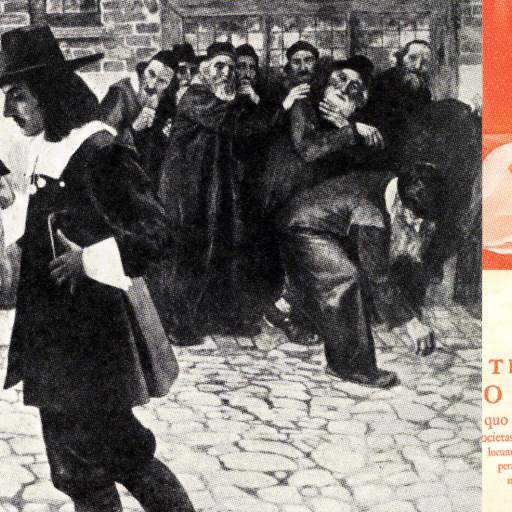
A man in seventeenth-century attire walks away as a group of people gesture behind him; a book title page, possibly referencing Spinoza, is visible on the right side.
From bondage to freedom: Baruch Spinoza’s guide to the rational life.
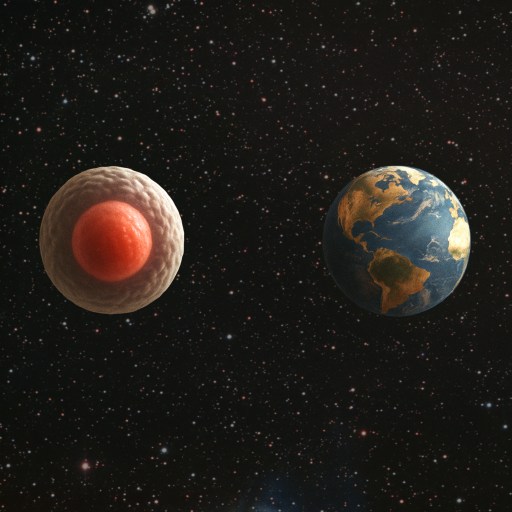
A human cell and the Earth are shown side by side in outer space against a starry background.
1hr 11mins
“It's a remarkable series of events that were required for us to be here, and that so many things could have happened in a different way that we wouldn't be here at all, both individually, and as a species.”