











Test Special Issue

Game Change

Do elite athletes really make elite employees?

Sports, we tend to assume, offer a sharp-edged reflection of business life in microcosm — leadership under pressure, the winning mentality, valuable lessons drawn from loss. It’s all there. Just kick back with a beer and a pizza and watch your pathway to workplace success unfold on game day. Well, it turns out that the connections are often far more nuanced than we might have presumed. Do elite athletes really make elite employees? What’s the connection between Swedish pragmatics in soccer and a thriving startup culture? Have you factored in the difference between “wicked” and “kind” environments (and what does that even mean)? We investigate all of these pivotal tangents, and much more, in this Big Think special collection of essays, interviews, and curated book excerpts. Forget everything you’ve been told about the synergies between sports and business. It’s time to rewrite the rules.

Blue background with the words "Game Change" in white, surrounded by strategic game symbols and graphs in the background.
Presented by
John Templeton Foundation
7mins
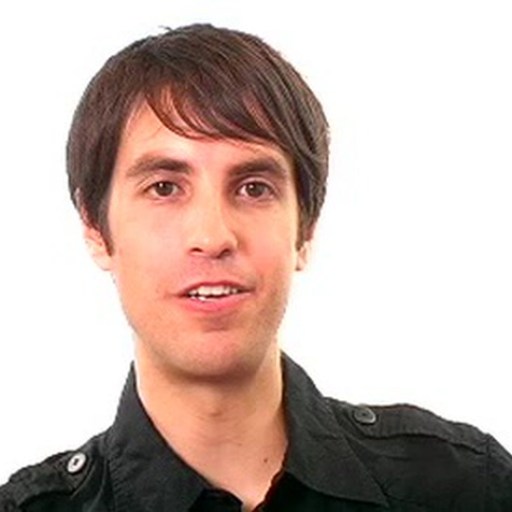
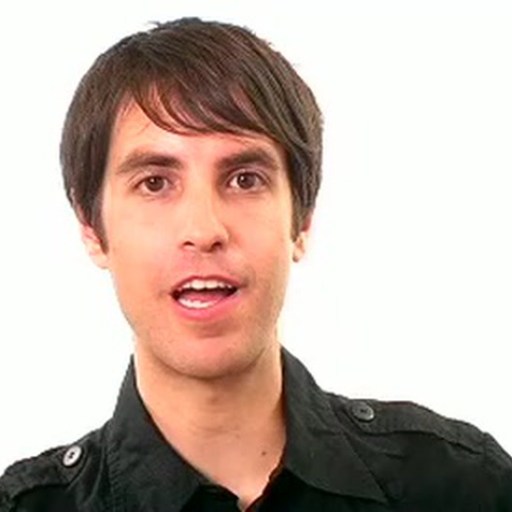
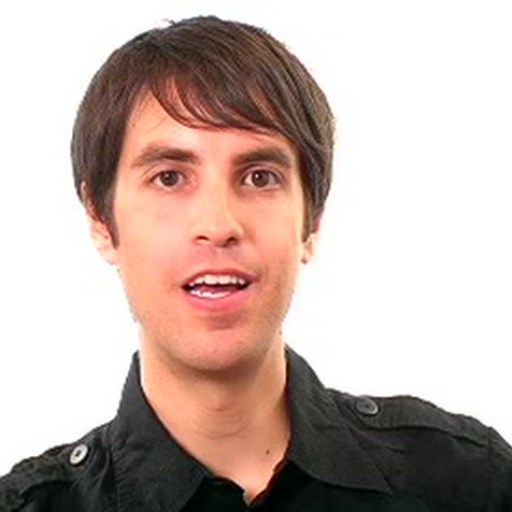
Rojas talks about his background.
1mins
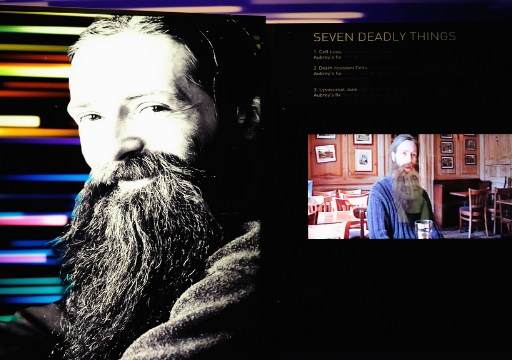
Aubrey de Grey thinks people should ask themselves whether they are sufficiently engaged with their own desires or just sleepwalking through life.
2mins
Gerontologist Aubrey de Grey has a plan to end the “disease” of aging.
1mins
Aubrey de Grey believes that technological progress breeds progress but that one must distinguish between incremental and fundamental progress.
1mins
Rojas talks about why his eating habits and the philosophy behind it all.
2mins
It’s really about mobbing to a hydrogen-based economy, Rojas says.
2mins
Like capitalism, cutting-edge technology is really, really good at aggregating the sum of what’s available and what’s wanted.
4mins
Rojas talks about if the American political system is broken.
4mins
Rojas talks about how technology has made culture more widely available than it ever was before.
1mins
When fatalism enters the equation, we are slow to act, says Aubrey de Grey.
3mins
It’s a question of available human talent and the cost of production, Rojas says.
4mins
Moving the Blackberry beyond businessmen.
2mins
It always comes back to what we think is natural, says Rojas.
3mins
YouTube and MySpace make previously frustrating processes go much more smoothly, Rojas thinks.
1mins
The Web facilitates an intimacy that would be hard to create in real life, Rojas says.
4mins
There’s value in Internet chatter, Rojas says.
1mins
Rojas says it has to fulfill some sort of function.
2mins
Are you doing something that you love?