

Test Special Issue

Game Change

Do elite athletes really make elite employees?

Sports, we tend to assume, offer a sharp-edged reflection of business life in microcosm — leadership under pressure, the winning mentality, valuable lessons drawn from loss. It’s all there. Just kick back with a beer and a pizza and watch your pathway to workplace success unfold on game day. Well, it turns out that the connections are often far more nuanced than we might have presumed. Do elite athletes really make elite employees? What’s the connection between Swedish pragmatics in soccer and a thriving startup culture? Have you factored in the difference between “wicked” and “kind” environments (and what does that even mean)? We investigate all of these pivotal tangents, and much more, in this Big Think special collection of essays, interviews, and curated book excerpts. Forget everything you’ve been told about the synergies between sports and business. It’s time to rewrite the rules.

Blue background with the words "Game Change" in white, surrounded by strategic game symbols and graphs in the background.
Presented by
John Templeton Foundation
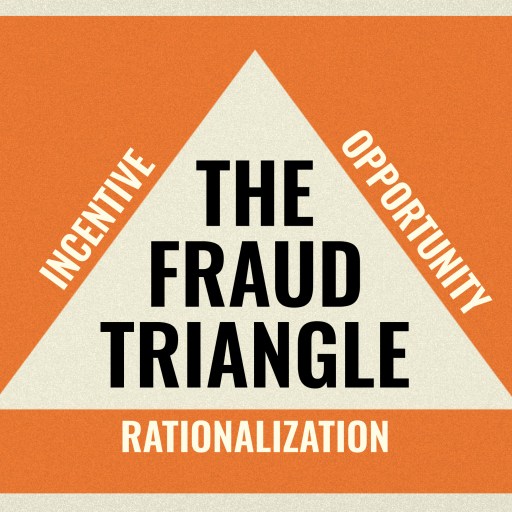
A triangle labeled "The Fraud Triangle" with its three sides named Incentive, Opportunity, and Rationalization, on an orange background.
32mins
“Fraud is a trillion dollar problem, about $5 trillion today with that number increasingly rising annually.”
It's the origin of our entire observable Universe, but it's still not the very beginning of everything.
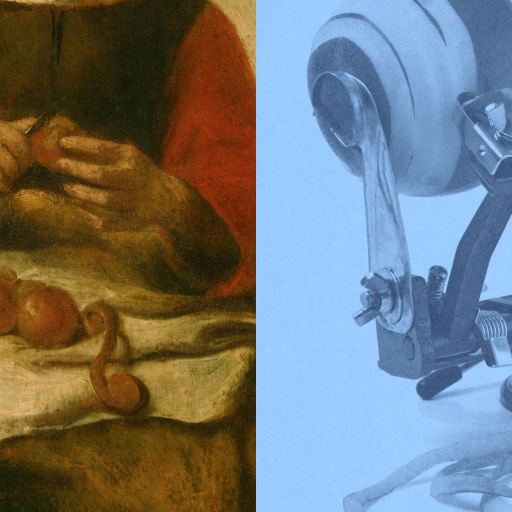
Split image: Left side shows a painting of hands peeling apples with a knife; right side features a modern mechanical apple peeler, echoing Jeff DeGraff’s spirit of innovation bridging tradition and progress.
Real understanding, argues Jeff DeGraff, doesn’t come from outputs — it comes from practice.
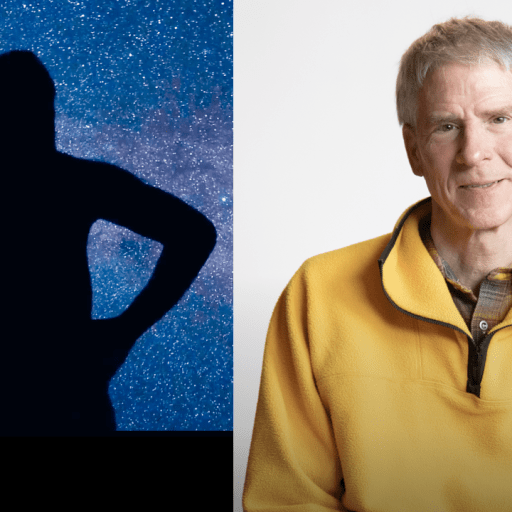
Split image: Left side shows a silhouette of a person with hands on hips against a starry sky; right side shows an older man in a yellow jacket against a plain white background.
6mins
Everything you experience is filtered through your brain, and everyone’s brain is different. Neuroscientist Christof Koch explains how understanding this can deepen your connection to the world around you.
Unlikely Collaborators
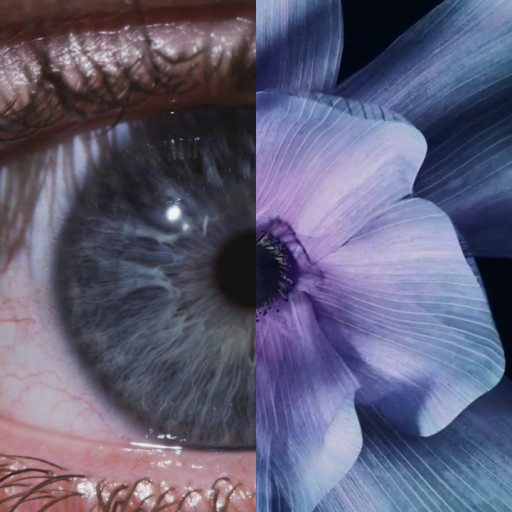
Close-up split image showing the left half of a human eye and the right half of a purple flower, highlighting the detail and texture of both subjects.
3mins
Biologist Tyler Volk PhD, psychiatrist Bruce Greyson MD, and palliative care physician BJ Miller MD, reveal how confronting mortality can improve the way we live.
Unlikely Collaborators
A dark, rocky planet orbits in space with the sun illuminating its edge, surrounded by stars and distant cosmic clouds.
The most common type of exoplanet is neither Earth-sized nor Neptune-sized, but in between. Could these haze-rich worlds house alien life?
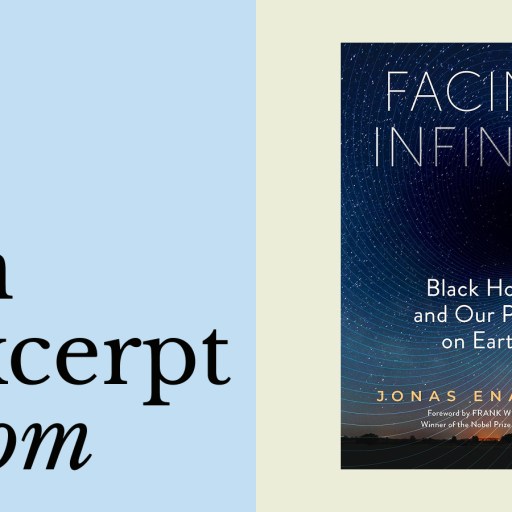
Book cover of "Facing Infinity: Black Holes and Our Place on Earth" by Jonas Enander, exploring the mysteries priest black holes hold, next to the text "an excerpt from" on a split blue and beige background.
In this excerpt from "Facing Infinity," Jonas Enander examines how John Michell conceived of "dark stars," or massive bodies with enough gravity to trap light, all the way back in 1783.
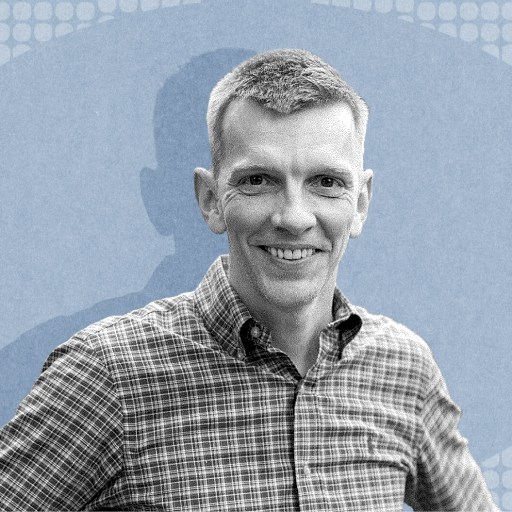
Angus Fletcher, wearing a plaid shirt, smiles at the camera as he stands in front of a blue, patterned background.
A dialogue with Angus Fletcher — author of the bestseller "Primal Intelligence" — exploring the unique engines of human progress.
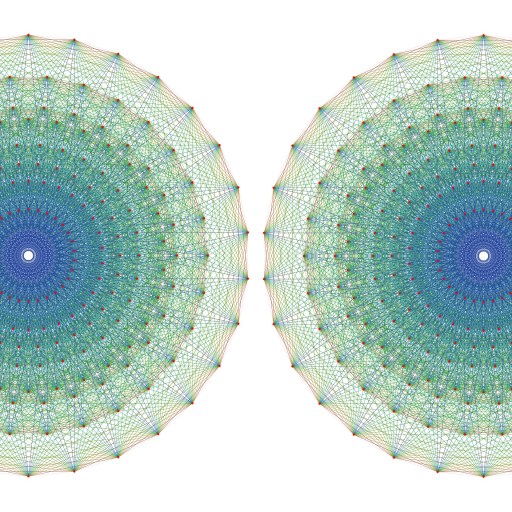
Two identical, intricate, circular geometric patterns with symmetrical, multicolored lines and shapes are displayed side by side on a white background—each subtly reflecting the argument against theory of everything’s promise of perfect symmetry.
The Holy Grail of physics is a Theory of Everything: where a single equation describes the whole Universe. But maybe there simply isn't one?
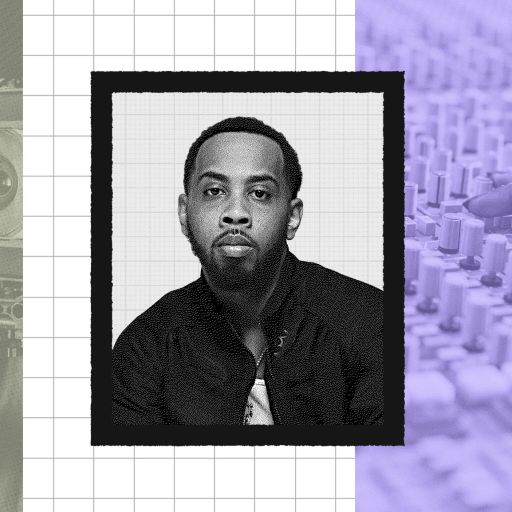
A black-and-white portrait of JoJo Simmons is centered between an image of a film camera on the left and a close-up of a hand adjusting audio mixing controls on the right.
Reality TV star, music producer, and serial entrepreneur JoJo Simmons on the power of listening and the massive benefits of switching off.
Close-up of a classical painting showing a woman in a white headscarf looking upward with her lips pressed together; background is dark.
6mins
Free speech can amplify hatred, but it also protects the fight against it. Founder of The Future of Free Speech Jacob Mchangama explains.
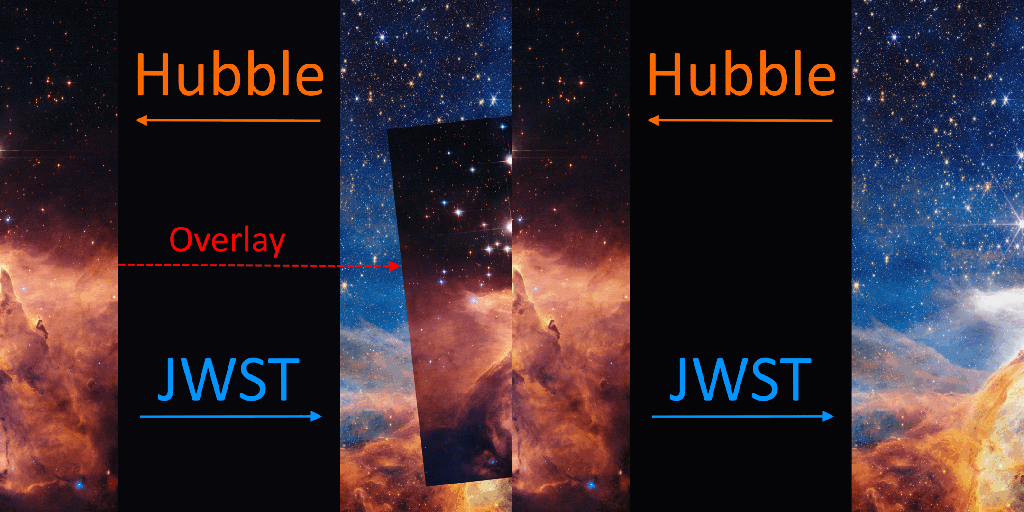
Side-by-side comparison of the Pismis 24 nebula as seen by Hubble (top left) and JWST (bottom right), with an overlay highlighting image differences.
JWST isn't the first telescope to peer into this factory of star-birth some 5500 light-years away, but its views are the most educational.
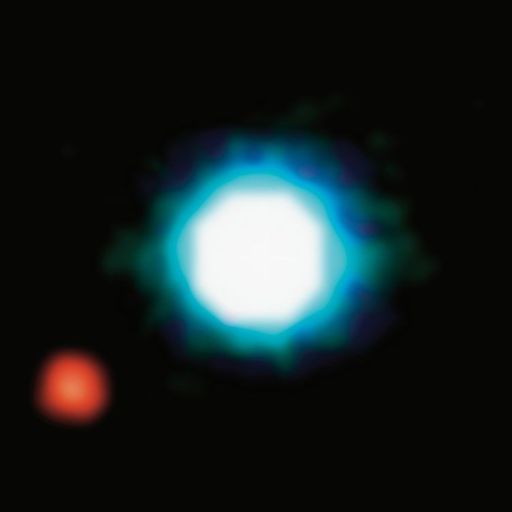
A bright, circular blue and white object is centered against a black background, with a smaller red object to the lower left.
Going back to 1990, we hadn't even found one planet outside of our Solar System. As we close in on 6000, we now see many of them directly.
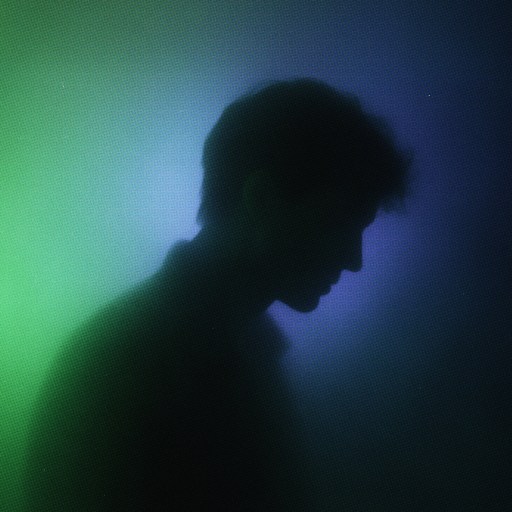
Silhouette of a person in profile against a gradient background of green and blue light.
1hr 37mins
“A lot of the trends in the economy, in family life have just been much harder for working class men.”
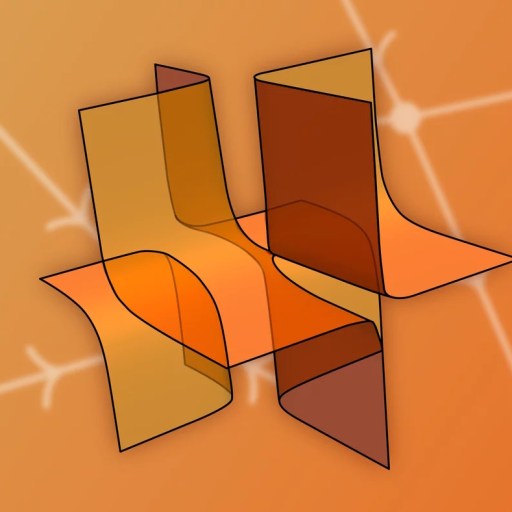
Abstract 3D geometric surface with intersecting translucent orange and brown planes, inspired by the amplituhedron theory of everything, set against a blurred orange background with white network lines.
Since even before Einstein, physicists have sought a theory of everything to explain the Universe. Can positive geometry lead us there?
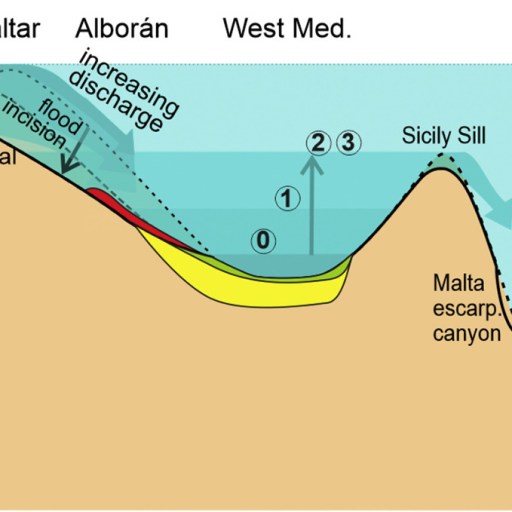
a diagram of the ocean floor.
About six million years ago, the Mediterranean was sealed off from the Atlantic, and over centuries it ran dry. One megaflood reversed that.
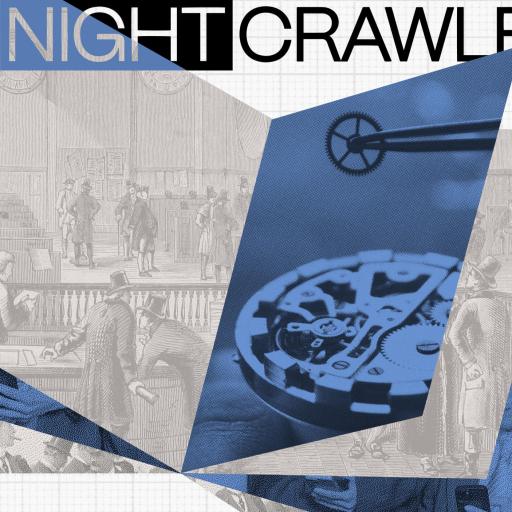
A collage features people using phones, a vintage courtroom scene, and a close-up of mechanical watch parts under tweezers, exploring ancestral bonds, with the title "THE NIGHTCRAWLER" at the top.
Welcome to The Nightcrawler — a weekly newsletter from Eric Markowitz covering tech, innovation, and long-term thinking.
An older man with long white hair and a suit looks at the camera, standing in front of a blurred background with bookshelves.
11mins
"We're stuck at type zero. But what would it take to move between universes? What would it take to enter a black hole? What would it take to break the light barrier?"
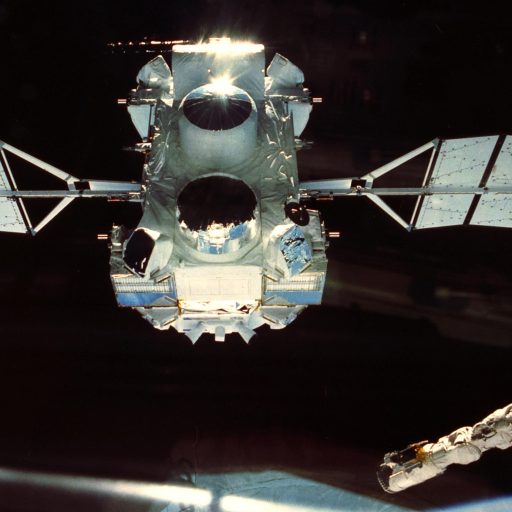
Compton gamma-ray observatory deployment
Across all wavelengths of light, the Sun is brighter than the Moon. Until we went to the highest energies and saw a gamma-ray surprise.