




Test Special Issue

Game Change

Do elite athletes really make elite employees?

Sports, we tend to assume, offer a sharp-edged reflection of business life in microcosm — leadership under pressure, the winning mentality, valuable lessons drawn from loss. It’s all there. Just kick back with a beer and a pizza and watch your pathway to workplace success unfold on game day. Well, it turns out that the connections are often far more nuanced than we might have presumed. Do elite athletes really make elite employees? What’s the connection between Swedish pragmatics in soccer and a thriving startup culture? Have you factored in the difference between “wicked” and “kind” environments (and what does that even mean)? We investigate all of these pivotal tangents, and much more, in this Big Think special collection of essays, interviews, and curated book excerpts. Forget everything you’ve been told about the synergies between sports and business. It’s time to rewrite the rules.
Blue background with the words "Game Change" in white, surrounded by strategic game symbols and graphs in the background.
Presented by
John Templeton Foundation
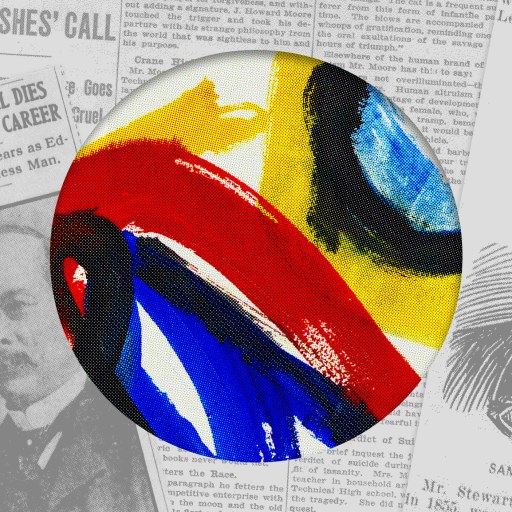
A colorful abstract painting is centered over a black-and-white collage of old newspaper clippings featuring portraits and articles.
Reading obituaries can boost creativity by exposing you to distant ideas, fueling the associations that lead to unexpected breakthroughs.
Visualization of a section through the large-scale structure of the universe highlighting cosmic web patterns and distributions.
Since 1998, we've known our Universe isn't just expanding, but the expansion is accelerating. Could the Big Bang itself be the reason why?
Man in a dark shirt smiling against a purple background with black scribbles and a white rectangle, reminiscent of "The Year of Living Biblically," embracing the chaos with serene humor.
A.J. Jacobs looks back at what he learned about religion, himself, and modern American culture during “The Year of Living Biblically.”
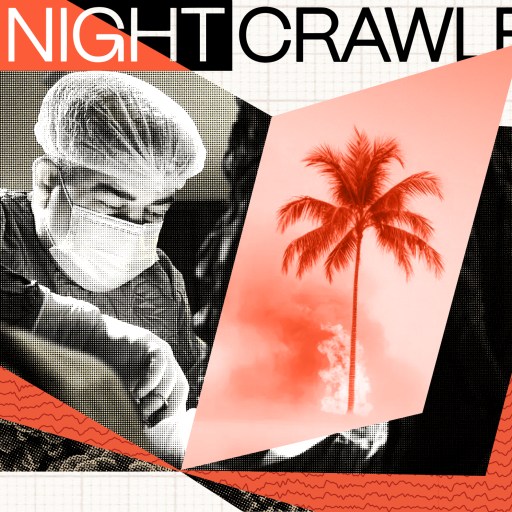
A collage features a masked life-saver in surgical attire, a palm tree scene, and bold text reading "The Night Crawler" against a geometric background.
Welcome to The Nightcrawler — a weekly newsletter from Eric Markowitz covering tech, innovation, and long-term thinking.
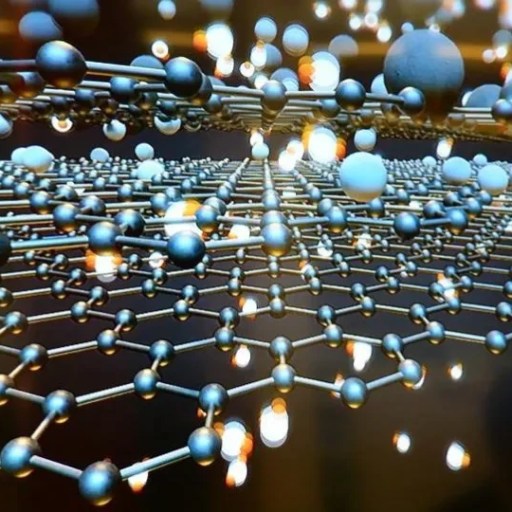
graphene atoms
For millennia, diamonds were the hardest known material, but they only rank at #7 on the current list. Can you guess which material is #1?
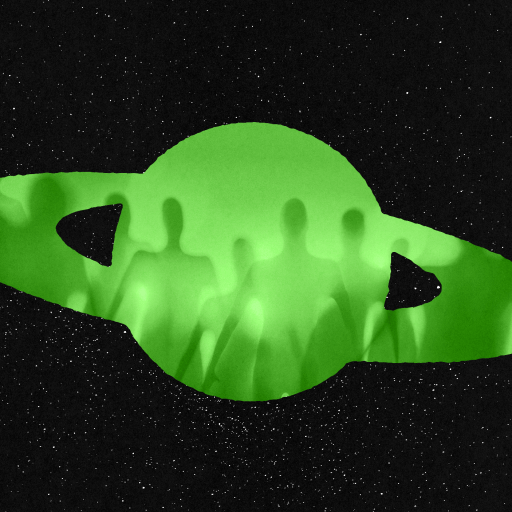
A green planet with rings is shown against a starry black background, with shadowy humanoid figures visible inside the planet’s outline.
Long before the search for biosignatures, scientists imagined a cosmos teeming with intelligent life.
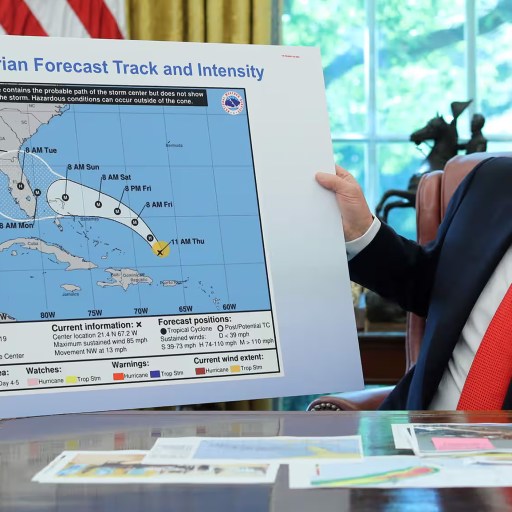
A man in a suit holds up a Hurricane Dorian forecast map in an office, tracing the storm’s projected path and intensity over several southeastern U.S. states and the Bahamas—echoing the urgent clarity of a 1938 science manifesto defending democracy.
As democracy recedes and fascism rises in the USA and around the world in 2025, history provides a lesson in how science can fight fascism.
A stylized collage featuring an X-ray of human lungs above and a dandelion dispersing seeds below, set against green and beige backgrounds, evokes the easy, slack flow of breath and gentle change.
In nature, business, and life, survival doesn’t belong to the optimized — it belongs to those with a built-in buffer.
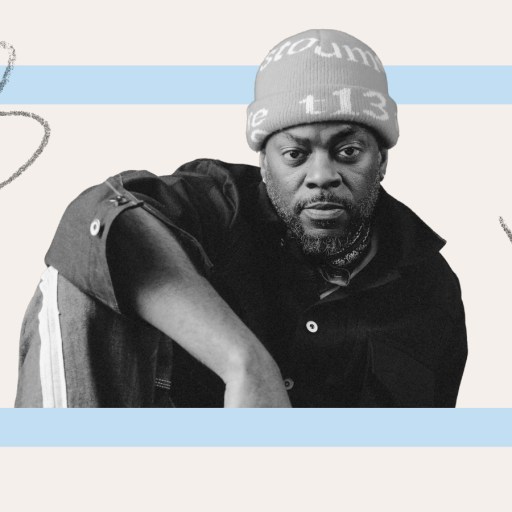
A man wearing a beanie and dark clothing sits with one arm resting on his knee, inside a blue rectangular frame on a light background with abstract lines, embodying the cool, thoughtful vibe of King Willonius.
The comedian and musician behind the viral hit “BBL Drizzy” shares the books that shaped his thinking and approach to art.
Illustration of a thumbs up and thumbs down, resembling a like button and dislike button, on a black background, both partially covered with red scribble marks.
Will platforms continue to offer the like button as an all-purpose tool — or will each of the button’s various functions exist in new forms?
Illustration of a large particle accelerator facility underground, with scientists working and a city landscape above ground.
The laws of nature are almost perfectly symmetric between matter and antimatter, and yet our Universe is made ~100% of matter only. But why?
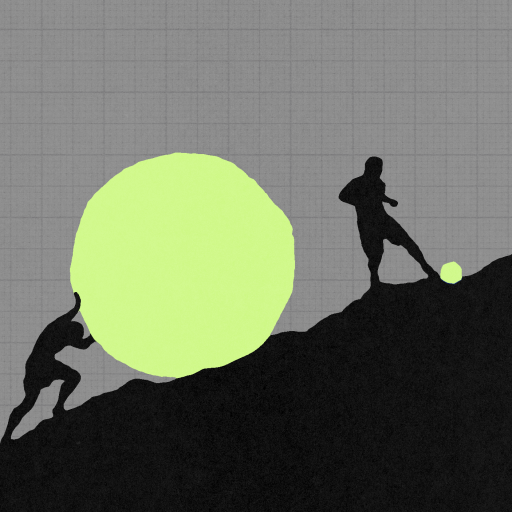
Two silhouetted figures on a slope; one pushes a large green sphere uphill, while the other lightly kicks a small green ball downhill against a gray grid background.
Unconsidered productivity might leave you moving efficiently in the entirely wrong direction.
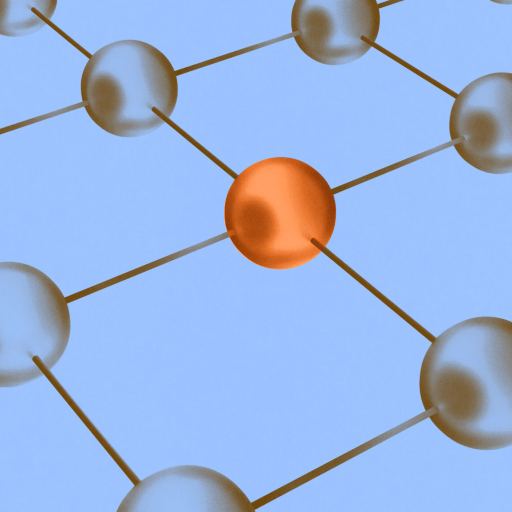
A grid of connected translucent spheres on a light blue background represents network leadership, with one central sphere colored orange instead of grey.
The rapid crash of Nokia was triggered when key information gatekeepers became bottlenecks. Here’s the key lesson.
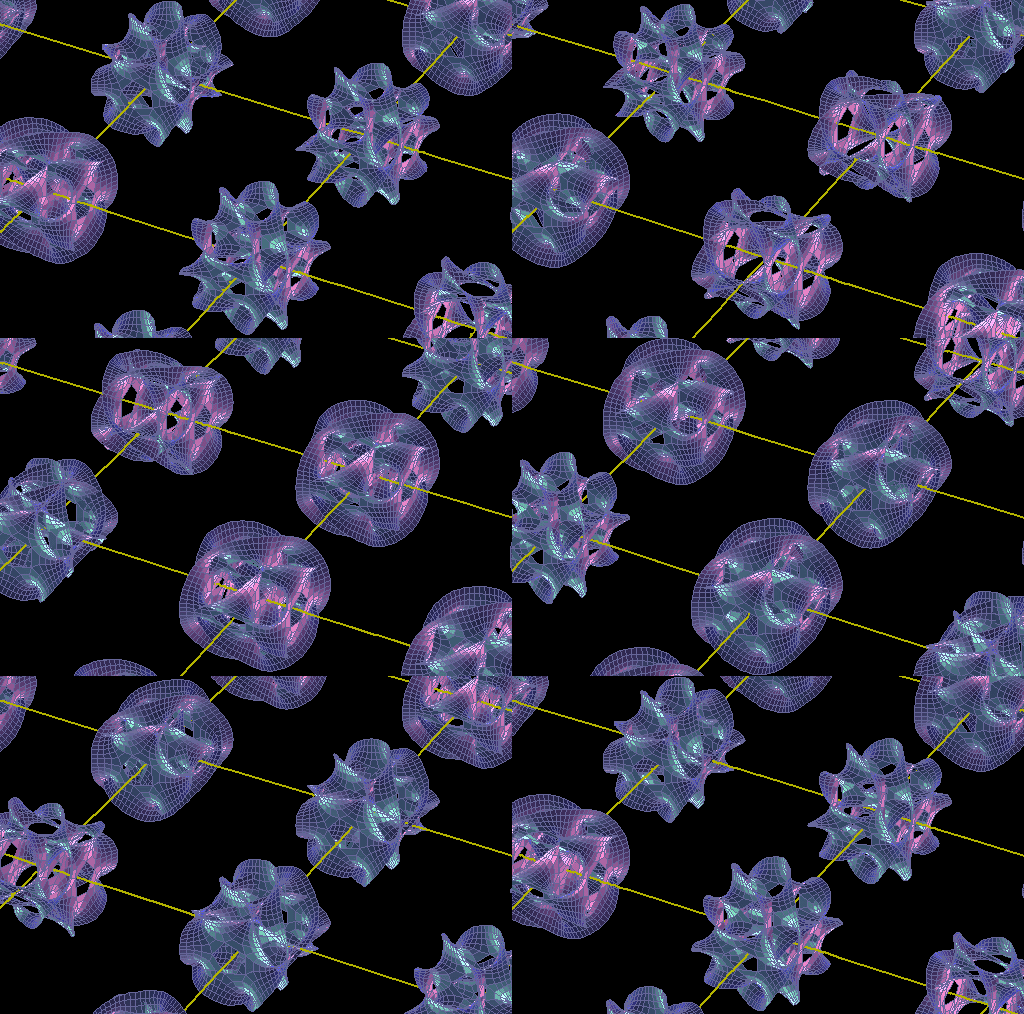
A repeating pattern of wireframe 3D geometric shapes intersected by diagonal yellow lines on a black background, evoking a physics break down of forms at the Planck scale.
There are limits to where physics makes meaningful predictions: beyond the Planck length, time, or energy. Here's why we can't go further.
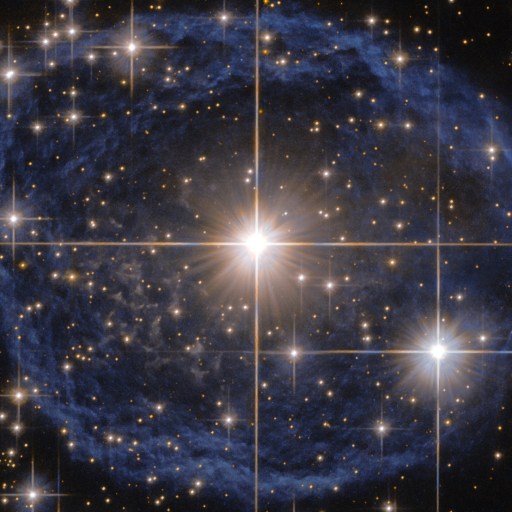
Bright star at the center of a blue nebula radiates mass energy, surrounded by numerous smaller stars, with diffraction spikes visible from the brightest stars.
All stars shine due to an internal source of energy. Usually, it's nuclear fusion: converting mass into energy. What makes them most bright?
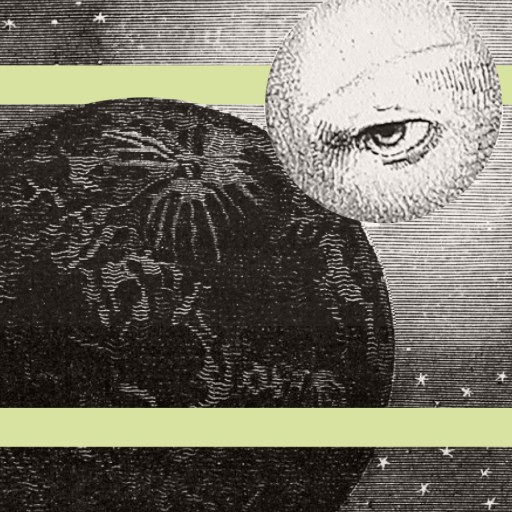
A vintage-style illustration of a celestial scene, echoing science fiction by scientists, features a textured black planet and a whimsical moon with an eye, all enclosed in a pale green border against a starry background.
What happens when scientists "write what they know"? Some amazing science fiction stories.
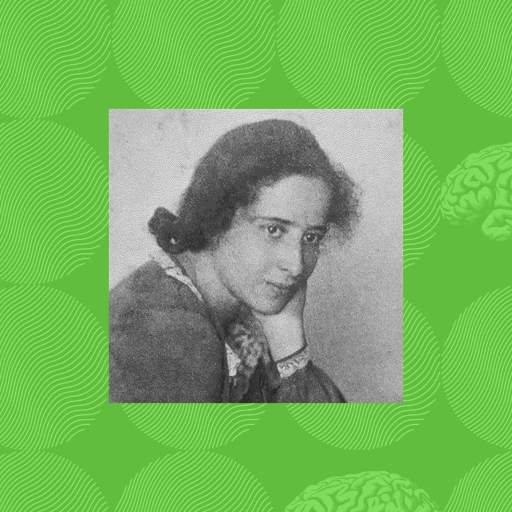
Black and white photo of a young woman resting her chin on her hand, set against a green background with circular and brain patterns.
Arendt thought 20th-century philosophy had become too passive and abstract. She called for "active thinking" that prepares us to live in the real world.