
Test Special Issue

Game Change

Do elite athletes really make elite employees?

Sports, we tend to assume, offer a sharp-edged reflection of business life in microcosm — leadership under pressure, the winning mentality, valuable lessons drawn from loss. It’s all there. Just kick back with a beer and a pizza and watch your pathway to workplace success unfold on game day. Well, it turns out that the connections are often far more nuanced than we might have presumed. Do elite athletes really make elite employees? What’s the connection between Swedish pragmatics in soccer and a thriving startup culture? Have you factored in the difference between “wicked” and “kind” environments (and what does that even mean)? We investigate all of these pivotal tangents, and much more, in this Big Think special collection of essays, interviews, and curated book excerpts. Forget everything you’ve been told about the synergies between sports and business. It’s time to rewrite the rules.
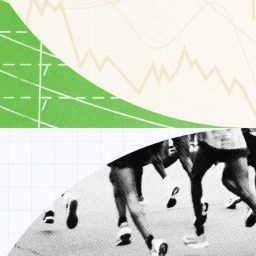
Blue background with the words "Game Change" in white, surrounded by strategic game symbols and graphs in the background.
Presented by
John Templeton Foundation
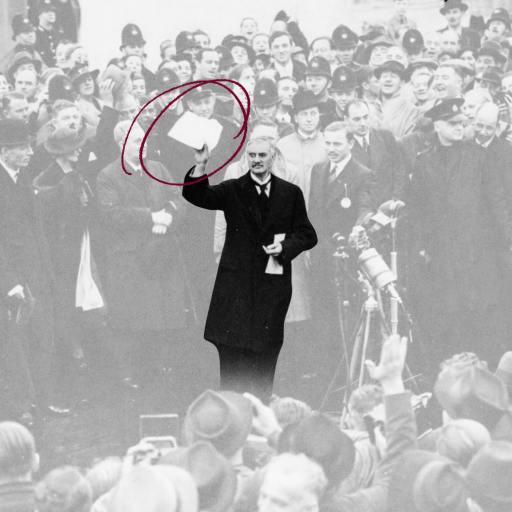
A man in a dark coat holds up a signed document in front of a crowd; the document is circled in red.
From Hitler to Hamas, Western powers have repeatedly dismissed open threats as bluffs — with catastrophic results.
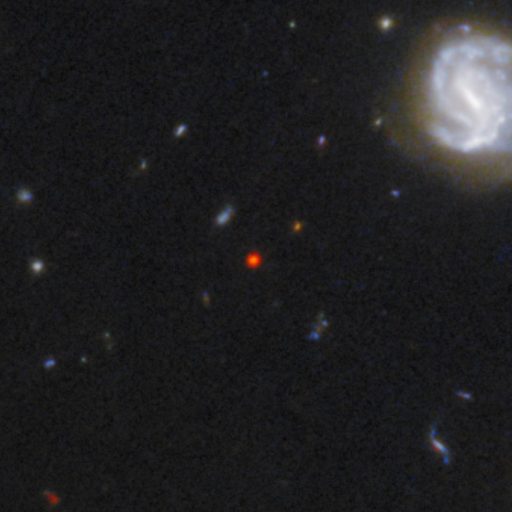
quasar-galaxy hybrid
Found by Hubble before JWST's launch, GNz7q looked like a mix of a galaxy and a quasar. Was it actually our first known "little red dot"?
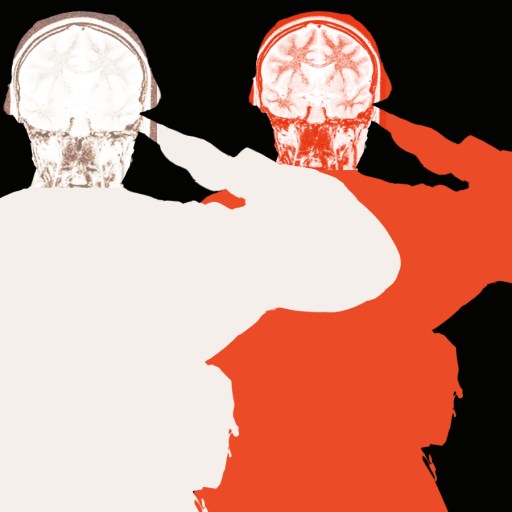
Two figures in military gear salute, rendered in white and red with visible brain scans over their heads, set against a black background—a striking nod to the neuroscience of war.
In “Warhead,” neuroscientist and national security adviser Nicholas Wright explains how the brain navigates warfare and why it is our ultimate weapon (and instrument for peace).
A coastal landscape with rugged cliffs shaped by seaflooding and calm water at sunset, with mountains in the background and soft orange and purple hues in the sky.
Bold megaprojects could turn dry depressions into thriving new hubs of life.
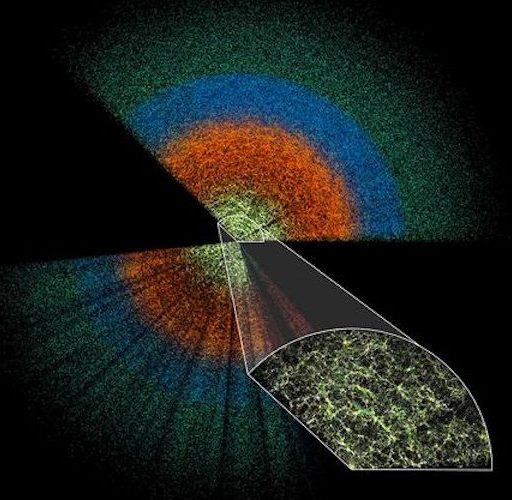
Illustration of the universe's large-scale structure with colorful concentric circles, representing cosmic structure distribution, against a black background.
Observations with the Hubble space telescope helped cement dark energy and reveal the Hubble tension. How are these two things so different?
The whole isn't greater than the sum of its parts; that's a flaw in our thinking. Non-reductionism requires magic, not merely science.
Collage with "The Nightcrawler" text, an image of a tree, two photos of elderly hands working with clay—reminiscent of Warren Buffett’s wisdom—and partial faces of an older person, all highlighted by orange accents.
Welcome to The Nightcrawler — a weekly newsletter from Eric Markowitz covering tech, innovation, and long-term thinking.
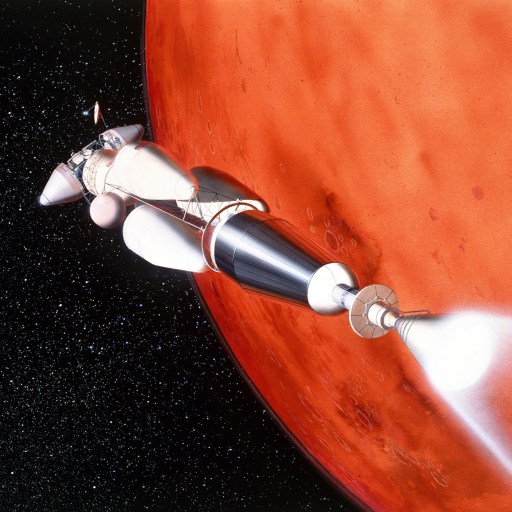
A spacecraft with bright engine exhaust approaches Mars, depicted with its reddish surface and a large crater visible.
"Think of it like a transcontinental railroad — not the fastest way to move a lot of mass, but certainly the most efficient,” Jared Isaacman said about nuclear electric propulsion.
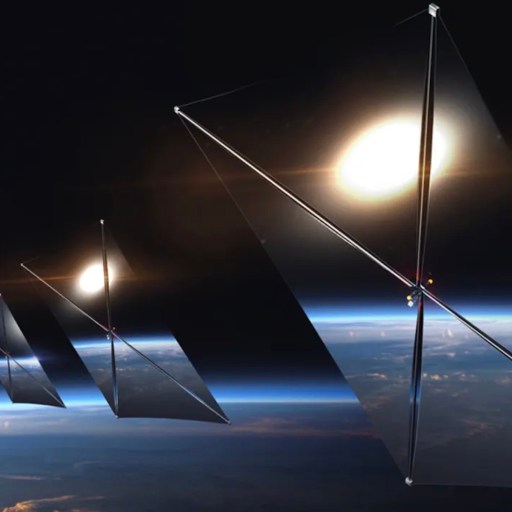
A series of solar sail spacecraft harvest solar power at night, floating above Earth's atmosphere with the sun shining in the background.
Solar power has the disadvantage that there's no Sun at night. Satellite startup Reflect Orbital wants to change that, but at what cost?
A book cover titled "All That We See or Seem" by Ken Liu rests on a light background, beside text reading "an excerpt from" on a vibrant purple background.
A preview of the latest novel by the Hugo- and Nebula-winning author.
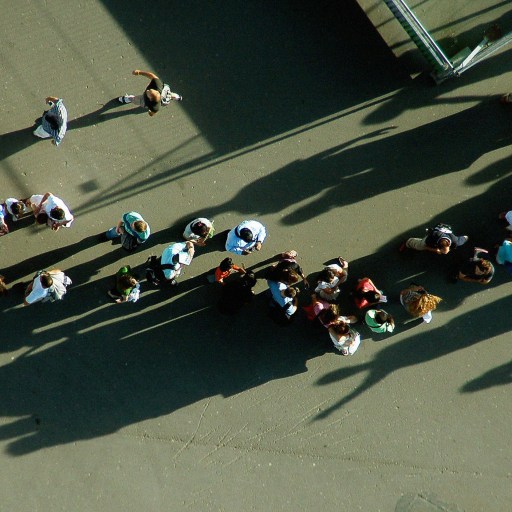
Aerial view of two groups of people waiting in line and walking on a paved surface, casting long shadows in the sunlight.
In this excerpt from "Lucky By Design," Judd Kessler explains how opportunity costs shape our choices and why time is the real price we pay.
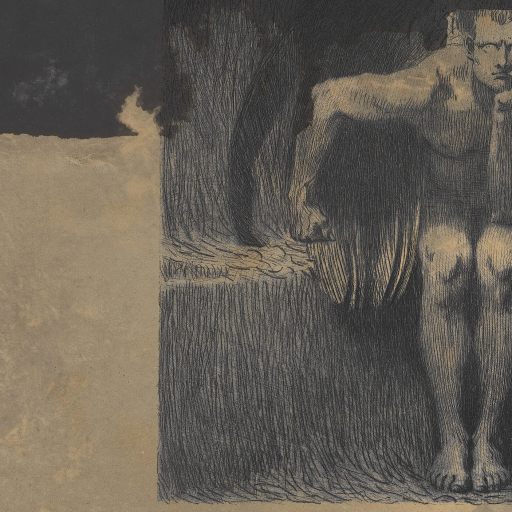
A sketch of a seated, nude figure resting their chin on one hand, surrounded by dark shading and a textured background, evokes an atmosphere of philosophy horror.
Each of these stories rests on a foundation of great ideas that will scare you to death and make you think.
A book cover featuring a brown purse, inspired by the iconic style of Lew Frankfort.
Lew Frankfort — Chairman Emeritus of Coach, Inc. — reveals the surest way for a brand to stand the test of time.
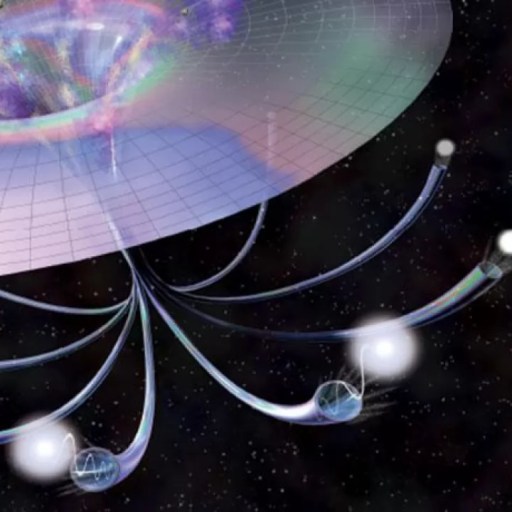
Artistic illustration depicting one of the biggest mysteries of the origin of the universe, showing entangled particles connected by curved paths in space, inspired by concepts from quantum physics and wormholes.
Inflation's two main criticisms, that it can predict anything and that the "measure problem" remains unsolved, can't erase its successes.
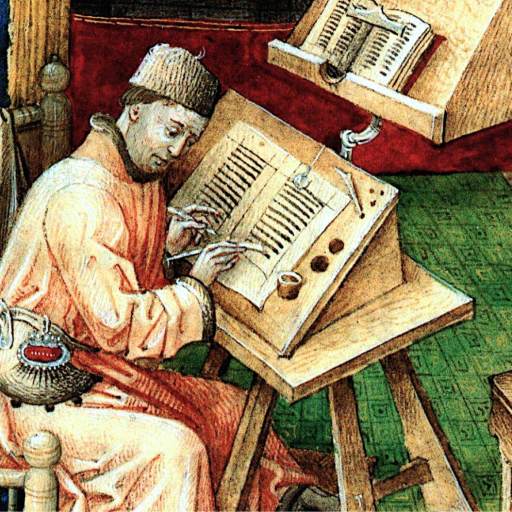
A medieval scribe sits at a desk, writing in a manuscript with quill and ink, surrounded by open books and a basket holding writing supplies.
"What’s happening now has, in fact, been happening since the very invention of language and writing."
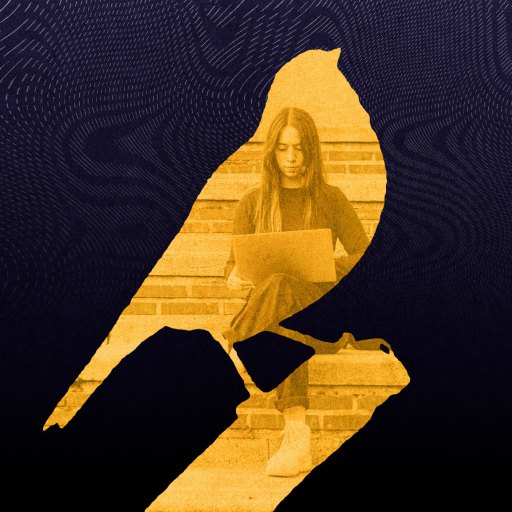
A yellow bird silhouette reveals a woman sitting on steps using her laptop, symbolizing the watchful presence of AI canaries, set against a dark, patterned background.
Early warning signs show AI is eating into the entry-level job market — a potential harbinger of things to come.
The Orion Nebula surrounded by stars, with a bright green meteor streaking diagonally across the image, evokes the wonder of shooting stars illuminating the night sky.
The Orionids meteor shower peaks October 20th/21st here in 2025, coinciding with a new Moon. See the brightest shooting stars of the year!
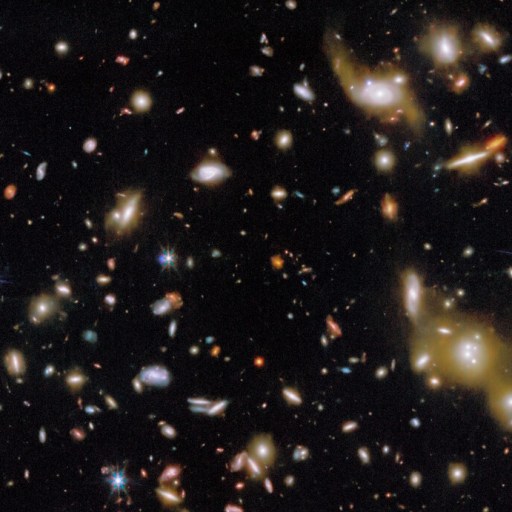
A view of deep space showing numerous galaxies of various shapes and sizes scattered across a dark background.
To learn how our Universe grew up, we have to look at large numbers of galaxies at all distances to find out. Good thing we have JWST!
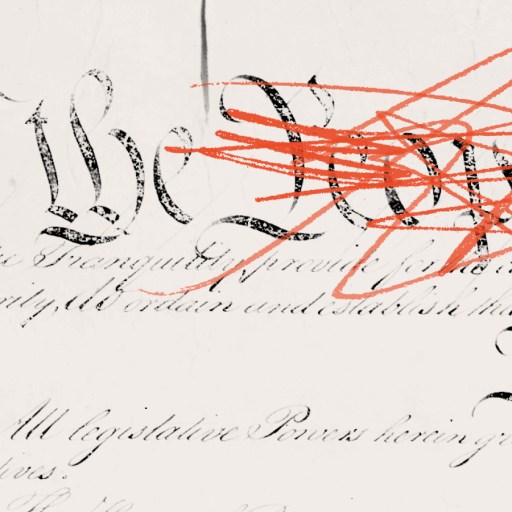
A section of the U.S. Constitution, with the iconic words "We the People" partially obscured by red scribbles, highlights the enduring significance of this historic document.
In "We the People," Harvard historian Jill Lepore examines how the U.S. Constitution became unamendable and its implications for the health of the democracy.