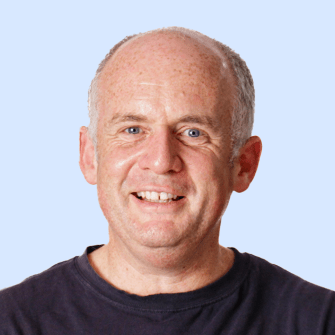
When Jesus was crucified, it led to even more followers. When books are banned, people flock to read them. Humans are fascinated by the forbidden, which is why censorship – especially in the digital age – doesn’t work. Jacob Mchangama explains.

"One of the largest mitigating factors against getting traumatized is who is there for you at that particular time."

"Could black holes be the key to a quantum theory of gravity, a deeper theory of how reality, of how space and time works? Well, I think so."
Sleeping better helps you think better, which helps you live better. Three experts explain why quality sleep is imperative to brain function, problem solving, communication, and more.
Unlikely Collaborators

“The media is 10x more likely to describe experiences of being alone as negative, as compared to positive.” Psychologist Ethan Kross shares how reframing the idea of loneliness can help us feel more peace when we’re on our own.

“This is a world in which we've essentially given ourselves the tools to stop the construction of the most important product in American lives in the places where Americans often most want to move.”

"If you're interested in human performance, what you want is something that's reliable and repeatable, and thus you want neurobiology because neurobiology gives you mechanism."
How can the brain — a piece of matter — love? Physics and chemistry explain the material world, but they can’t explain why it feels like something to be alive. This is the mystery of consciousness, according to these experts.
Unlikely Collaborators

Free speech may be messy, but censorship is deadly. Founder of The Future of Free Speech Jacob Mchangama explains.

“We can have that fight for a 1,000 years, but we could have a shot at figuring out what we both need and noticing when there's opportunities to make that happen.”
“The sexual excitation system is the accelerator or the gas pedal, and it notices all the sex-related information in the environment.”
A physician, a psychologist, and a mindfulness teacher explain what stress does to your body and mind, and how to use it to get smarter and stronger.
Unlikely Collaborators

Modern culture has made us feel like there’s no time to be patient. Sarah Schnitker’s lab at Baylor University is researching how this often-forgotten virtue could improve our overall well-being.
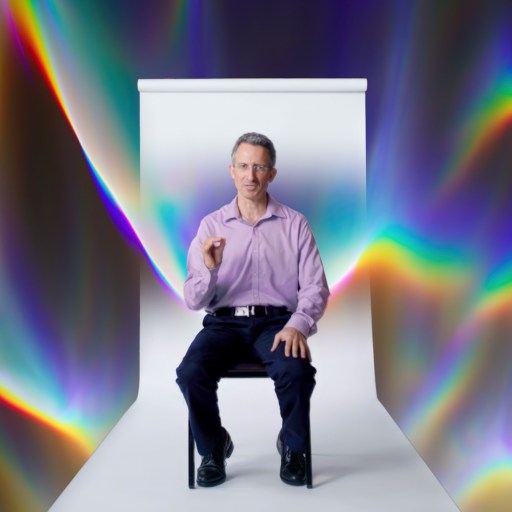
“There's research showing that people who are curious, who ask questions, are not just happier, they're not just more successful, they also live longer.”
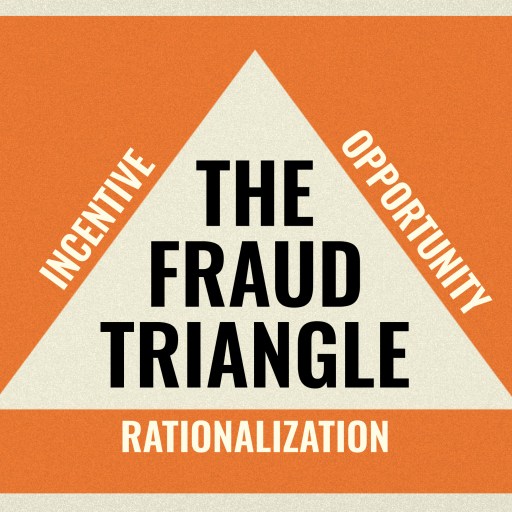
“Fraud is a trillion dollar problem, about $5 trillion today with that number increasingly rising annually.”
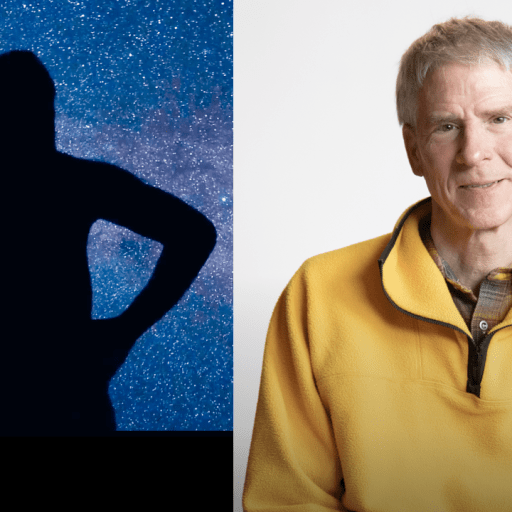
Everything you experience is filtered through your brain, and everyone’s brain is different. Neuroscientist Christof Koch explains how understanding this can deepen your connection to the world around you.
Unlikely Collaborators
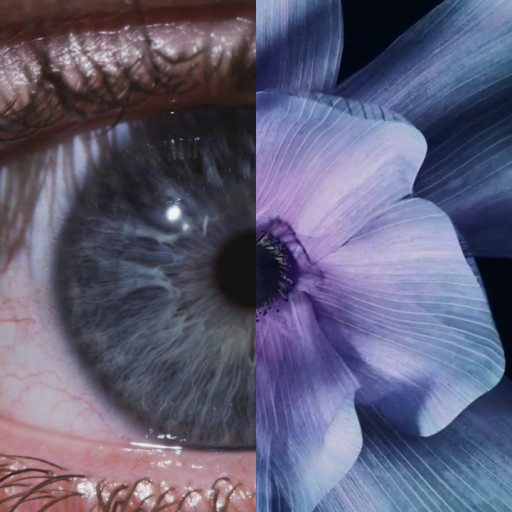
Biologist Tyler Volk PhD, psychiatrist Bruce Greyson MD, and palliative care physician BJ Miller MD, reveal how confronting mortality can improve the way we live.
Unlikely Collaborators

Free speech can amplify hatred, but it also protects the fight against it. Founder of The Future of Free Speech Jacob Mchangama explains.

“A lot of the trends in the economy, in family life have just been much harder for working class men.”
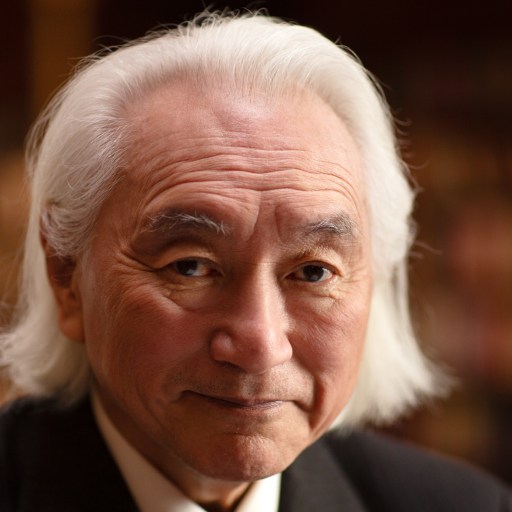
"We're stuck at type zero. But what would it take to move between universes? What would it take to enter a black hole? What would it take to break the light barrier?"