








Test Special Issue

Game Change

Do elite athletes really make elite employees?

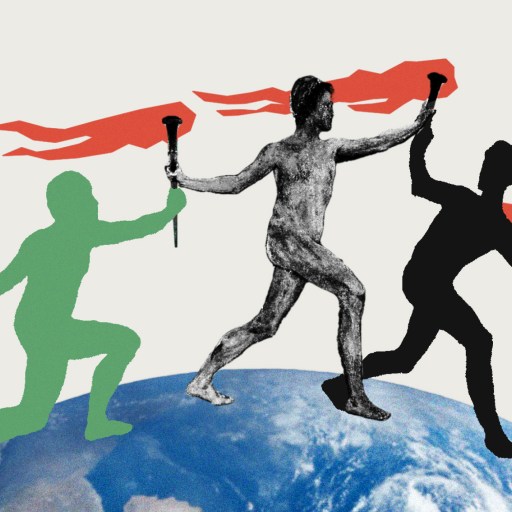
Sports, we tend to assume, offer a sharp-edged reflection of business life in microcosm — leadership under pressure, the winning mentality, valuable lessons drawn from loss. It’s all there. Just kick back with a beer and a pizza and watch your pathway to workplace success unfold on game day. Well, it turns out that the connections are often far more nuanced than we might have presumed. Do elite athletes really make elite employees? What’s the connection between Swedish pragmatics in soccer and a thriving startup culture? Have you factored in the difference between “wicked” and “kind” environments (and what does that even mean)? We investigate all of these pivotal tangents, and much more, in this Big Think special collection of essays, interviews, and curated book excerpts. Forget everything you’ve been told about the synergies between sports and business. It’s time to rewrite the rules.


Blue background with the words "Game Change" in white, surrounded by strategic game symbols and graphs in the background.
Presented by
John Templeton Foundation
war technology
The U.S. military once used Google’s tech without their employees knowing. Anna Butrico explains the complicated history behind “Project Maven.”
workplace inclusion
6mins
An inclusion expert explains why women of color are held back.
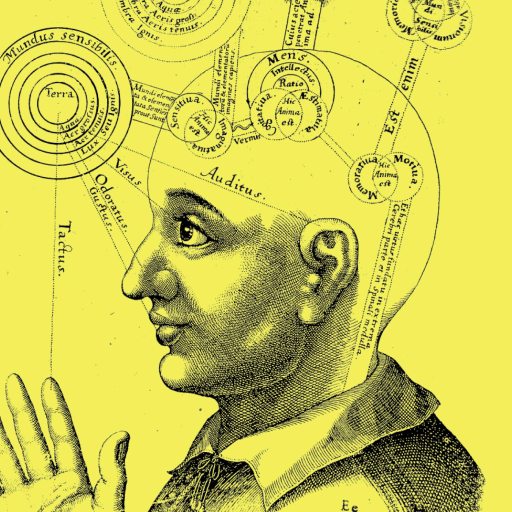
A vintage illustration of a person's head in profile, with diagrams of astronomical and conceptual systems overlaying the brain to evoke themes of consciousness, set against a yellow background.
8mins
Is science destined to crack the code of consciousness—and how would we even go about it?
John Templeton Foundation
8mins
The futurist behind Minority Report explains 3 steps for predicting what comes next.
5mins
An interview with economist Tyler Cowen on why American progress has seemed to stall and how we can get it back on track.
6mins
WIRED founder Kevin Kelly explains why progress often looks like dystopia to the untrained eye.
7mins
Futurist Ari Wallach asks, "how do we want to be remembered?"
Two figures, their heads covered in white cloth, face each other closely against a dark background, evoking the mysterious science of love.
We all want to have a good, stable relationship with somebody, says Dr. Helen Fisher. So it's important to understand how intense romantic love affects our long-term goals.
John Templeton Foundation
Metaverse games
Who will lead humanity in the Metaverse? Roblox and Minecraft gamers.
“The more we understand ourselves and the universe, the more magnificent it is.”
A horned, fanged figure lies on the ground with a foot pressing down on its neck; red drapery is visible above.
6mins
Darwin, Descartes, and Maxwell all believed in these science ‘demons.’
John Templeton Foundation
4mins
What the ‘decade of the brain’ taught us about drug addiction. (Hint, we had it all wrong before.)
Elon Musk, Jack Dorsey, Steve Jobs, Elizabeth Holmes – are these celebrity CEOs good for their business?
A clock face with a spiral effect, showing multiple overlapping clock dials against a solid blue background, evokes the question: is time an illusion?.
The concept is so complex that scientists still argue whether it exists or if it is an illusion.
John Templeton Foundation
dao leadership
2mins
DAOs don’t have a C-suite. How are they led?
Catfish taste with their whole bodies – and that’s just one way animals sense the world totally differently than us.
A classical-style portrait of a person with their face obscured by a large white starburst shape.
9mins
Enlightenment is a traditionally mystical and slippery concept, but when it is subjected to the rigors of empirical analysis, there is a lot to be learned about our brains and ourselves.
John Templeton Foundation
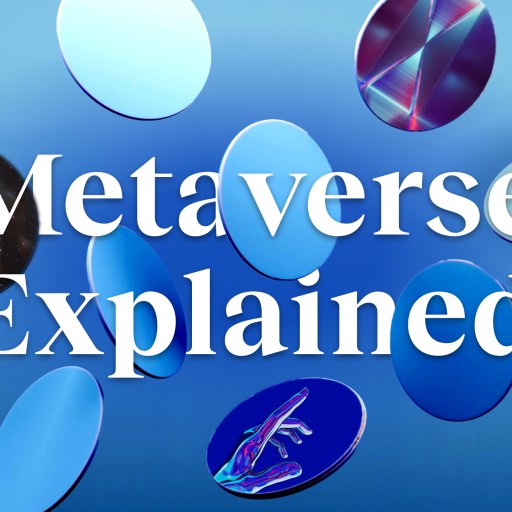
metaverse
14mins
Why should anyone care about the metaverse? Expert Matthew Ball explains what it is, what it isn’t, and why it matters.
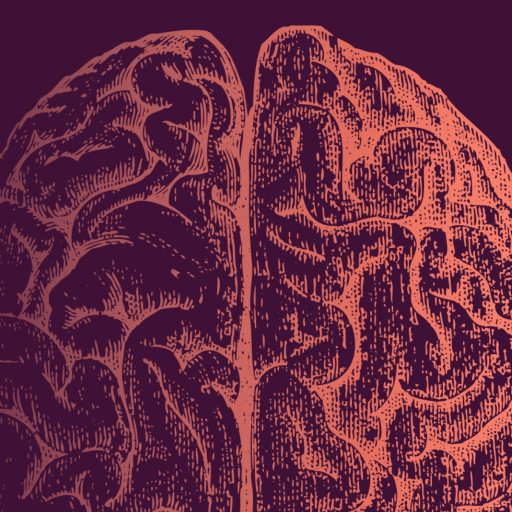
Illustration of the top view of a human brain, showing detailed grooves and folds, with a textured, etched style on a dark background—evoking the complexity of mental feedback loops.
Humans tend to hunker down in our own minds and trust what we already believe to be true. This emotion-based way of thought isn't often the best way to think about anything, and often leads to gridlock.
John Templeton Foundation