


Test Special Issue

Game Change

Do elite athletes really make elite employees?

Sports, we tend to assume, offer a sharp-edged reflection of business life in microcosm — leadership under pressure, the winning mentality, valuable lessons drawn from loss. It’s all there. Just kick back with a beer and a pizza and watch your pathway to workplace success unfold on game day. Well, it turns out that the connections are often far more nuanced than we might have presumed. Do elite athletes really make elite employees? What’s the connection between Swedish pragmatics in soccer and a thriving startup culture? Have you factored in the difference between “wicked” and “kind” environments (and what does that even mean)? We investigate all of these pivotal tangents, and much more, in this Big Think special collection of essays, interviews, and curated book excerpts. Forget everything you’ve been told about the synergies between sports and business. It’s time to rewrite the rules.
Blue background with the words "Game Change" in white, surrounded by strategic game symbols and graphs in the background.
Presented by
John Templeton Foundation
14mins
“This is much deeper than just ‘let’s figure out how we can get both sides to get along.’”
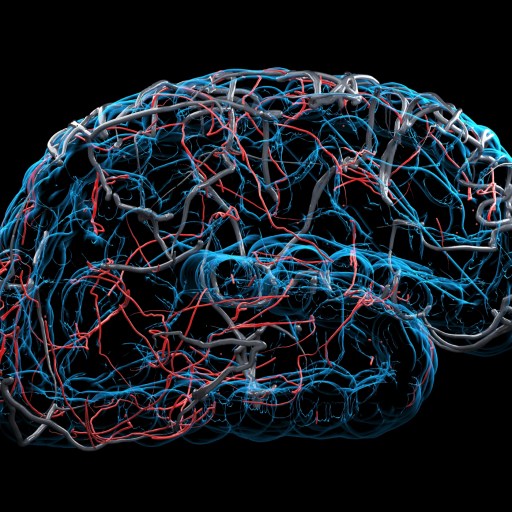
Close-up of a lion's open mouth showing sharp teeth and tongue, painted in a realistic style with rich brown and yellow tones, capturing intensity that echoes themes seen in the neuroscience of inequality.
6mins
What inequality and populism look like in the brain, according to a neuroscientist.
John Templeton Foundation
cognitive decline
9mins
Only 2% of Alzheimer’s is 100% genetic. The rest is up to your daily habits.
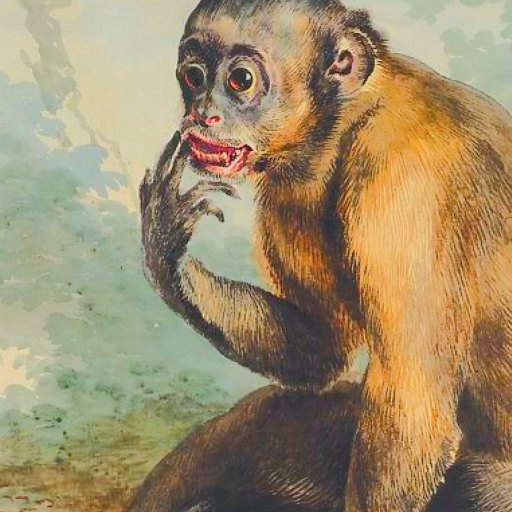
A painting of a brown monkey sitting on the ground with one hand raised to its mouth, looking to the left with a surprised expression.
6mins
He's studied apes for 50 years – here's what most people get wrong.
John Templeton Foundation
human survival
6mins
Humans won’t survive if we stay on Earth. Michio Kaku explains.
Two hands reaching towards each other against a bright blue sky with clouds, subtly exploring why empathy is bad when it leads to emotional overwhelm.
4mins
Not an empathetic person? Here’s why that might be a good thing.
John Templeton Foundation
Illustration of a human brain with a metallic on/off switch embedded in its side, set against a solid dark purple background.
8mins
Having trouble learning? A PhD engineering professor gives you one key tip.
John Templeton Foundation
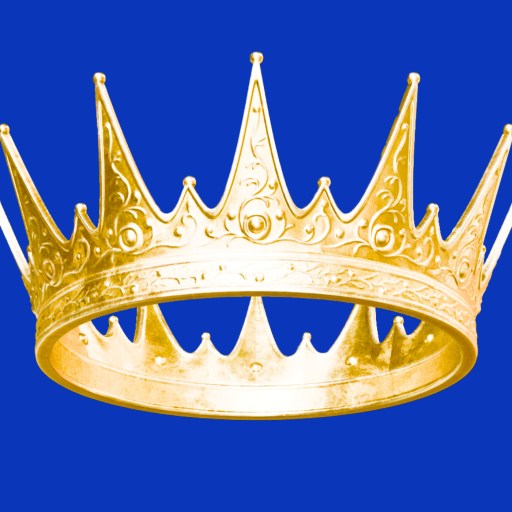
A gold crown with pointed tips and ornate detailing is shown against a solid blue background, symbolizing the evolution of kindness through regal elegance.
4mins
We evolved to be kind – and die for others.
John Templeton Foundation
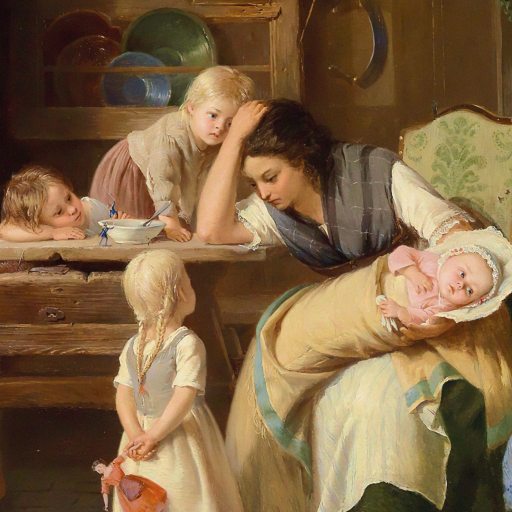
A woman cradles a baby while surrounded by four children in a rustic kitchen, with dishes on shelves and blue sky outside—a heartwarming scene that might inspire thoughts like, should I have kids?.
4mins
Kids don’t always make you happier. Here’s why people have them anyway.
John Templeton Foundation
the power of branding
6mins
Branding isn’t buzz — we’ve been doing it for thousands of years.
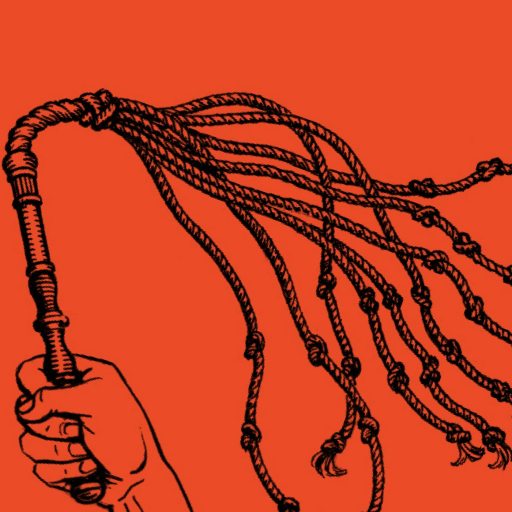
A hand holding a whip with multiple knotted tails against a solid orange background, subtly hinting at themes of discipline and exploring why suffering is good.
5mins
There are two kinds of suffering. One is pure pain. The other makes life worth living.
John Templeton Foundation
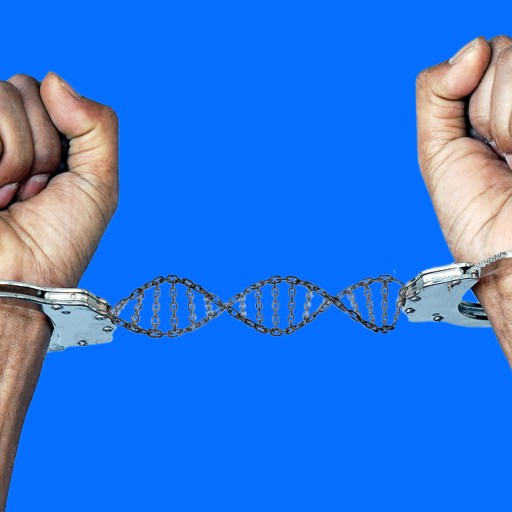
Two hands in handcuffs, connected by a DNA double helix chain, symbolize genome blindness against a solid blue background.
3mins
Eugenics is bad – but understanding DNA is good.
John Templeton Foundation
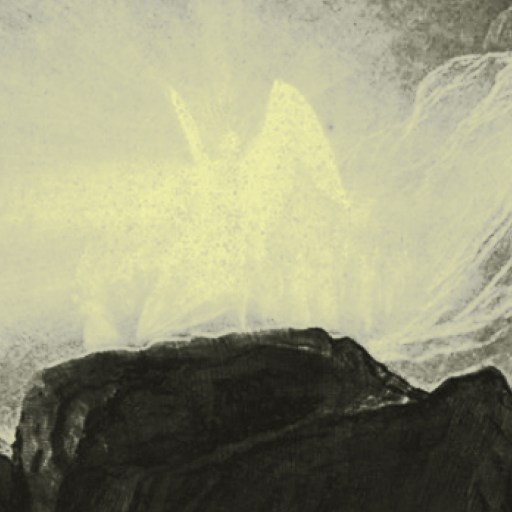
A glowing, radiant figure stands atop dark rocks near a mountain, with bright light illuminating the scene in a monochrome, sketch-like style.
According to author and entrepreneur Steven Kotler, at some point this century, we will confront the prospect of immortality.
John Templeton Foundation
life after near death experiences
Near death experiences change people’s lives – and not always for the better.
Black text on a beige background reads, "YOU ARE NOT YOUR GENETICS," styled like an eye chart with distance markers, challenging the idea that genetics alone define you.
Almost all our school improvements fail. Here’s why.
John Templeton Foundation
Close-up image of a green leaf showing detailed vein structure and texture, capturing the intricate design that highlights the essence of nature versus nurture.
4mins
“If 90% of children had ADHD and only 10% of children could sit still at a desk, how would we design school?”
John Templeton Foundation
A dark background with vertical lines of varying lengths and colors—yellow, blue, and white—arranged in uneven rows and columns, evoking the randomness of the genetic lottery.
We all play the genetic lottery – and the outcome matters a lot.
John Templeton Foundation
boost performance
6mins
You can learn things 250% faster by unlocking your ‘flow state.’
A red flag on top of a gray rock, with the right side dissolving into particles—like automatic habits breaking apart—set against a solid green background.
3mins
The US reduced smoking rates from 50% to 15% with a simple habit hack.
John Templeton Foundation
Illustration of a black hole in space with a glowing accretion disk and a stream of stars or gas being pulled toward it.
According to renowned physicist Christophe Galfard, physics can’t explain our universe – yet.
John Templeton Foundation