

Test Special Issue

Game Change

Do elite athletes really make elite employees?

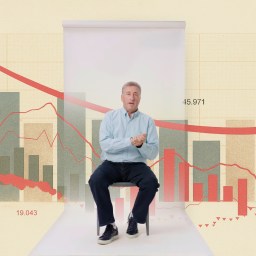
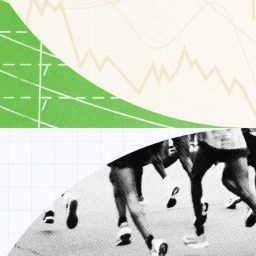
Sports, we tend to assume, offer a sharp-edged reflection of business life in microcosm — leadership under pressure, the winning mentality, valuable lessons drawn from loss. It’s all there. Just kick back with a beer and a pizza and watch your pathway to workplace success unfold on game day. Well, it turns out that the connections are often far more nuanced than we might have presumed. Do elite athletes really make elite employees? What’s the connection between Swedish pragmatics in soccer and a thriving startup culture? Have you factored in the difference between “wicked” and “kind” environments (and what does that even mean)? We investigate all of these pivotal tangents, and much more, in this Big Think special collection of essays, interviews, and curated book excerpts. Forget everything you’ve been told about the synergies between sports and business. It’s time to rewrite the rules.

Blue background with the words "Game Change" in white, surrounded by strategic game symbols and graphs in the background.
Presented by
John Templeton Foundation
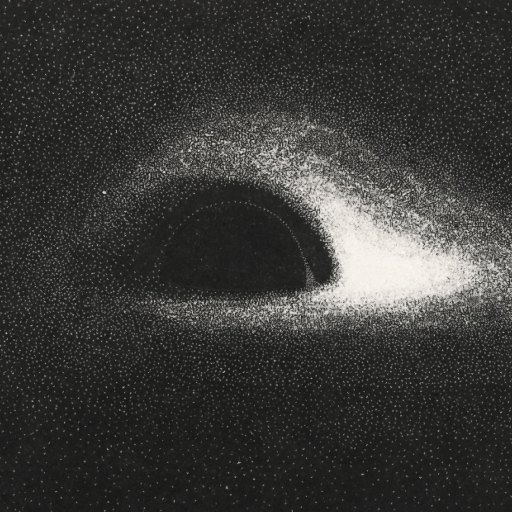
A black-and-white abstract image featuring a dense field of small dots and a central dark oval, evoking the mysterious allure of black holes, surrounded by a lighter, glowing area.
To understand the edges of our universe, we’ll need to explore the edges of our own philosophies.
John Templeton Foundation
Happiness study
3mins
Why studying happiness is good for your “psychological immune system,” explained by Harvard “happiness professor” Tal Ben-Sharar.
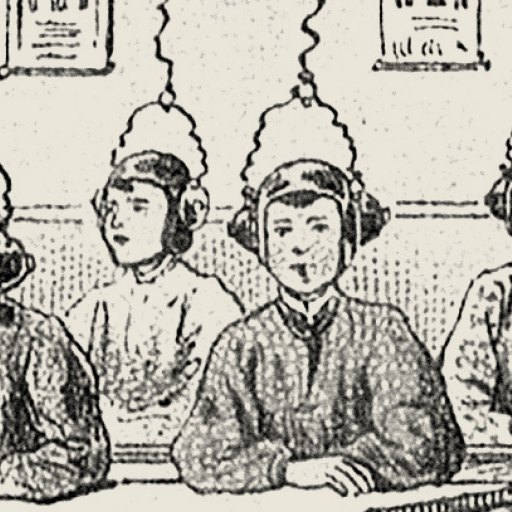
A black-and-white drawing of four students sitting at desks, each wearing helmet-like devices with wires extending upward, as if tapping into their intelligence.
8mins
IQ tests only measure two of the eight intelligences. Howard Gardner explains them all.
John Templeton Foundation
Supervolcano
The 1815 eruption of Mount Tambora is one of the reasons why Bryan Walsh sees supervolcanoes as the” single, biggest threat to the human race.”
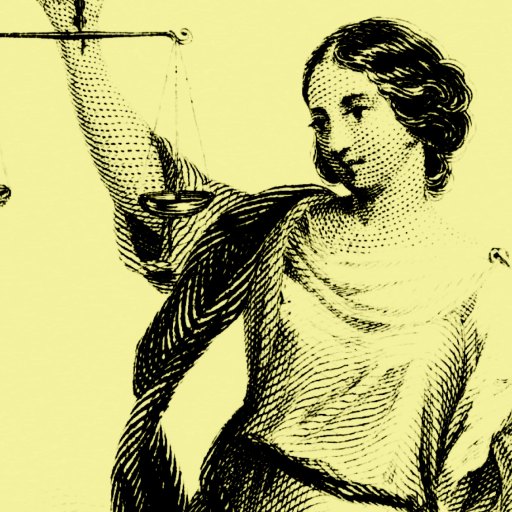
Illustration of a woman holding up a balance scale, symbolizing justice, on a yellow background.
5mins
People rarely question their own moral compass. But do you know what shapes yours?
John Templeton Foundation
The Fearless Girl Statue
No amount of success can overcome imposter syndrome without a mindset geared toward growth.
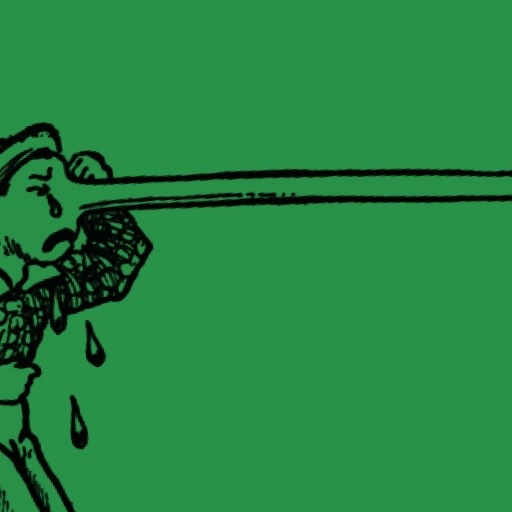
Black line drawing of a person with a long nose, reminiscent of Pinocchio, wiping tears from their face against a solid green background, illustrating the impact of honesty on child development principles.
5mins
These psychological principles can unlock your resiliency.
John Templeton Foundation
white rhino extinction
6mins
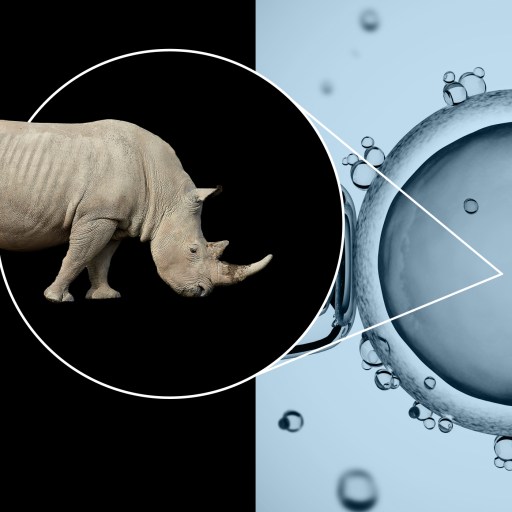
Poachers drove the Northern White Rhino to extinction. One scientist and her “frozen zoo” are on a mission to bring them back.
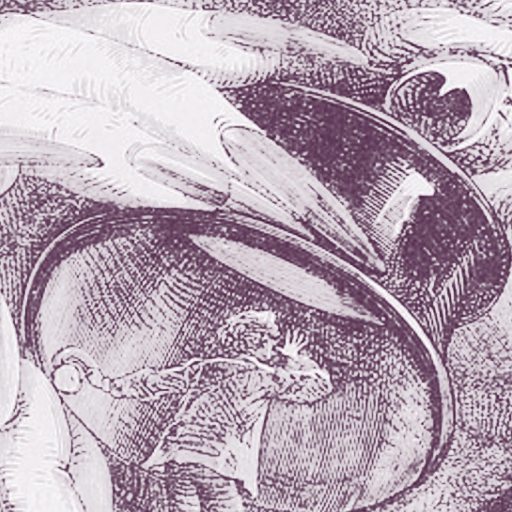
A vintage-style illustration of a man in a suit with a mustache and top hat, the top of his head open as colorful smoke swirls out, symbolizing creativity.
3mins
Anyone can learn from this creativity challenge.
John Templeton Foundation
7mins
It’s not a glitch in the matrix. It’s not the Mandela effect. There’s actually a scientific reason you remember things wrong.
Geometric abstract design featuring overlapping white wireframe curves forming a symmetrical star shape on a black background, evoking the cosmic elegance of the big bang.
Thanks to time-traveling telescopes, we can see more about the Big Bang.
John Templeton Foundation
using viruses as medicine
This Yale researcher is creating an experimental therapy for cystic fibrosis made from viruses – and it’s working.
A man in a suit rides a comet with a face through a star-filled night sky, reflecting on lessons learned from space travel; a top hat floats nearby as the moon smiles in the background.
Astronaut Chris Hadfield shares how living in space has bettered his life on Earth.
John Templeton Foundation
Sleeping beauty sleeps in an enchanted forest.
The road to happiness is indirect and full of frustration.
A person stands in front of a large face, peering into an oversized monocle held by a giant hand, as if searching for traces of free will within the magnified gaze.
5mins
Philosophers have been making the claim that free will is an illusion for hundreds of years. Dr. Uri Maoz shares what modern neuroscience has to say about it.
John Templeton Foundation
recreational drug use
5mins
This man did over 150 drugs to help teach others how to use them safely.
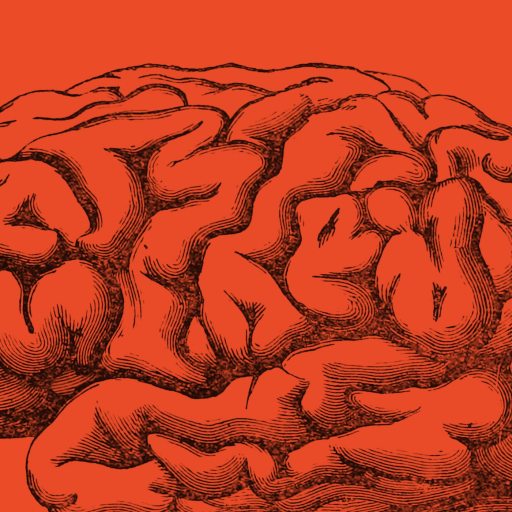
Illustration of a human brain, drawn with black ink lines on a solid orange background, symbolizing intellectual life.
5mins
According to Zena Hitz, the idea of the intellectual has become distorted. She believes “the real thing is something more extraordinary but also more available to us.”
John Templeton Foundation
Think like a Navy Seal
The “Limitless” pill exists, and you already have it in your brain.
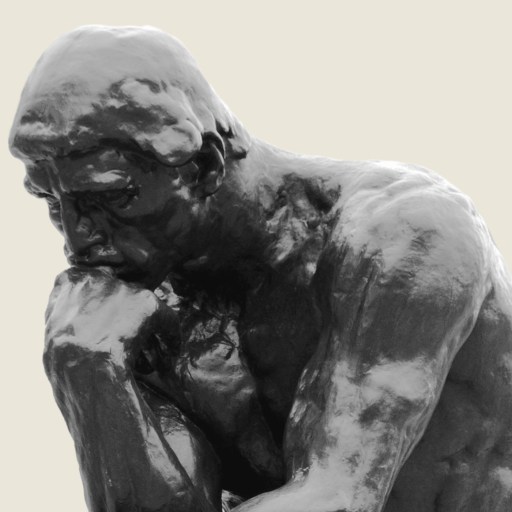
Bronze sculpture of a seated man resting his chin on one hand, appearing deep in thought and embodying genius traits, against a plain background.
2mins
James Gleick, the author of biographies of Isaac Newton and Richard Feynman, discusses what they and other geniuses have in common.
John Templeton Foundation
encoding memory
Humanity's most advanced tech still hasn’t unraveled the mysteries of the human mind. Can brain scans show us how we store memories?