"You can't possibly exaggerate how much better it is to live in a peaceful, orderly society, and to be wealthy, and healthy, and surrounded by people who you love."
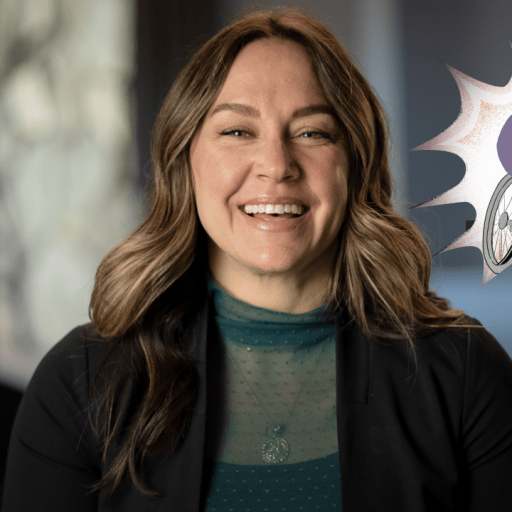
Rediscovering competition in an unexpected place helped her rewrite what was possible — and go on to win gold.
Unlikely Collaborators
“CIA classifies their secrets according to different terminology. There's confidential secrets, there are secret level secrets, and then there are top secret secrets. And the way that they define each of these different levels actually has to do with the impact that would occur if the secret became public knowledge.”

We may be close to finding life beyond Earth. But would we even recognize it if we did? Astrobiologist Betül Kaçar explains what signs NASA is looking for.
“We know that as little as 10 minutes of walking can improve your mood, that is getting that bubble bath with the dopamine, serotonin, endorphins going, anybody can do that.”

From the printing press to the internet, every technological revolution in history has reshaped human thought. Now, with AI accelerating by the day, philosopher Meghan Sullivan asks: Are we ready for the philosophical shift that must follow?
Why do we fall in love with one person over another? The late biological anthropologist Dr. Helen Fisher unpacks the evolutionary roots of romantic love, sex, and attachment. Using research […]
"If we did create beings that were more like non-human animals, we ought to treat them much better than we now treat non-human animals."

“You might as well go for it. You might as well do the thing that you dream about doing for heaven's sake.”

“You can debate all sorts of things about how the texture of American life has changed. What you can't debate is the sheer, objective, existential fact that Americans are more alone than ever.”

These microbes endured the unlivable. The NASA astrobiologist who studies them reveals what that means for us today
"If we're related to every living thing on the planet, do we not have a special responsibility for every living thing on this planet? They are really all our relatives."
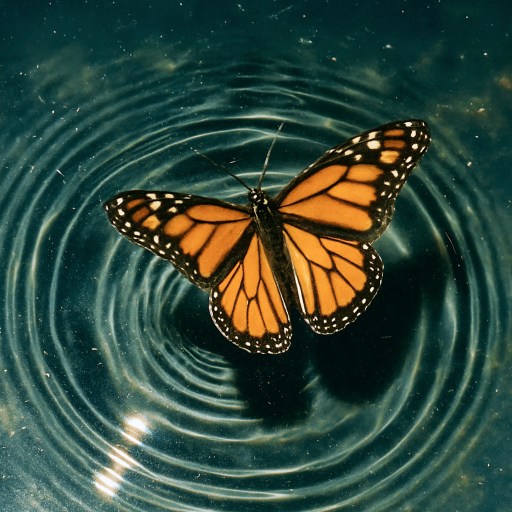
“When you think about this interconnection of all these tiny causes and effects which add up to the way the world unfolds, it becomes impossible to imagine that we have complete control.”
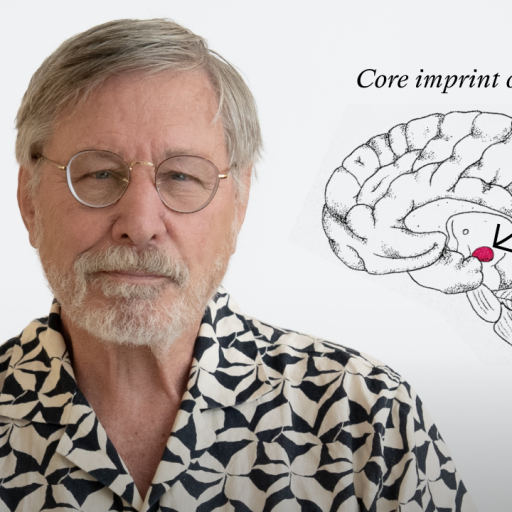
Psychiatrist Dr. Bessel van der Kolk discusses key methods for rewiring the brain, kickstarting the healing process, and opening your mind to new perspectives.
Unlikely Collaborators

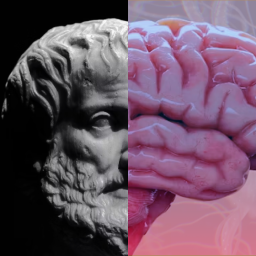
Aristotle thought that a friend you love is considered your ‘second-self’, someone whose pain feels like your own. Philosopher Meghan Sullivan asks, what happens when you extend that kind of love to strangers?
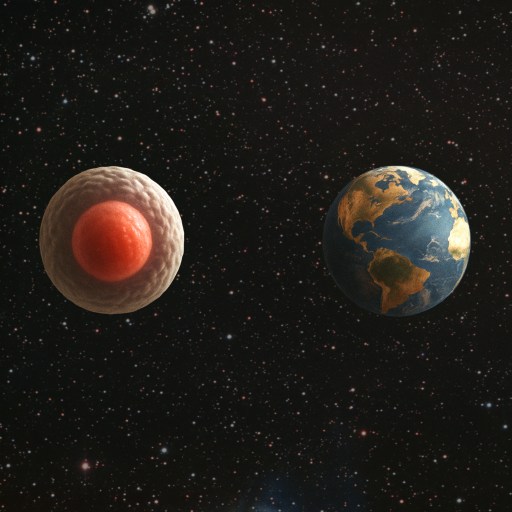
“It's a remarkable series of events that were required for us to be here, and that so many things could have happened in a different way that we wouldn't be here at all, both individually, and as a species.”
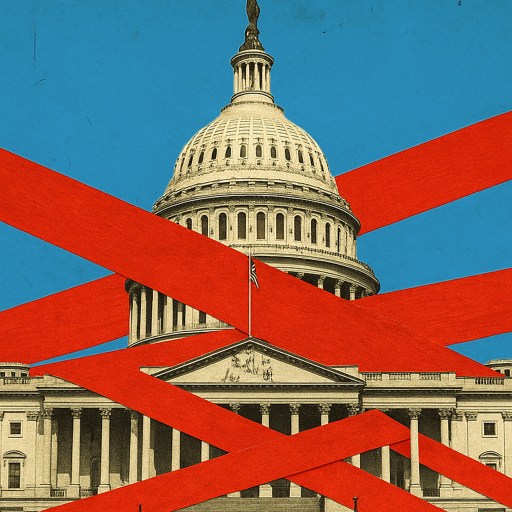
"I'd prefer to think about a different axis, which is, should government be more or less effective? Should government work faster or slower?"
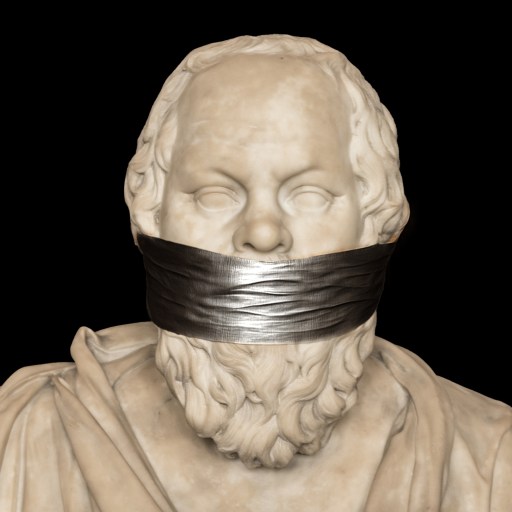
“Even if there are beliefs that we hold that are true, if we prevent people
challenging those beliefs, we will lose our understanding of why they're true.”
“We know that as little as 10 minutes of walking can improve your mood, getting that bubble bath with the dopamine, serotonin, endorphins going. Anybody can do that.”
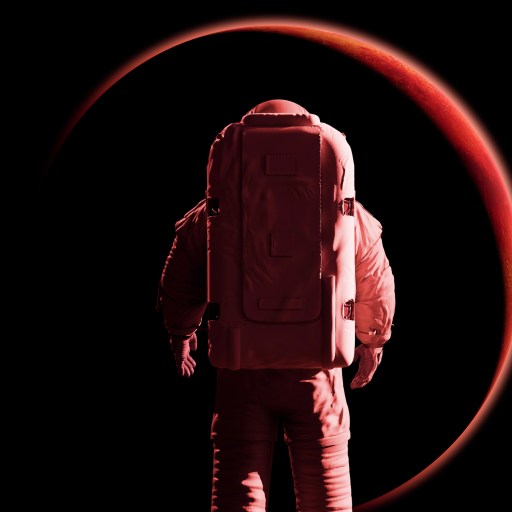
“We are beginning to take our first steps out into the cosmic ocean… and the water seems inviting.”