


Test Special Issue

Game Change

Do elite athletes really make elite employees?

Sports, we tend to assume, offer a sharp-edged reflection of business life in microcosm — leadership under pressure, the winning mentality, valuable lessons drawn from loss. It’s all there. Just kick back with a beer and a pizza and watch your pathway to workplace success unfold on game day. Well, it turns out that the connections are often far more nuanced than we might have presumed. Do elite athletes really make elite employees? What’s the connection between Swedish pragmatics in soccer and a thriving startup culture? Have you factored in the difference between “wicked” and “kind” environments (and what does that even mean)? We investigate all of these pivotal tangents, and much more, in this Big Think special collection of essays, interviews, and curated book excerpts. Forget everything you’ve been told about the synergies between sports and business. It’s time to rewrite the rules.

Blue background with the words "Game Change" in white, surrounded by strategic game symbols and graphs in the background.
Presented by
John Templeton Foundation
4mins
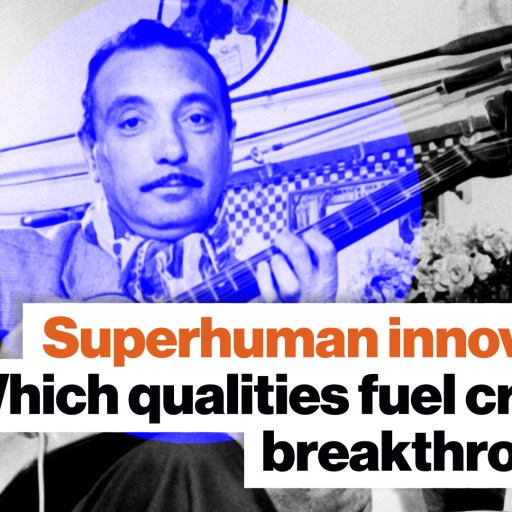
Why Django Reinhardt might just be the greatest musical innovator you've never heard of.
3mins
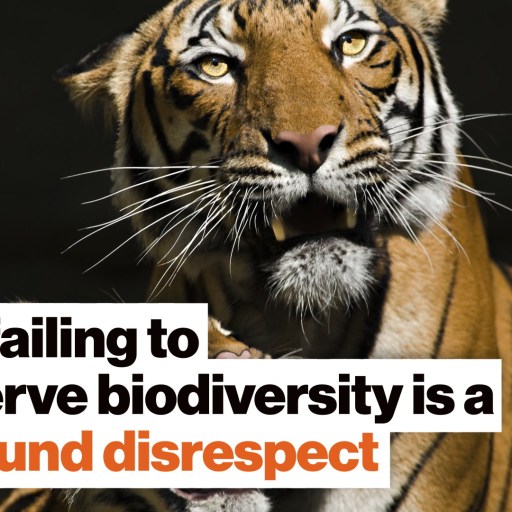
Here are just two of the practical and philosophical crises surrounding biodiversity breakdown.
2mins
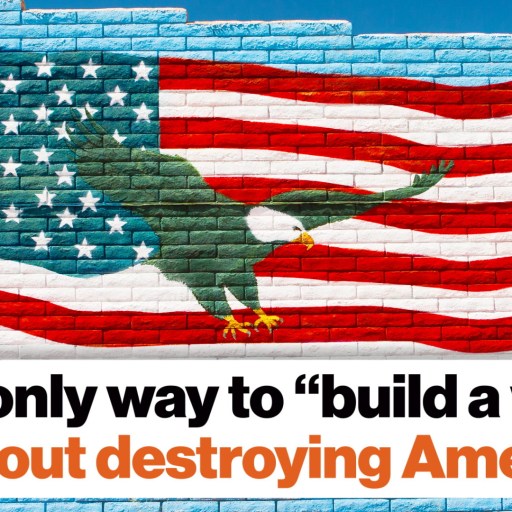
There's more than one kind of wall that we can build. Building the right kind of wall might even be good for the U.S.
3mins
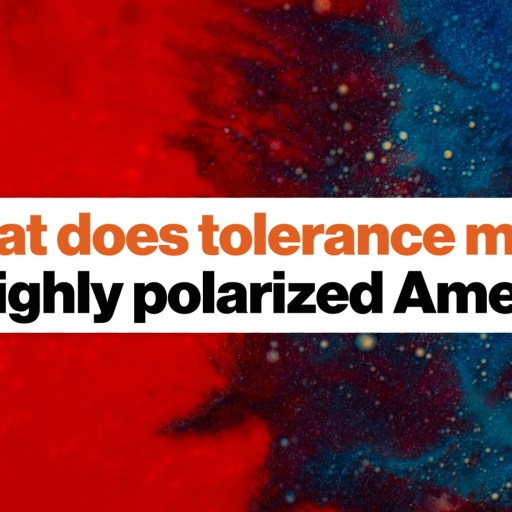
Changing people's minds isn't how we end polarization. Tolerance is the gateway to peaceful coexistence.
Charles Koch Foundation
6mins
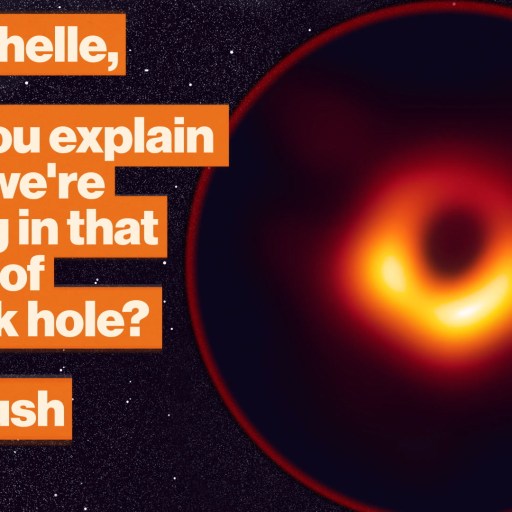
The recent photo of a black hole is something extraordinary. Here's why.
3mins
Does God exist? The answer rests outside the "normal" boundaries of science.
7mins
Symbols are often used to help people get an idea of higher, often ineffable, truths.
5mins
The ice sheets in Greenland and Antarctica are remnants of the ice age. They're also the wild cards of climate science.
3mins
Here's why "glue people" won't get steamrolled by job automation.
4mins
At one point, America needed to be called a Judeo-Christian nation. Now, with growing populations of Muslims, Evangelicals, Sikhs, Atheists, and other faiths, what should America call itself next?
Charles Koch Foundation
5mins
Jonathan Zimmerman explains why teachers should invite, not censor, tough classroom debates.
Institute for Humane Studies
6mins
Don't underestimate the power of play when it comes to problem-solving.
An astrobiologist joins a like-minded global community in ramping up the search.
15mins
Here's how we stop a health crisis before it wreaks havoc on us.
7mins
Gigantic explosions of light are reverberating across the universe.
11mins
There are clues to the future and past trapped in Greenland's ice.
5mins
Michael Pollan explains what goes on during the mental fireworks of a psychedelic experience.
6mins
Former president of the ACLU Nadine Strossen discusses whether our society should always defend free speech rights, even for groups who would oppose such rights.
Charles Koch Foundation
6mins
How do you do justice to the truth in a headline-driven world?
Institute for Humane Studies
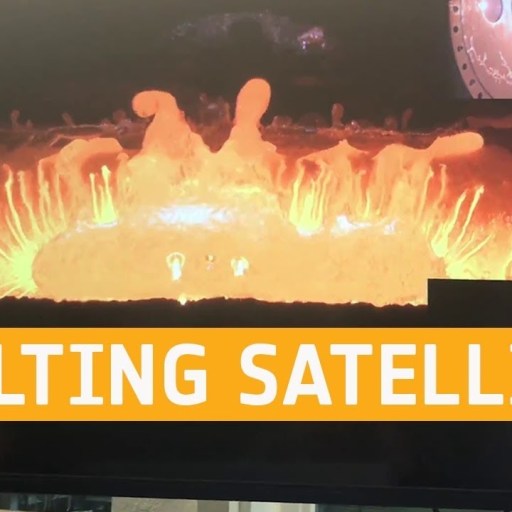
Not every part of a satellite burns up in reentry. Considering the growing number of satellites in orbital space, that's a big problem.