










Test Special Issue

Game Change

Do elite athletes really make elite employees?

Sports, we tend to assume, offer a sharp-edged reflection of business life in microcosm — leadership under pressure, the winning mentality, valuable lessons drawn from loss. It’s all there. Just kick back with a beer and a pizza and watch your pathway to workplace success unfold on game day. Well, it turns out that the connections are often far more nuanced than we might have presumed. Do elite athletes really make elite employees? What’s the connection between Swedish pragmatics in soccer and a thriving startup culture? Have you factored in the difference between “wicked” and “kind” environments (and what does that even mean)? We investigate all of these pivotal tangents, and much more, in this Big Think special collection of essays, interviews, and curated book excerpts. Forget everything you’ve been told about the synergies between sports and business. It’s time to rewrite the rules.

Blue background with the words "Game Change" in white, surrounded by strategic game symbols and graphs in the background.
Presented by
John Templeton Foundation
3mins
Technology may soon grant us immortality, in a sense. Here's how.
A passenger on a California freeway shot a video of a Tesla driver dozing off at the wheel.
5mins
By working together, and learning from one another, we can build better systems.
5mins
The periodic table was a lot simpler at the beginning of the universe.
4mins
Here's why generalists triumph over specialists in the new era of innovation.
5mins
We may not learn and grow beyond the #MeToo era if we keep thinking in black and white, says comedian Pete Holmes.
2mins
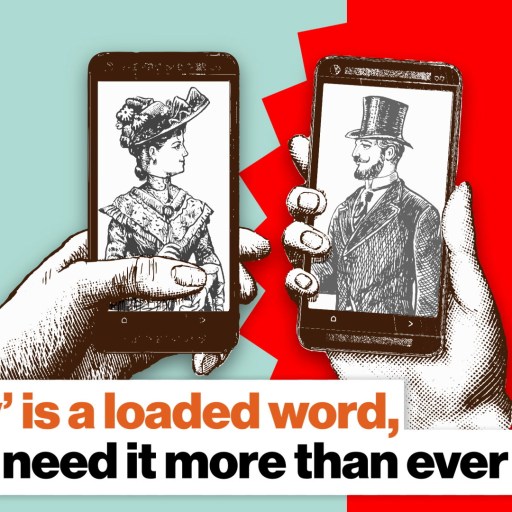
Eli Pariser explains why we can't just think of civility as being polite to one another.
Charles Koch Foundation
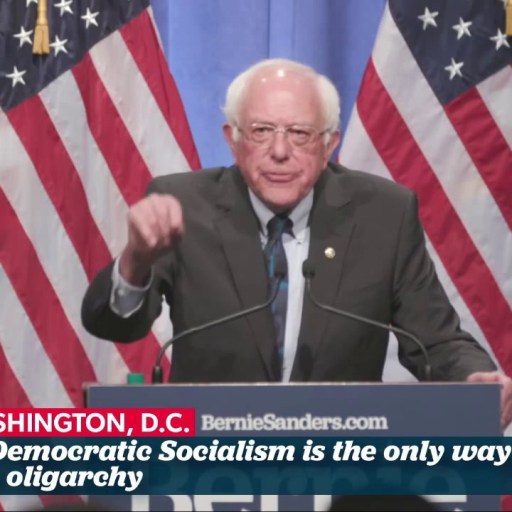
Bernie speaks again about what democratic socialism means, and raises a debate about what freedom is.
4mins
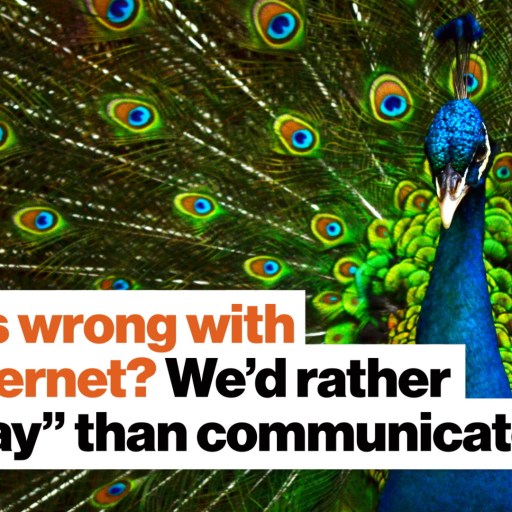
Jonathan Rauch explains why the internet is so hostile to the truth, and what we can do to change that.
Institute for Humane Studies
4mins
Expect emotional warfare where there are high-conflict people.
21mins
Why did government officials stop psychedelics from reaching mainstream culture?
6mins
300 years of industrialization have boosted our IQ scores in one very specific way.
5mins
Here's how we can use the concept of "impact impression" for criminal reform.
Charles Koch Foundation
Templeton Prize winner Marcelo Gleiser on knowledge, the endless frontier.
7mins
When should you censor yourself, and when should you speak up? Emily Chamlee-Wright explains moral philosopher Adam Smith's 'impartial spectator'.
Institute for Humane Studies
This MIT robot solves it faster than any human ever could. It's a world record.
3mins
Rote memorization doesn't cut it for theoretical physicist Michio Kaku. Here's why.
5mins
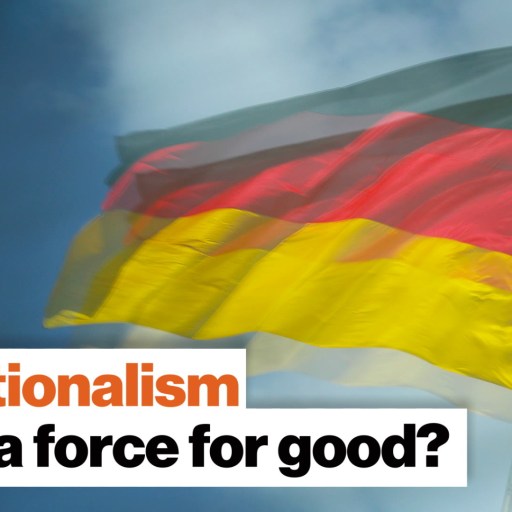
When it comes to leadership, we're quite picky on who we let govern us.