











Test Special Issue

Game Change

Do elite athletes really make elite employees?

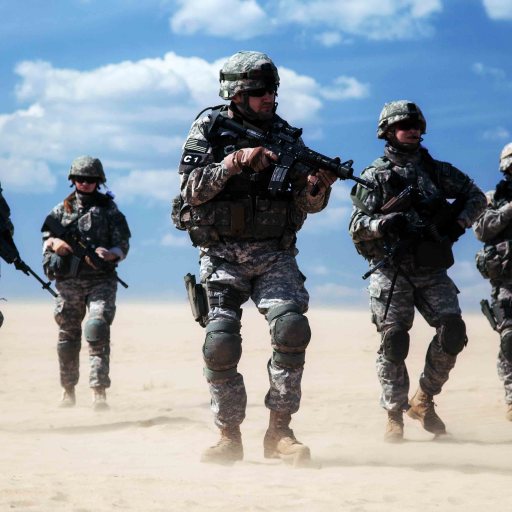
Sports, we tend to assume, offer a sharp-edged reflection of business life in microcosm — leadership under pressure, the winning mentality, valuable lessons drawn from loss. It’s all there. Just kick back with a beer and a pizza and watch your pathway to workplace success unfold on game day. Well, it turns out that the connections are often far more nuanced than we might have presumed. Do elite athletes really make elite employees? What’s the connection between Swedish pragmatics in soccer and a thriving startup culture? Have you factored in the difference between “wicked” and “kind” environments (and what does that even mean)? We investigate all of these pivotal tangents, and much more, in this Big Think special collection of essays, interviews, and curated book excerpts. Forget everything you’ve been told about the synergies between sports and business. It’s time to rewrite the rules.


Blue background with the words "Game Change" in white, surrounded by strategic game symbols and graphs in the background.
Presented by
John Templeton Foundation
7mins
Meridor addresses the rising threats coming out of Iran and what it will take for Israel to intervene militarily in Iran.
2mins
Meridor answers a question about waning U.S. support for involvement in the Middle East by making a case for why involvement is so important.
5mins
Meridor talks about the changing nature of the threat, Hezbollah, Hamas and other ‘non-state’ actors. He proposes multiple solutions to the problem.
2mins
Meridor compares the European approach to terrorism with the approach of the United States.
1mins
Merridor believes that the U.S. must reduce its oil dependency to stabilize the Middle East.
2mins
Meridor supposes that it may be because Muslim societies are struggling to make it in the world and the internal conflict in these societies is being exported to the rest […]
3mins
Meridor identifies the U.S. as the leader for guarding the children of the world in the war on terror.
3mins
Zakheim lays out what his vision of the Iraq War and nation building.
Solving the Israeli-Palestinian issue will not solve the problems in the Middle East, Zakheim says.
1mins
Like Rodney Dangerfield, Russia need sa little more respect.
1mins
Zakheim feels that Jews should not give up on an ancient dream.
Zakheim talks about the difficulty of keeping qualified people interested in government.
2mins
Zakheim talks about the problems of large bureaucracies, missing money at the Pentagon, and Donald Rumsfeld's forgotten legacy.
1mins
Zakheim discusses Islamic fundamentalism in the context of the Jewish and Christian reformations.
1mins
Zakheim talks about what it means to be American.
2mins
Zakheim worries about Russia’s policies it home and its cozy ties to Iran.
2mins
Zakheim lays out his vision for U.S. policy in the Middle East.
1mins
We need allies at home and abroad, says Zakheim.
1mins
Zakheim, on what makes a great president.
1mins
Zakheim talks about the changing values in America and the shifting balance of power in government.