












Test Special Issue

Game Change

Do elite athletes really make elite employees?

Sports, we tend to assume, offer a sharp-edged reflection of business life in microcosm — leadership under pressure, the winning mentality, valuable lessons drawn from loss. It’s all there. Just kick back with a beer and a pizza and watch your pathway to workplace success unfold on game day. Well, it turns out that the connections are often far more nuanced than we might have presumed. Do elite athletes really make elite employees? What’s the connection between Swedish pragmatics in soccer and a thriving startup culture? Have you factored in the difference between “wicked” and “kind” environments (and what does that even mean)? We investigate all of these pivotal tangents, and much more, in this Big Think special collection of essays, interviews, and curated book excerpts. Forget everything you’ve been told about the synergies between sports and business. It’s time to rewrite the rules.

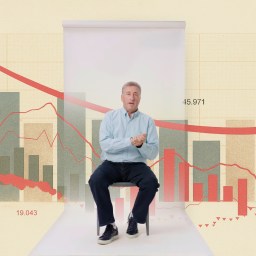
Blue background with the words "Game Change" in white, surrounded by strategic game symbols and graphs in the background.
Presented by
John Templeton Foundation
9mins
Trillin wasn’t the sensitive lad hanging off to the side composing things while the other boys frolicked.
2mins
McCain says we have to track down the people who want to destroy America.
Romney has made a number of lasting friendships along the way.
1mins
Mitt Romney describes the leaders who inspired him in politics.
1mins
Mitt Romney talks about what Mormonism stands for.
1mins
People in Washington care more about power than they do about getting the job done for the American people.
1mins
If you attack America, that you’re gonna get a lot more coming back at you than you ever launched.
Two parties, says Romney, keep us from the extremism of small parties.
3mins
Corn is for feeding people, Kucinich says.
1mins
Dennis Kucinich says he is an underdog running to win.
2mins
How would we view a country that killed 12 million Americans?