


















Small, scrappy start-ups, on the other hand, are forced to bootstrap themselves with almost no money at all. They find a way to market their products & services in ingeniously efficient ways. Contrary to the popular consensus, resource constraints are actually a great way to accelerate the creative process. (There’s actually a whole sub-genre of management thinking out there dedicated to resource constraints on the innovation process).
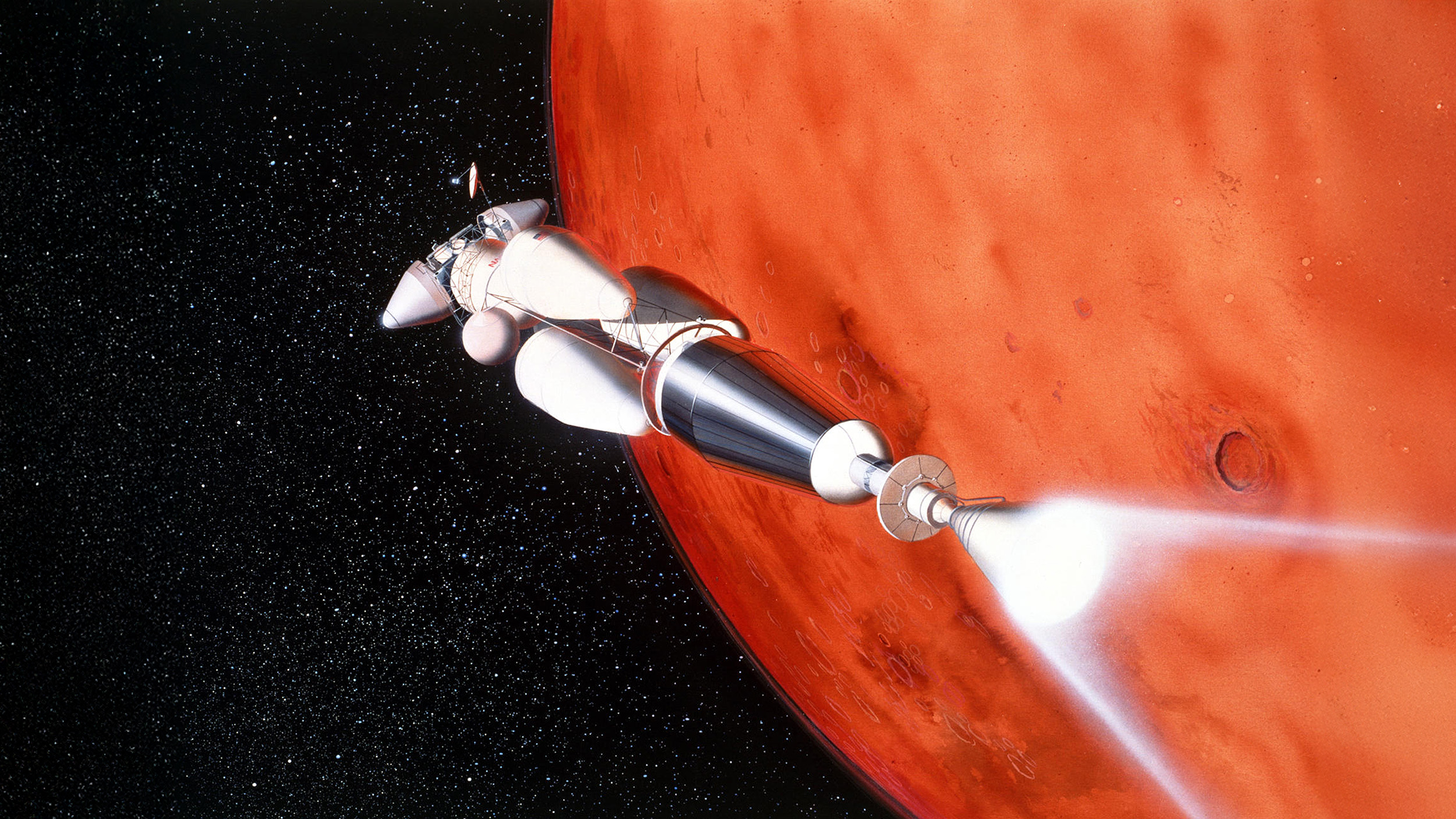
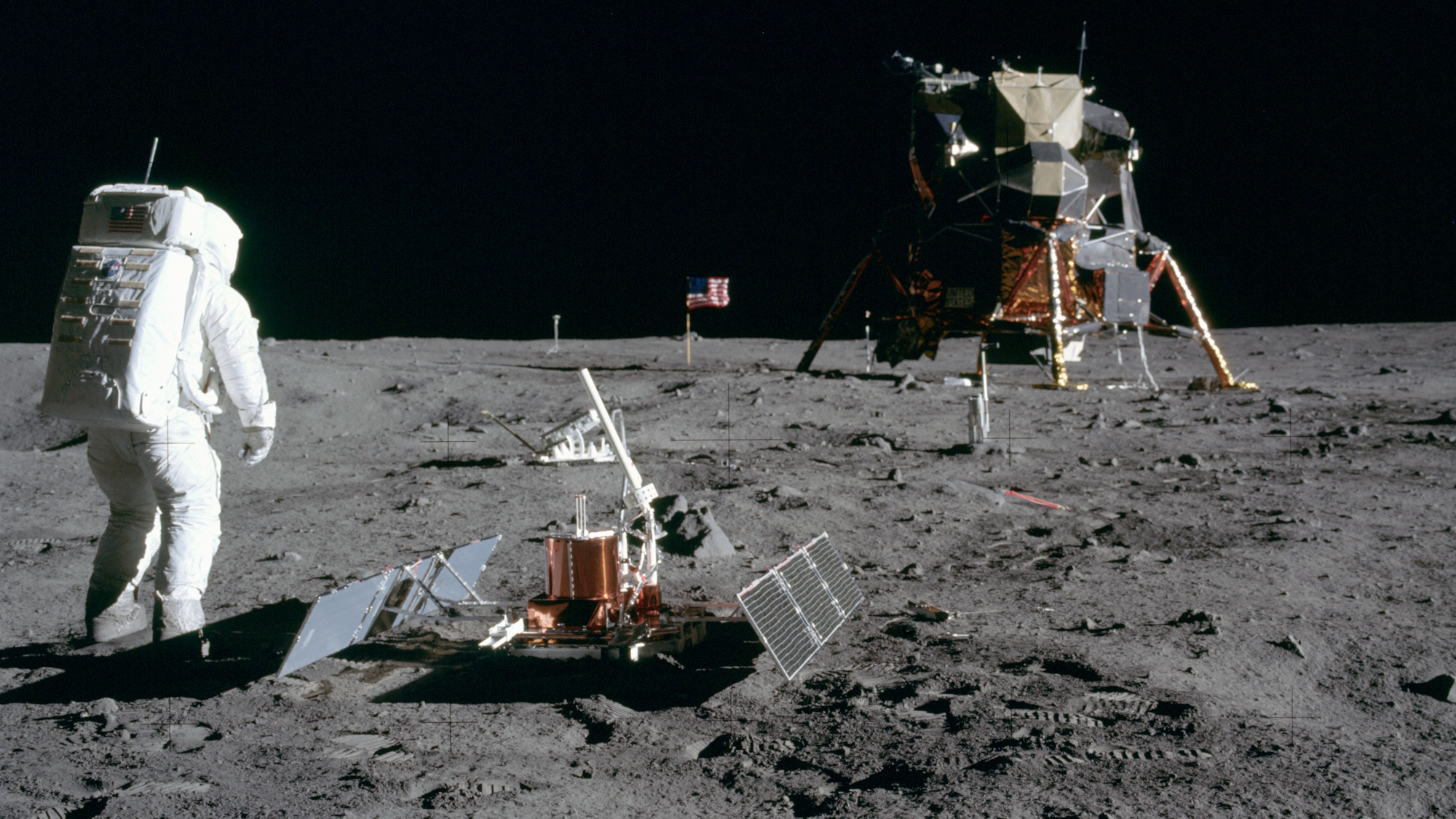
Perhaps one anecdote (perhaps apocryphal) makes all this clear: during the 1960’s, the U.S. space program was desperate to play catch up with the Russians, who had just launched the Sputnik satellite. As a result, the U.S. government was willing to throw dollars at the problem. Millions of (inflation-adjusted) dollars later, the U.S. space program had developed an ergonomically-sound “Astronaut Pen” capable of writing in zero-G conditions. Thrilled, the head of the U.S. space program was eager to show off the new Astronaut Pen to his colleagues. He quickly called a security official within the government: “Tell me, do the Russians have anything close to this?” After a moment’s silence, the reply came back: “We already checked… we found out they’re using pencils…”
Which is to say, it’s possible to produce innovative work with a big budget — but the path to a simpler, more elegant solution usually doesn’t require a lot of money. Necessity, as they say, is the mother of invention.
[image: Bluto from Animal House]
Leadership masterclass: Nike, Jordan, and James Baldwin