














What’s the Big Idea?
With its 13th birthday fast approaching, Google’s going through a patch of mid-life anxiety. That’s right – famously hip and spritely Google, whose employees scoot around the Googleplex on Segways, play ping-pong at will, and unwind after a hectic day with an on-site massage.
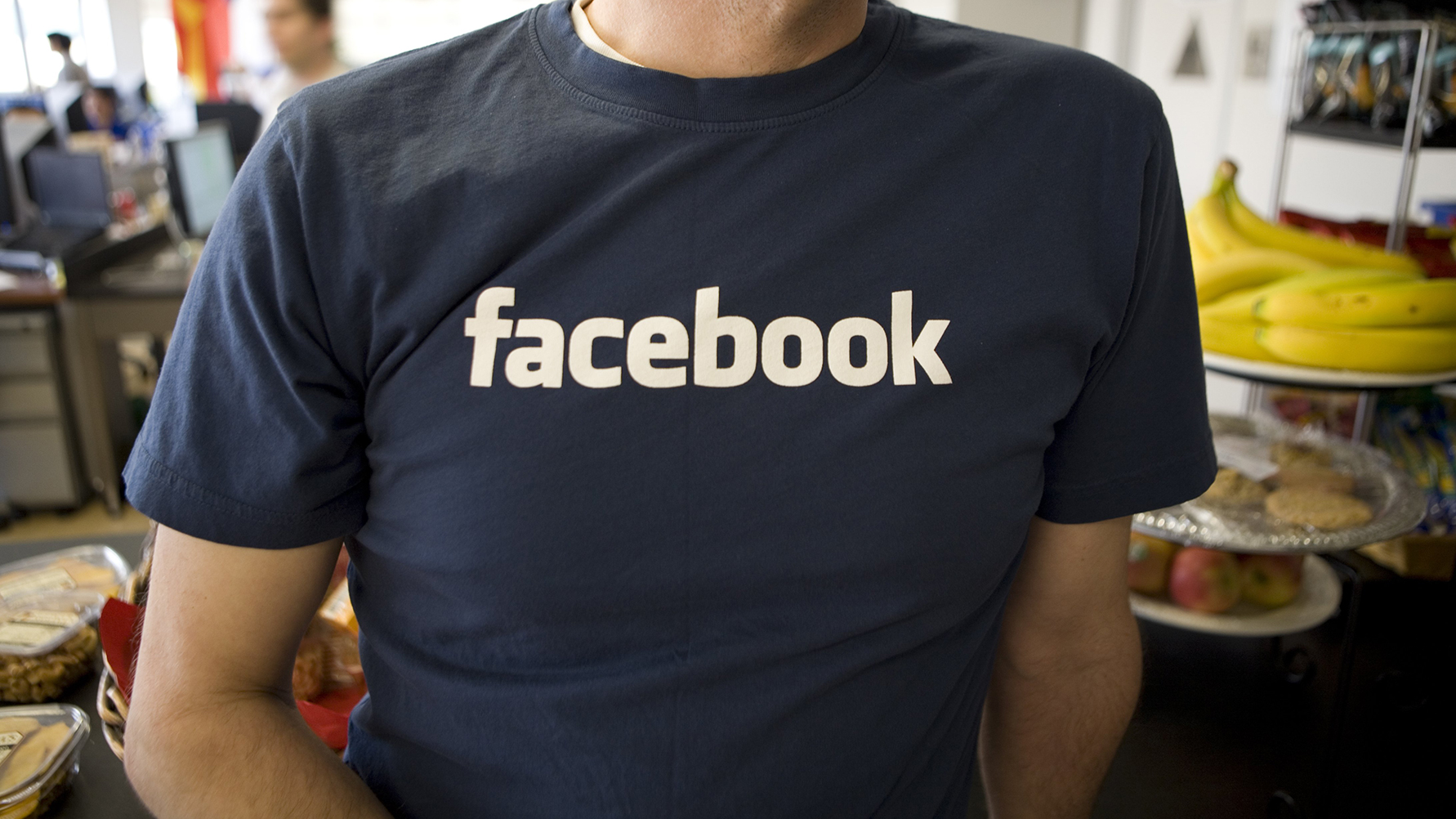
In January 2011, the company switched CEOs, putting co-founder Larry Page back in charge, in an apparent effort to keep the company lithe and edgy. Now, amid the social media boom (or bubble), Google is playing venture capitalist, investing $583 million in the first half of 2011 to hand-pick and nurture startups like HomeAway, a vacation rental site, and Pittpatt, a facial recognition software company. And in a direct challenge to Facebook, Google has just launched Google+, on the premise that “friend” doesn’t quite cover all your online relationships.
The vultures aren’t circling just yet. Valued somewhere in the neighborhood of $200 billion, Google’s still worth about three times as much as Facebook. That puts it in an exclusive club with the likes of CitiGroup, Microsoft, and Proctor & Gamble. But when Facebook goes public in early 2012, the game will most definitely change.
Doug Edwards, author of I’m Feeling Lucky, was there at the beginning.
In January 2011, the company switched CEOs, putting co-founder Larry Page back in charge, in an apparent effort to keep the company lithe and edgy. Now, amid the social media boom (or bubble), Google is playing venture capitalist, investing $583 million in the first half of 2011 to hand-pick and nurture startups like HomeAway, a vacation rental site, and Pittpatt, a facial recognition software company. And in a direct challenge to Facebook, Google has just launched Google+, on the premise that “friend” doesn’t quite cover all your online relationships.
The vultures aren’t circling just yet. Valued somewhere in the neighborhood of $200 billion, Google’s still worth about three times as much as Facebook. That puts it in an exclusive club with the likes of CitiGroup, Microsoft, and Proctor & Gamble. But when Facebook goes public in early 2012, the game will most definitely change.
Doug Edwards, author of I’m Feeling Lucky, was there at the beginning.
Change is what Doug Edwards was seeking when he joined Google back in 1999, as Director of Consumer Marketing and Brand Management. At the time, the company had ten employees. These were the early days of the internet, and dot-coms were popping up everywhere. To Doug, Google looked like an okay place to gain some internet experience before moving on to greener pastures. Its founders, Sergey Brin and Larry Page, were brilliant but hopelessly idealistic. He doubted the company would last more than a year. Five years and 10,000 employees later, Google was keeping Edwards busier than he’d ever been in his life.
A restless, entrepreneurial spirit, Edwards liked to drop, as if by parachute, into radically unfamiliar environments. As an NPR correspondent in Siberia, an online product manager for the San Jose Mercury News, and expatriate for a year in Japan, he had discovered that total disorientation was a powerful learning tool. But Google took even Edwards by surprise. The meteoric pace of its rise, the constantly changing nature of his job description, and the unconventional professional environment kept him working, learning, and playing ping-pong round the clock, plugged-in to the near-messianic passion that has put Google on top of the world.
A restless, entrepreneurial spirit, Edwards liked to drop, as if by parachute, into radically unfamiliar environments. As an NPR correspondent in Siberia, an online product manager for the San Jose Mercury News, and expatriate for a year in Japan, he had discovered that total disorientation was a powerful learning tool. But Google took even Edwards by surprise. The meteoric pace of its rise, the constantly changing nature of his job description, and the unconventional professional environment kept him working, learning, and playing ping-pong round the clock, plugged-in to the near-messianic passion that has put Google on top of the world.
What’s the Significance?
In the end, Doug moved on. In the organizational shake-up surrounding the company’s initial public offering, the role of Brand Manager no longer seemed to fit in, and Doug himself was getting restless, eager for new challenges. Google hired Eric Schmidt as CEO, to provide some “adult supervision” for the company’s transition from scrappy outsider to Wall Street powerhouse, and kept him in that position for a decade.
Now Google finds itself needing to pull a Doug Edwards – to parachute into new territory and reignite the inventive passion that made it great. Its experiments in self-rediscovery, whether they succeed or fail, will provide powerful lessons for disruptors and dinosaurs in every industry, as they struggle to stay relevant in a volatile and accelerating global marketplace.
Now Google finds itself needing to pull a Doug Edwards – to parachute into new territory and reignite the inventive passion that made it great. Its experiments in self-rediscovery, whether they succeed or fail, will provide powerful lessons for disruptors and dinosaurs in every industry, as they struggle to stay relevant in a volatile and accelerating global marketplace.
Special Issue
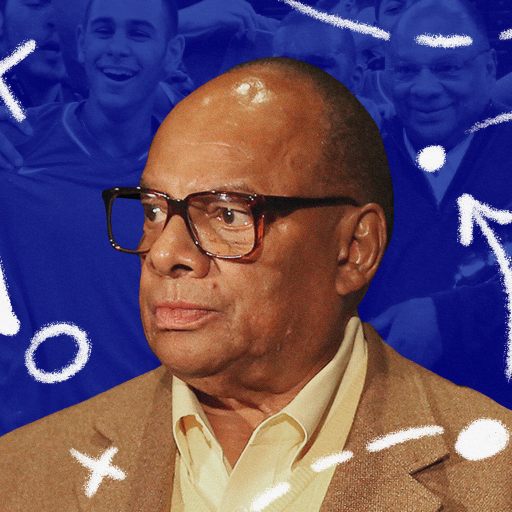
Leadership masterclass: Nike, Jordan, and James Baldwin
George Raveling — the iconic leader who brought Michael Jordan to Nike — shares with Big Think a lifetime of priceless wisdom learned at the crossroads of sports and business.
14 articles