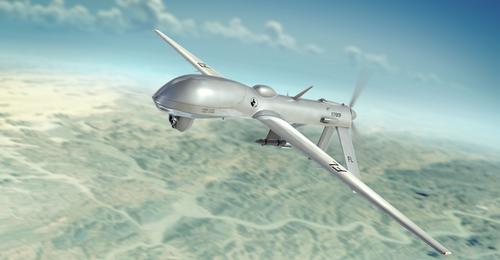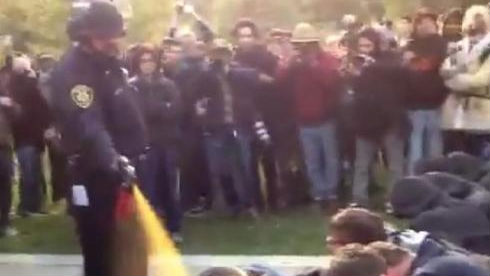



















The moral and legal debate over the use of military drone aircraft has sparked up again, raising questions about how adequately the current laws of war have been adapted to the age of terrorism. “To negate the tactical advantages abusive civilians have and to minimize our casualties, we must attack them whenever we can find them, before they attack us,” writes Amitai Etzioni, professor of international relations at The George Washington University. Drone strikes, he writes, “are a particularly well-suited means to serve this goal.”
Search
Laws and Drones
The moral and legal debate over the use of military drone aircraft raises questions about how adequately the current laws of war have been adapted to the age of terrorism.
The moral and legal debate over the use of military drone aircraft has sparked up again, raising questions about how adequately the current laws of war have been adapted to the age of terrorism. "To negate the tactical advantages abusive civilians have and to minimize our casualties, we must attack them whenever we can find them, before they attack us," writes Amitai Etzioni, professor of international relations at The George Washington University. Drone strikes, he writes, "are a particularly well-suited means to serve this goal."
Special Issue
George Raveling — the iconic leader who brought Michael Jordan to Nike — shares with Big Think a lifetime of priceless wisdom learned at the crossroads of sports and business.
14 articles