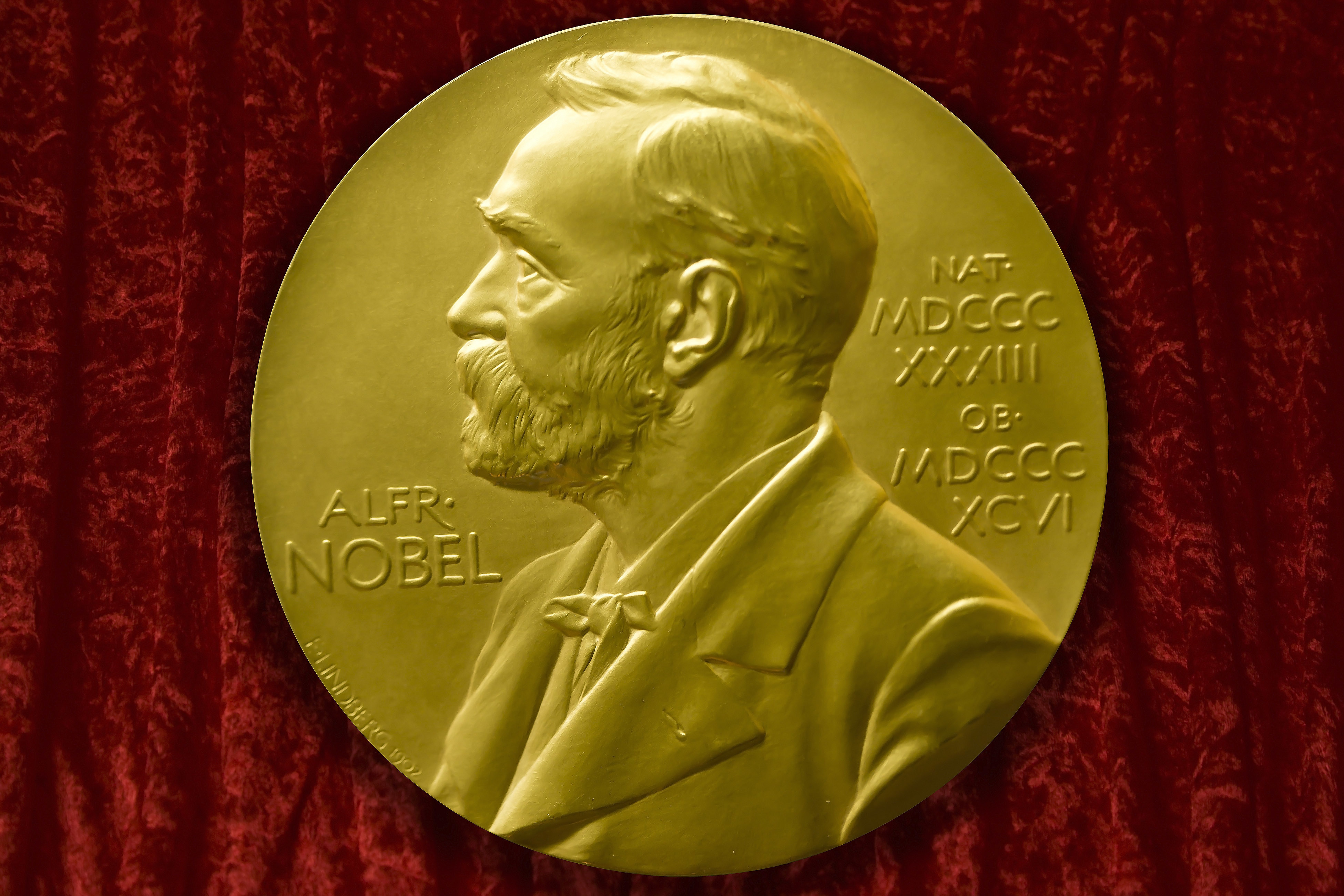














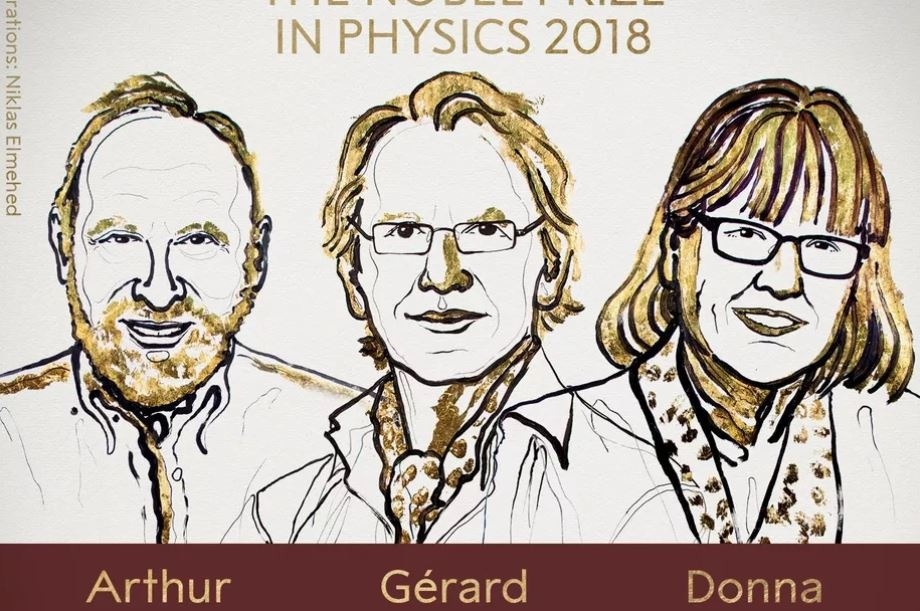
The 2018 Nobel Prize in physics has been awarded to three physicists, including one female, for their work in advancing laser science. It marks the third time a woman in physics has won the award.
Donna Strickland, a professor at the University of Waterloo in Canada and self-described ‘laser jock‘, shares the award and a $1 million prize with Arthur Ashkin, a retired American physicist, and Gerard Mourou, a professor at the École Polytechnique in France and University of Michigan.
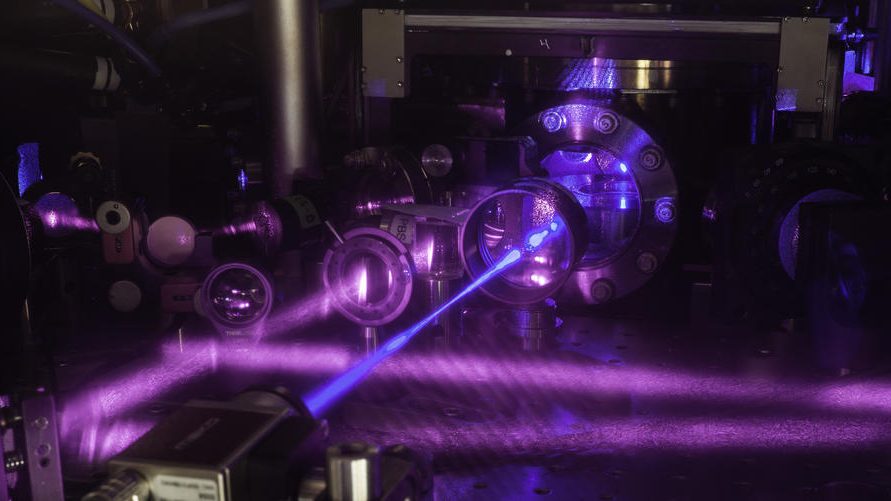
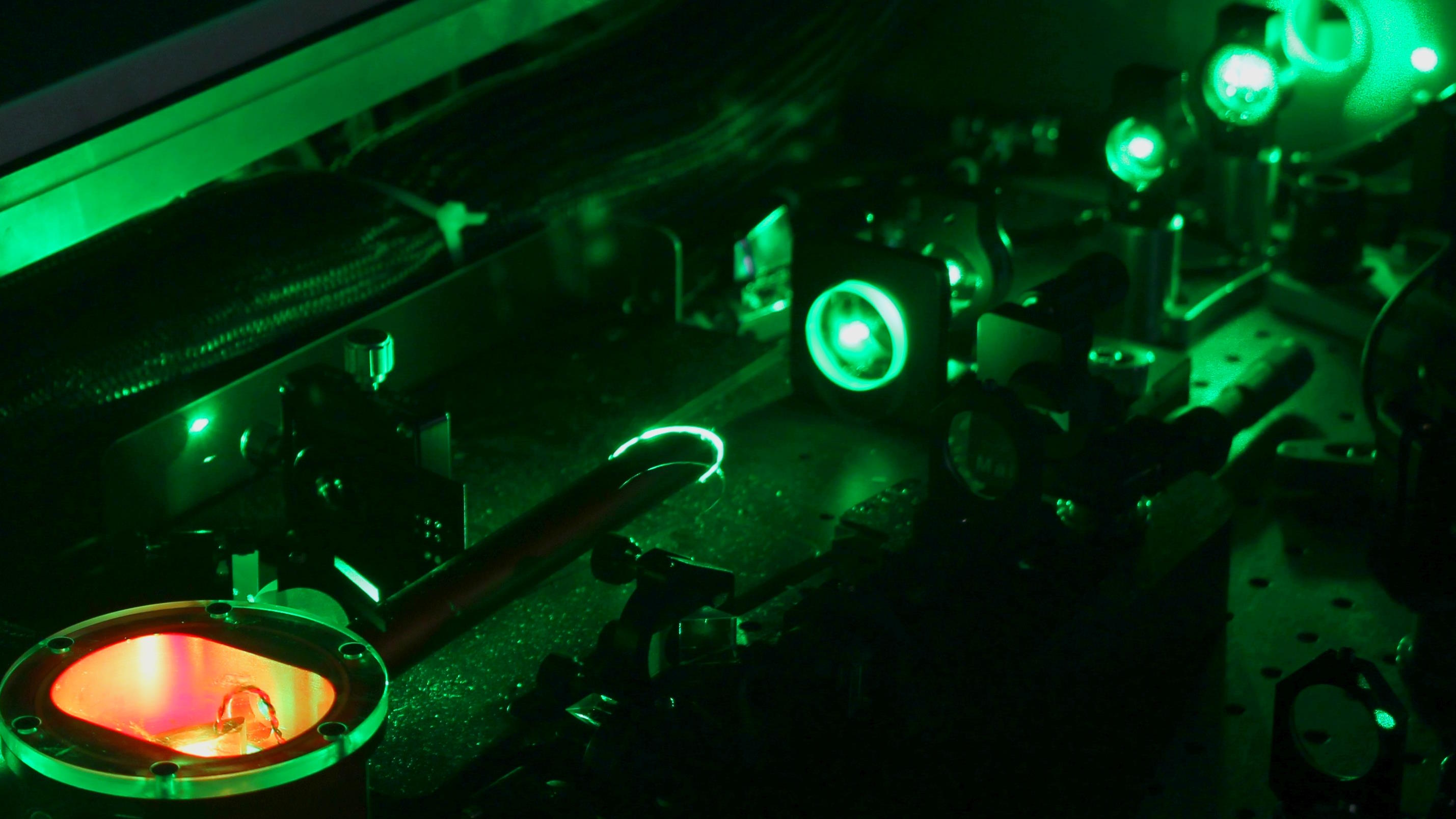
In the 1980s, Strickland and Mourou developed a technique called chirped pulse amplification, which produces ultra-short and “ultra-sharp” laser pulses through a three-part process that involves stretching, amplifying and compressing a laser beam. The pair outlined their landmark research, which led to the development of many medical tools including those used to perform laser eye surgery, in a 1985 paper. It was Strickland’s first time being published.
Ultra-sharp laser beams make it possible to cut or drill holes in various materials extremely precisely – even in living matter. Millions of eye operations are performed every year with the sharpest of laser beams.#NobelPrizepic.twitter.com/MiYb4i8AHw
— The Nobel Prize (@NobelPrize) October 2, 2018
Ashkin was awarded the Nobel Prize for developing laser tweezers (or optical tweezers), now a widely used technology that allows scientists to manipulate atom-sized objects by focusing laser beams on them.
"Dr Ashkin's work on optical tweezers could be something out of a sci-fi book," Clara Nellist, particle physicist at the ATLAS experiment at CERN, told Gizmodo. "He took the idea of a tractor beam and shrunk it down to the microscopic scale in order to be able to capture individual viruses and bacteria."

Leadership masterclass: Nike, Jordan, and James Baldwin