




















Search
5mins
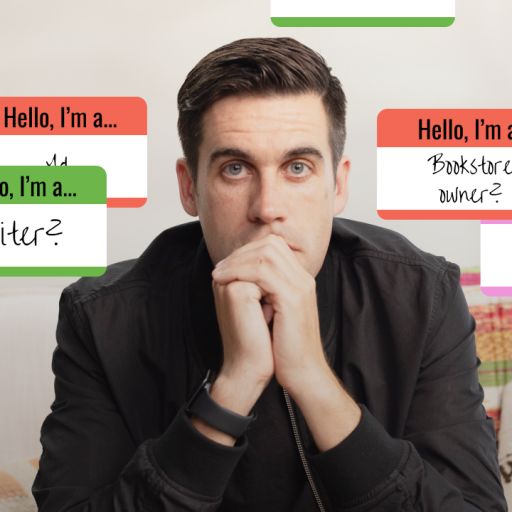
How the successful marketer used ancient philosophy to overcome modern obstacles and change his mindset.
Unlikely Collaborators

4mins
“Part of what's happening now in the world is tension between organic animals and an inorganic digital system which is increasingly controlling and shaping the entire world.”

6mins
Can creativity really change the world? Creativity Pioneers argue that it can. By using art, culture, and imagination, these innovators are tackling some of the most pressing social issues of […]
Moleskine Foundation

7mins
“The problem with conspiracy theories is they're not just telling you a story, they're telling you a really good story. There's a hidden cabal behind everything that's happening, there's a secret pattern that you just have to be smart enough to detect.”
6mins
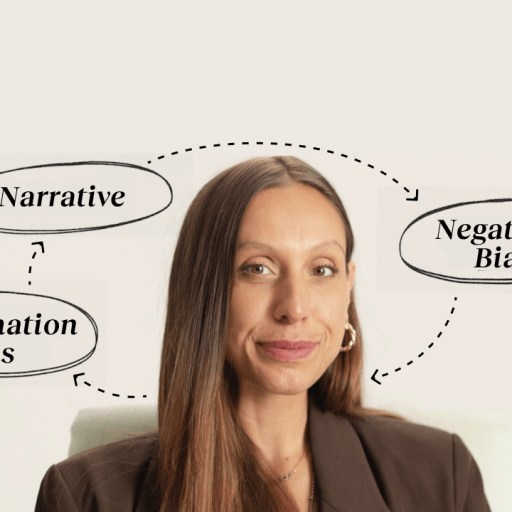
We're all assigned a label at some point in our lives. You might be the smart one, the creative one or the lazy one. But is that designation really an […]
Unlikely Collaborators

1hr 15mins
“Why is it that the quality of our information did not improve over thousands of years? Why is it that very sophisticated societies have been as susceptible as stone age tribes to mass delusion and the rise of destructive ideologies?”

7mins
“When we face a problem, our natural tendency is to race ahead – but some friction is actually a good thing.”
7mins
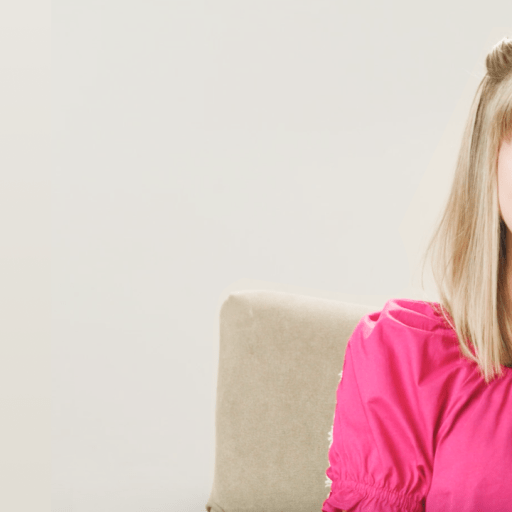
Kaelynn Partlow shares her story about life with autism, ADHD, and dyslexia, and how finding the right diagnosis helped her embrace her neurodivergent identity.
Unlikely Collaborators

7mins
“I'm often asked: “Are great strategic thinkers born, or are they made?” And my answer is always yes. Like so many human capabilities, it’s a mixture of nature, nurture and experience.”
6mins
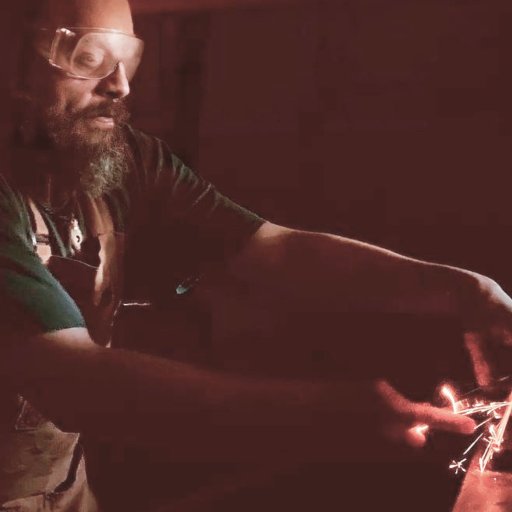
Through woodworking, John Furniss, known as The Blind Woodsman, discovered a new purpose and a way to share his vision with the world.
Unlikely Collaborators

8mins
Eric Siegel, Co-Founder & CEO, Gooder AI, argues machine learning (ML) projects go astray because their stakeholders focus too often on the technological fireworks — the “rocket science” of predictive models.

5mins
“If we didn't find helping other people pleasurable, we wouldn’t be altruistic.”

6mins
“People will claim that something is rigorous because it's by an authority figure or it's written in a book. But anyone can write a book.”

7mins
Expanding your worldview starts with understanding your brain. Stanford neuroscientist David Eagleman explains.
Unlikely Collaborators

3mins
From nothing to everything: How zero changed our understanding of the universe, forever.

5mins
Who decides what’s “normal” and why? As social norms increasingly dissolve, here’s how to find true guidance.

1mins
What would the world be like if we focused on “the inherent beauty of math,” rather than its technical aspects? A statistician reflects:

8mins
How can ancient philosophical wisdom guide us in ensuring that artificial intelligence enhances human flourishing rather than diminishing it?
Cosmos Institute
2mins
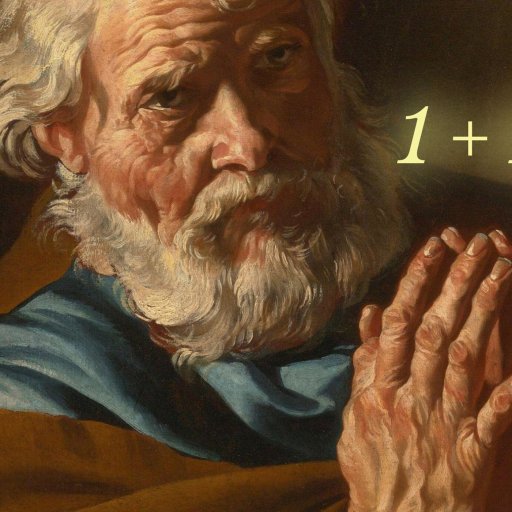
Statistician Talithia Williams on how math is the clearest path to understanding our existence.

7mins
The winners of the remote work boom? Utah, Arizona, and Maine. Here’s what the US’ post-pandemic migration looks like.