




















Search


4mins
What if AI could tell us we have cancer before we show a single symptom? Steve Quake, head of science at the Chan Zuckerberg Initiative, explains how AI can revolutionize science.
Chan Zuckerberg Initiative
6mins
Biology plays an important role in emotional reactions, but neuroscientist Kristen A. Lindquist posits that our culture is just as influential.
Unlikely Collaborators

8mins
He revolutionized hospitality, twice. Chip Conley shares his secrets to being able to evolve in an ever-changing world.
6mins
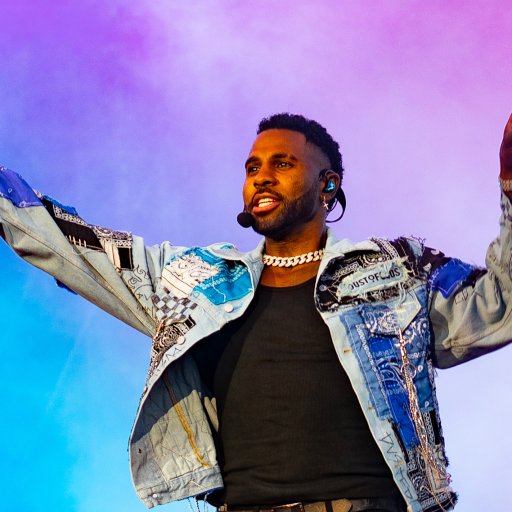
Over 250 million records sold and more than 70 platinum hits later, Jason Derulo sits down with us to talk about goals, insecurities, and why he still doesn’t feel like he’s “made it.”
Unlikely Collaborators

8mins
Eastern religion meets Western psychology: meet the Harvard professor who’s also a Zen priest as he explains how to relieve suffering using both faith and neuroscience.

29mins
Four visionaries—Kevin Kelly, Peter Schwartz, Ari Wallach, and Tyler Cowen—share their insights on the future, urging viewers to consider the impact of their actions on future generations.

6mins
People are living longer than ever, challenging our assumptions around milestones like retirement. Economist Lynda Gratton explains a “multi-stage life,” and how retiring later isn’t necessarily something to fear.
6mins
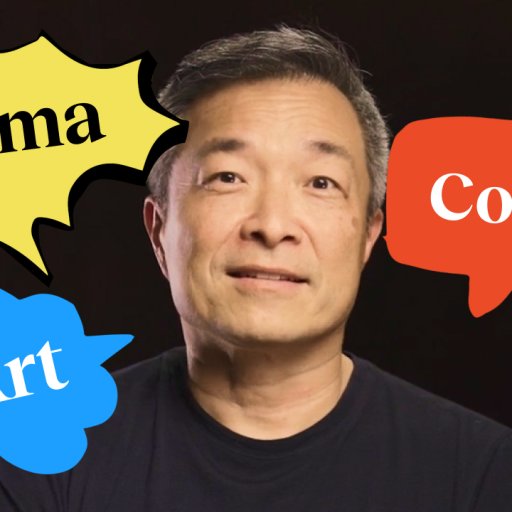
Jim Lee, President, Publisher, and Chief Creative Officer of DC Comics, tells us how his childhood obsession with Superman changed his life.
Unlikely Collaborators
35mins
Kmele talked with a planetary scientist, a physicist, and a futurist, to understand how visionaries across disciplines are thinking about the future of our planet and humankind.
6mins
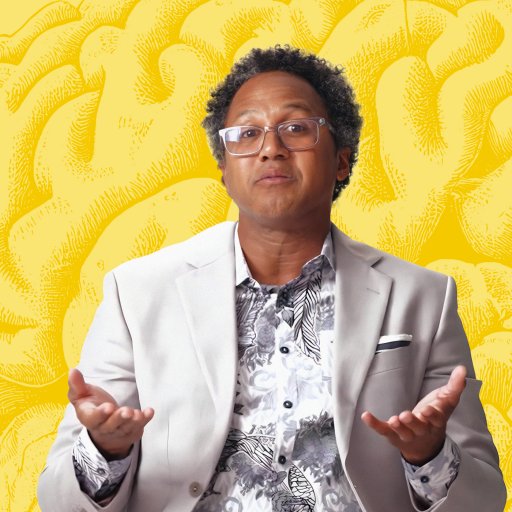
There are three kinds of memory that all work together to shape your reality. Neuroscientist André Fenton explains.
Unlikely Collaborators

31mins
Filmmaker Godfrey Reggio, rock icon Steve Albini, and comedian Fred Armisen told Kmele how they make sense of the world — and leave their mark on it.

6mins
Quiet quitting, The Great Resignation, burnout: there are a ton of buzzwords to describe how modern work culture is broken. Now that we know what the problems are, how do we fix them? Tiffani Bova shares how employers can heal their relationship with their employees.

43mins
Consciousness isn’t just a problem for philosophers. On this episode of Dispatches, Kmele sat down with scientists, a mathematician, a spiritual leader, and an entrepreneur, all trying to get to the heart of “the feeling of life itself.”
6mins
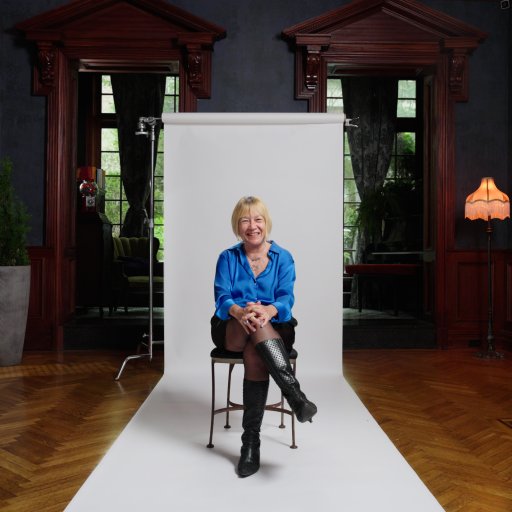
MakeLoveNotPorn founder Cindy Gallop says women need to stop giving a damn what people think.
Unlikely Collaborators

1hr 2mins
You know ChatGPT, but how much do you know about the company that made it? Journalist Karen Hao joins us to talk OpenAI’s latest implosion.

8mins
Fraud is a $5 trillion “industry.” But not all its perpetrators look alike. Kelly Richmond Pope, a professor of accounting, breaks down who commits fraud — and why.

6mins
It just takes one “yes.” Wharton professor Jonah Berger shares his three tips for getting what you want from others.

Acclaimed psychiatrist Bessel van der Kolk, author of “The Body Keeps The Score,” discusses the widespread existence of trauma and how it settles in our bodies.

36mins
Are we the stories we tell? Kmele sat down with legendary conservationist Jane Goodall, actor Terry Crews and psychologist Dan McAdams to discuss how humanity makes its meaning.

10mins
Bo Seo, Esther Perel, and Dan Shapiro share their tips for arguing better.