




















Search
Mind & Behavior
Study the science of how we think, feel, and act, with insights that help you better understand yourself and others.
6mins
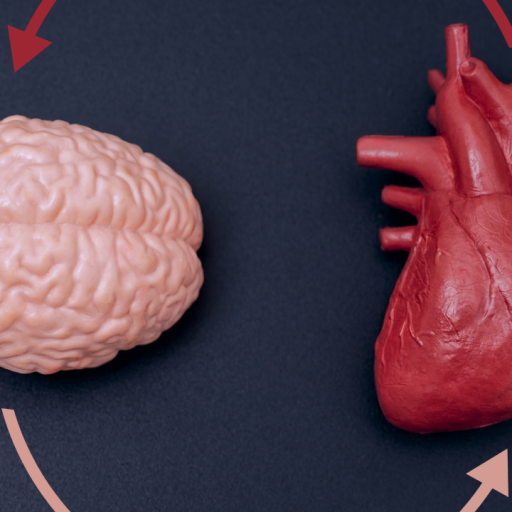
You've heard of the mind-body connection. But have you ever actually tried to understand your own? Three scientists break down the feedback loop running your brain and body — and what becomes possible when you learn to use it.
Unlikely Collaborators
6mins
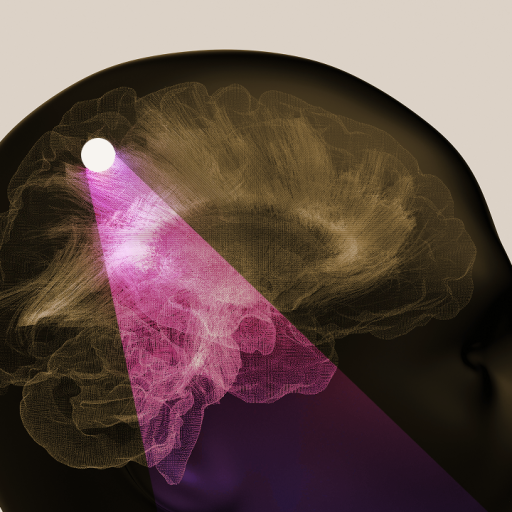
The voice in your head feels like your own, but it’s actually constructed by neurological processes. Three experts explain how this system shapes both perception and identity.
Unlikely Collaborators

4mins
Have you ever woken up after a dream and thought to yourself, “That made absolutely no sense”? According to modern neuroscience, there’s a reason why dreams feel so abstract and bizarre. Two sleep experts discuss.
Unlikely Collaborators

1hr 7mins
Members
Neuroscientist David Linden sheds light on the biology behind phenomena that medicine has long struggled to explain, from voodoo death and broken heart syndrome to the placebo effect, and why grief shows up in autopsy results

4mins
Americans believe they can outthink suffering. Historian Kate Bowler explains how our obsession with self-help, optimization, and positivity became a kind of secular religion.

7mins
Jim Al-Khalili explains how the past and future are more fluid than we may think.

13mins
Jim Al-Khalili introduces the technologies emerging from the second quantum revolution.

18mins
Abigail Marsh unpacks what defines psychopathy, how it differs from antisocial behavior, and why terms like “sociopath” only add confusion.

19mins
"I call it a tyranny of attention because there's so many demands on our attention coming from so many different directions that we are simply overwhelmed and we don't have the mental bandwidth to cope with it."

3mins
Toxic positivity isn’t optimism. It’s denial. Historian Kate Bowler explains why our obsession with “good vibes only” is making it harder to cope.

58mins
Alain de Botton argues that our romantic lives are shaped more by the emotional patterns we learned in childhood than by destiny.

6mins
Happiness collapses the moment hardship arrives. Joy doesn’t. Historian Kate Bowler explains why joy can coexist with pain — and why that makes it a stronger, more fulfilling emotion.

53mins
Members
“Our conscious awareness is everything. And the fact that it's still so mysterious to scientists and to all of humanity, the fact that it's still one of the great unsolved mysteries makes it something that everyone can be excited about and that inspires awe in everyone.”

1hr 23mins
Why social media is the perfect recipe for kids to become addicted to their smartphones.

7mins
Members
We tend to trust our intuitions about consciousness because they feel immediate and personal, but feeling convinced is not the same as being right. Annaka Harris explores what happens when […]

25mins
"I continue to believe that in the long run, boys, young men will believe their eyes more than their ears."

25mins
"The big question then is why are most people resilient and why are some people not resilient?"

16mins
"Being connected to another person makes us feel safer and keeps our bodies at a kind of physiologic equilibrium that promotes health."
2mins
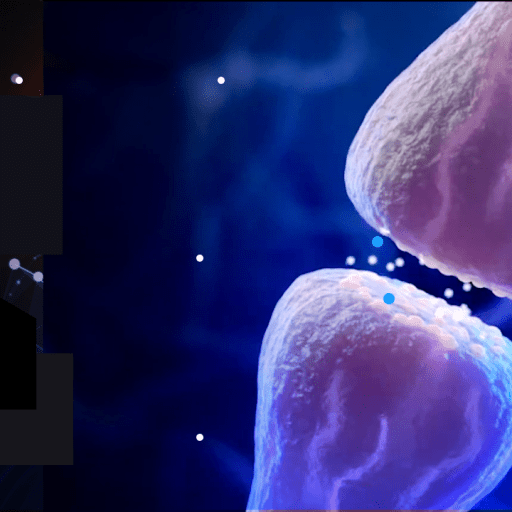
Our brains weren’t built for the amount of info we deal with now. That’s why scientists have made the case for a “second brain” — a place to dump ideas so you can actually see how they connect later.
Unlikely Collaborators
12mins
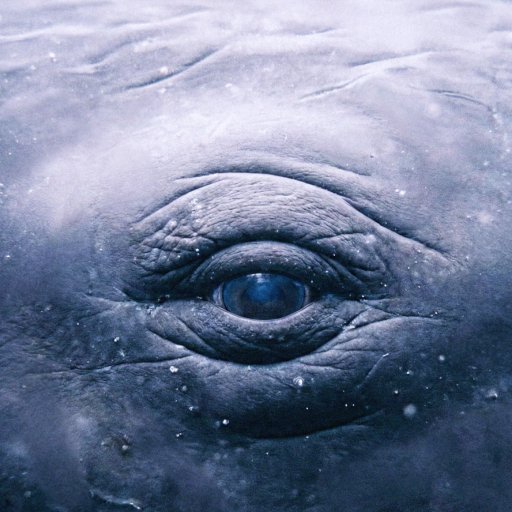
Ninety million years after our lineages split, humans are beginning to listen to whales in a new way. Marine biologist David Gruber shares the work that has become his life’s pursuit: learning how to hear the planet’s largest mammals.