














Search
Adam Zewe
Adam Zewe | MIT News Office
Read Less

More accurate uncertainty estimates could help users decide about how and when to use machine-learning models in the real world.

A new technique that can automatically classify phases of physical systems could help scientists investigate novel materials.
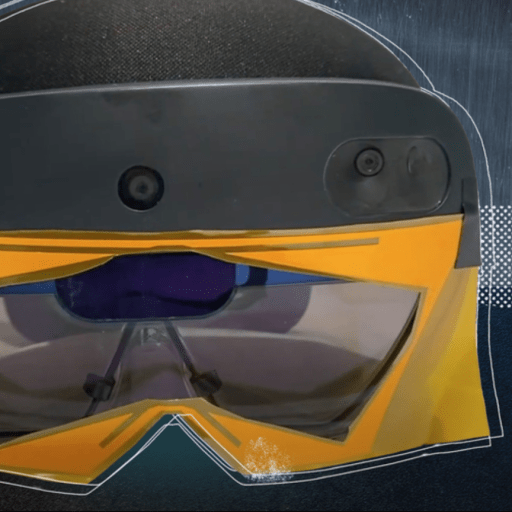
"It can truly allow you to see the physical world in ways that were not possible before."
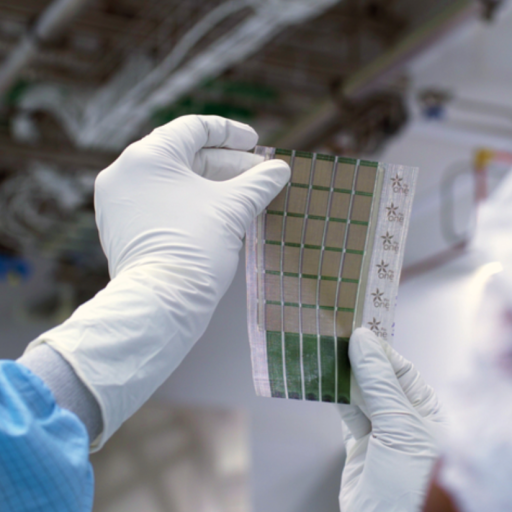
Some solar cells are so lightweight they can sit on a soap bubble.

People naturally judge fact from fiction in offline social settings, so why is it so hard online?

Researchers have created a method to help workers collaborate with artificial intelligence systems.
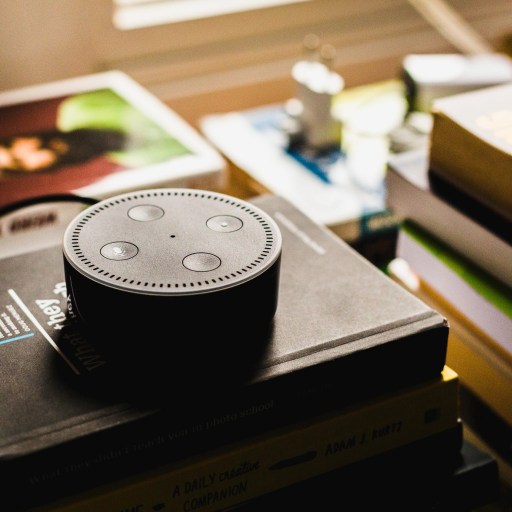
The more social behaviors a voice-user interface exhibits, the more likely people are to trust it, engage with it, and consider it to be competent.
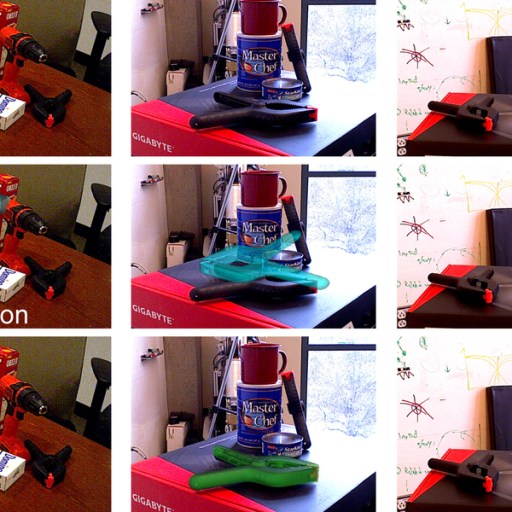
A new “common-sense” approach to computer vision enables artificial intelligence that interprets scenes more accurately than other systems do.

The model is almost eight hours ahead of a doctor's recognition of a patient's deterioration.
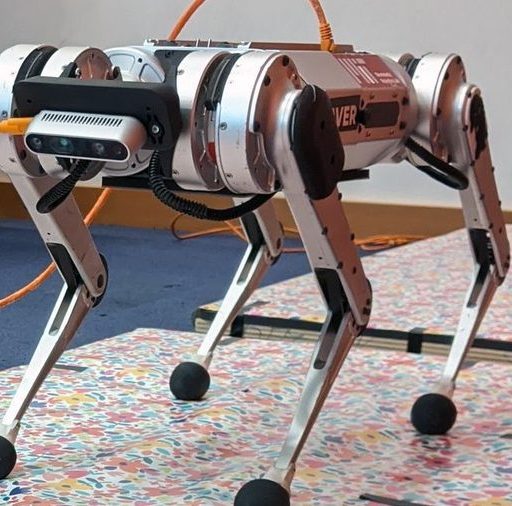
A new control system, demonstrated using MIT’s robotic mini cheetah, enables four-legged robots to jump across uneven terrain in real-time.

New chip eliminates the need for specific decoding hardware, boosting gaming systems, 5G networks, and more.