










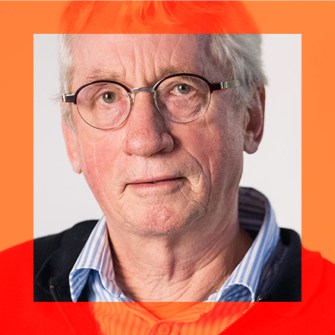
Agustín Fuentes

Agustín Fuentes

Anthropologist
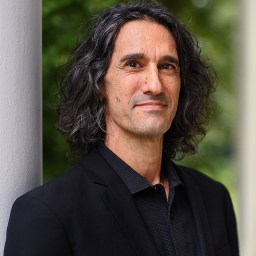
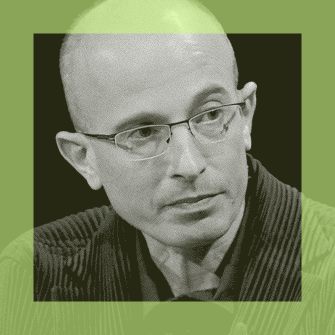
Agustín Fuentes, a Professor of Anthropology at Princeton University, focuses on the biosocial, delving into the entanglement of biological systems with the social and cultural lives of humans, our ancestors, and a few of the other animals with whom humanity shares close relations. Earning his BA/BS in Anthropology and Zoology and his MA and PhD in Anthropology from UC Berkeley, he has conducted research across four continents, multiple species, and two-million years of human history. His current projects include exploring cooperation, creativity, and belief in human evolution, multispecies anthropologies, evolutionary theory and processes, and engaging race and racism. Fuentes’ books include Race, Monogamy, and other lies they told you: busting myths about human nature (U of California), The Creative Spark: how imagination made humans exceptional (Dutton), and Why We Believe: evolution and the human way of being (Yale).
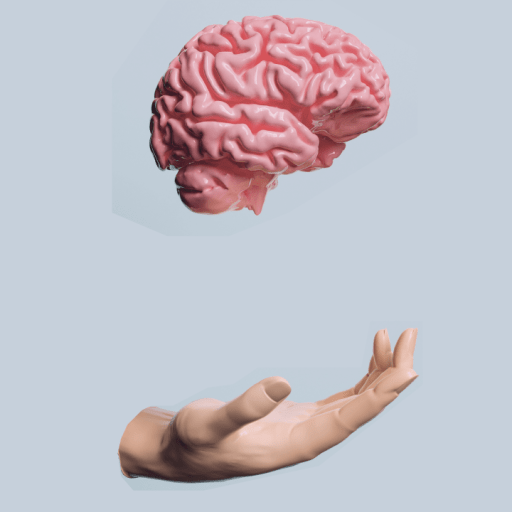
A human hand is positioned palm up below a floating anatomical model of a human brain against a plain light blue background.
3 min
How humans create reality through language and beliefs
Language is a huge part of human development, even the language we keep to ourselves. Three experts explain how words and beliefs can change our brains and our lives:
Unlikely Collaborators
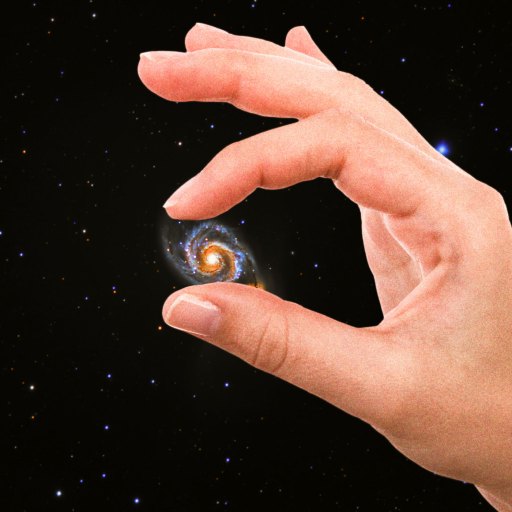
A hand pinches a small spiral galaxy between its fingers against a background of stars in space.
5 min
Can you separate science from the scientist?
Science has opened so many doors to humanity’s understanding of the world. Scientism shuts them. Here’s how to tell the difference.
The text "8 BILLION" appears with an illustrated globe replacing the "O" in "BILLION" on a black background.
6 min
Humans & planet Earth: Do we really know our place?
What beavers and earthworms can teach us about working with, not against, Mother Nature.
A close-up of a soap bubble reflecting bright, colorful windowpanes against a dark background.
7 min
Why belief is the most powerful disruptor
Find food, have sex, not die. That’s pretty much all we need to do — but why do we make it so complicated?
tribalism Humans are not “tribal”
From politics to culture, we blame “tribalism” for humanity’s problems. This explanation is entirely wrong.
John Templeton Foundation
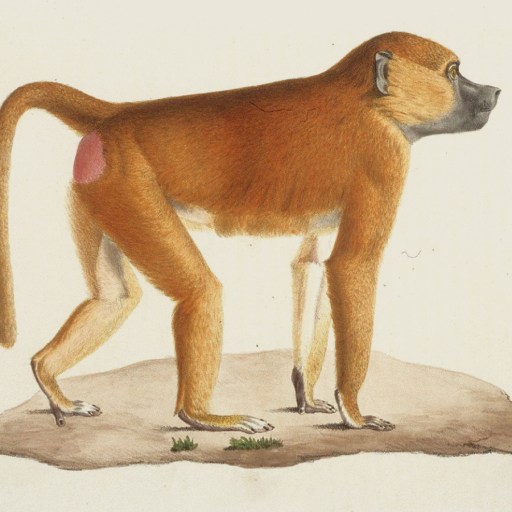
Illustration of a baboon standing on all fours, facing right, with a reddish-brown coat and a pink patch on its hindquarters—an awe-inspiring member of the animal kingdom. I put a camera on a monkey. Here’s how it shook my understanding of humanity
Awe is a powerful force, a fact that is both exciting and terrifying.
John Templeton Foundation