






Albert-László Barabási

Albert-László Barabási

a man wearing glasses and a blue shirt.

Albert-László Barabási is a network scientist, fascinated with a wide range of topics, from unveiling the structure of the brain and treating diseases using network medicine to the emergence of success in art and how science really works. His research has helped unveil the hidden order behind various complex systems using the quantitative tools of network science, a research field that he pioneered, and has led to the discovery of scale-free networks, helping explain the emergence of many natural, technological, and social networks.

Barabási is a Fellow of the American Physical Society. He is the author of The Formula (Little Brown), Network Science (Cambridge), Bursts (Dutton), and Linked (Penguin). He co-edited Network Medicine (Harvard, 2017) and The Structure and Dynamics of Networks (Princeton, 2005). His books have been translated into over twenty languages.
Abstract illustration of segmented, wood-textured shapes arranged in an oval formation on a green background.
7 min
The invisible math that controls the world
This network physicist is mapping the world's most significant data to create the most beautiful visualizations of information we have ever seen.
John Templeton Foundation
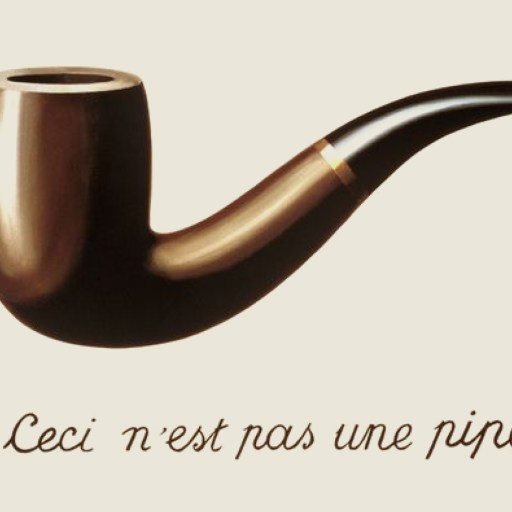
A realistic illustration of a smoking pipe with the French text "Ceci n'est pas une pipe" written below it on a plain background.
6 min
The fascinating science of who succeeds in art
This scientist made an algorithm to predict which artists succeed — all without even looking at their art.
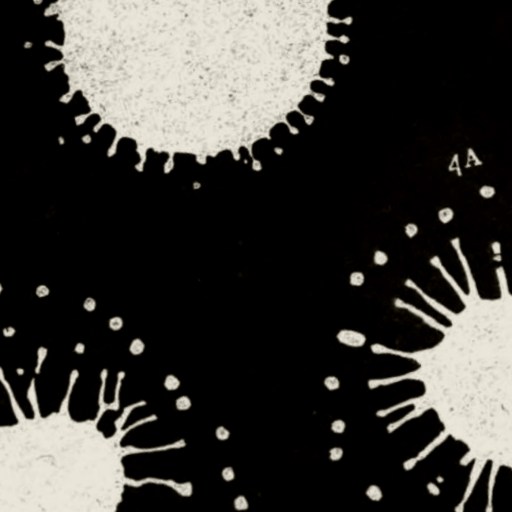
Three circular, splattered white shapes on a black background, each labeled with numbers, resembling ink blots or stylized microorganisms.
6 min
What if we could predict—and cure—all diseases?
This network scientist is creating a map of the human genome, and it could revolutionize the future of healthcare.
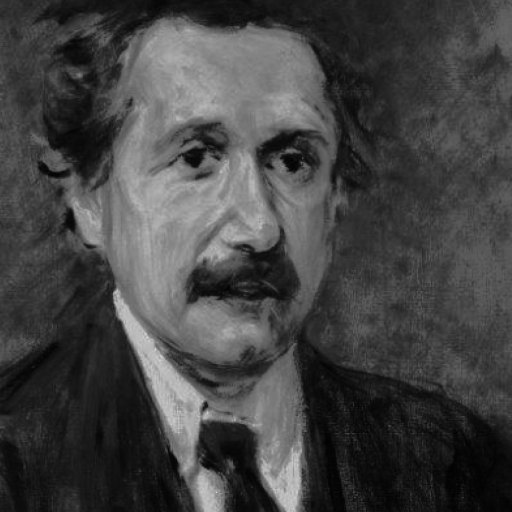
A black-and-white painting depicts a man with tousled hair, a mustache, and a suit with a tie, facing forward against a textured background.
9 min
Finding the world’s next “hidden genius”
What makes some scientists culturally significant, while others remain in obscurity? Well, there’s a science to it.
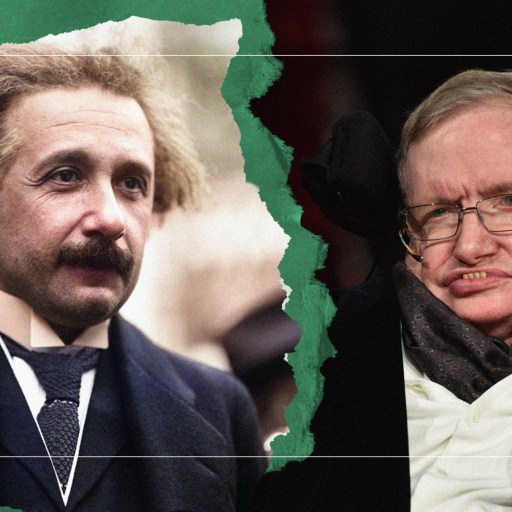
genius Why Einstein is a “peerless genius” and Hawking is an “ordinary genius”
You've heard of Stephen Hawking. Ever heard of Renata Kallosh? Didn't think so.
John Templeton Foundation