















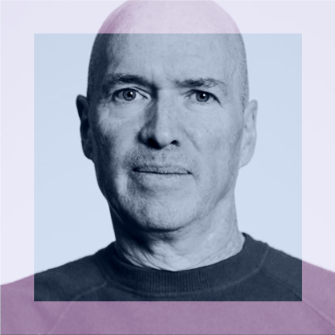

Andrew Sullivan
Journalist and Blogger
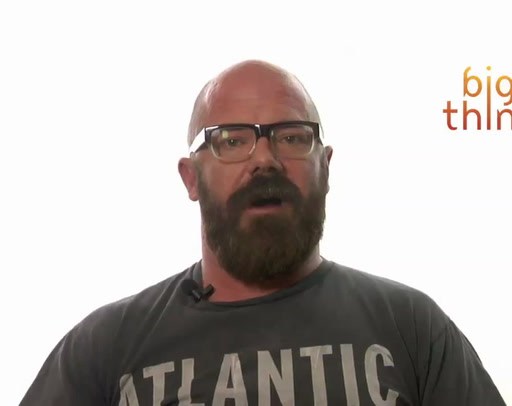
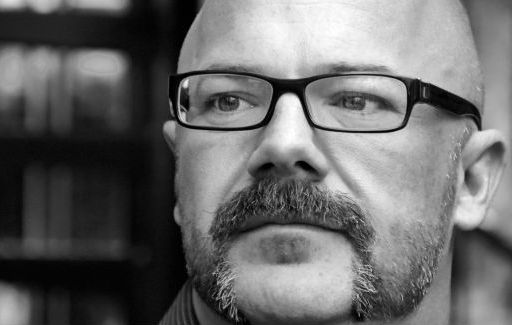
Andrew Sullivan is a conservative political writer and commentator and one of the pioneers of political blog journalism. He was born in England, where he attended Magdalen College, Oxford, but moved to the US in the 1980s to pursue a Masters in Public Administration and a PhD in Political Science at Harvard. He has remained in the US and has focused his writing on American political life.
In 1991 at the age of 27, Sullivan was appointed editor of The New Republic, over which he presided for 250 issues until he resigned in May 1996. Sullivan's tenure at TNR was often turbulent, controversial, and pioneering. The magazine expanded its remit beyond politics to cover such topics as the future of hip-hop, same-sex marriage, and affirmative action in the newsroom. TNR also published the first airing of 'The Bell Curve,' the explosive 1995 book on IQ, and 'No Exit,' an equally controversial essay that was widely credited with helping to torpedo the Clinton administration's plans for universal health coverage. In 1996, Sullivan was named Editor of the Year by Adweek magazine.
Sullivan is openly gay and has been a key figure in the public discourse on such issues as gays in the military and same-sex marriage. His 1993 TNR essay, 'The Politics of Homosexuality,' was credited by the Nation magazine as the most influential article of the decade in gay rights. His 1995 book, 'Virtually Normal: An Argument About Homosexuality,' was published to positive reviews, became one of the best-selling books on gay rights, and was translated into five languages. He followed it with a reader, 'Same-Sex Marriage: Pro and Con,' and testified before Congress on the Defense of Marriage Act in 1996. His second book, 'Love Undetectable: Notes on Friendship, Sex, and Survival,' was published in 1998 in the United States and Britain. It was a synthesis of three essays on the plague of AIDS, homosexuality and psycho-therapy, and the virtue of friendship. Sullivan tested positive for HIV in 1993, and remains in good health.
In the summer of 2000, Sullivan became one of the first mainstream journalists to experiment with blogging and soon developed a large online readership for his blog The Daily Dish. He has blogged independently and for Time.com, but in February 2007 he moved his blog to The Atlantic Online where he now writes daily.