











Search
Arpan Bhattacharyya
Contributing Writer
Arpan Bhattacharyya is a writer living in Maryland. He also works in theatre in Washington DC. In the evenings, he can be found performing stand-up comedy. His interests include philosophy, literature, film, activism, and science.
Email: arpan@bigthink.com
Read Less

If Indiana Jones and Google Earth had a love child, it would be GlobalXplorer, a "space archaeology" software by TED Prize winner Sarah Parcak.
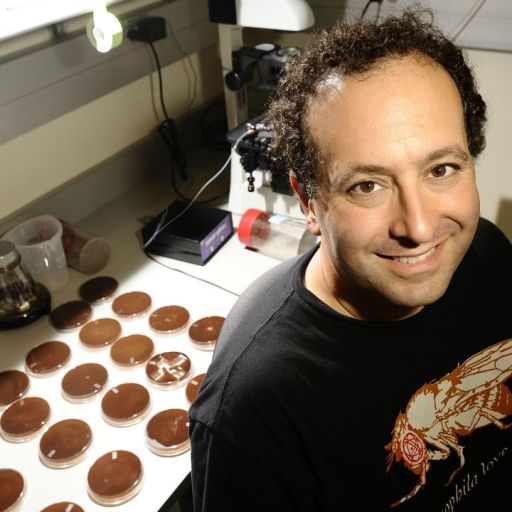
President Trump disagrees with scientific consensus on a number of issues, and currently there are no scientists in the Senate. But geneticist Dr. Michael Eisen plans to change that in 2018.
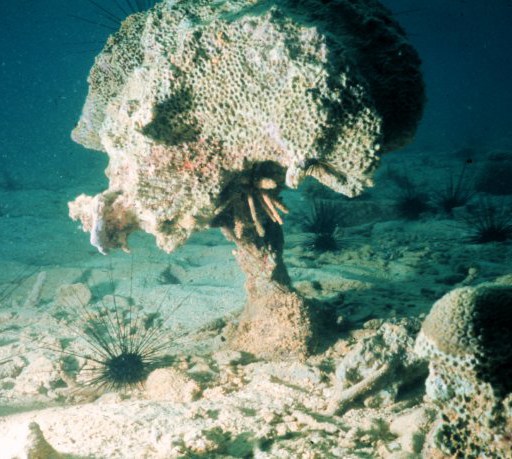
The Mayan Riviera contains the largest coral reef in the Western Hemisphere. However, commonplace cosmetic products used by tourists threaten its health. A local couple is working hard to change that.

A careful analysis by two economists finds that phony journalism had little influence on voters and the outcome of the election.

Rates of crime and recidivism in America are very high. One Cleveland-based French restaurant, however, leads the way in helping ex-cons to thrive and not reoffend after their sentences.
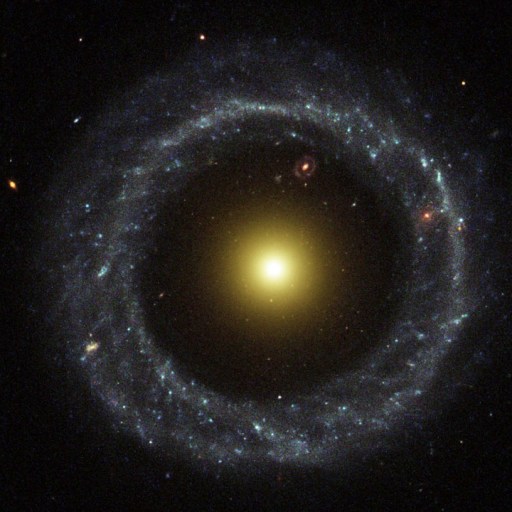
Astronomers have discovered a new kind of galaxy that raises many questions, and perhaps paves the way for answers about galaxy formation.

The Antipode may one day revolutionize your commute. It would be 10 times faster than the Concorde and take you across the ocean before you could finish an episode of The Simpsons.
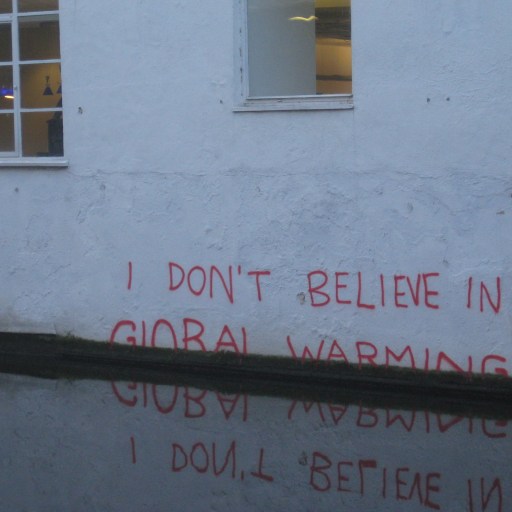
Are people with blatantly un-scientific views stupid? The authors of Denying to the Grave: Why We Ignore the Facts That Will Save Us have a different view.
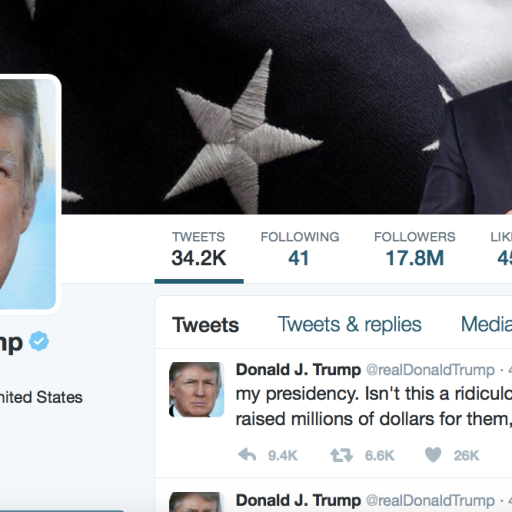
A recent tweet from Donald Trump plummeted the value of Lockheed Martin's stocks. What implications does this hold about the economic influences of social media?
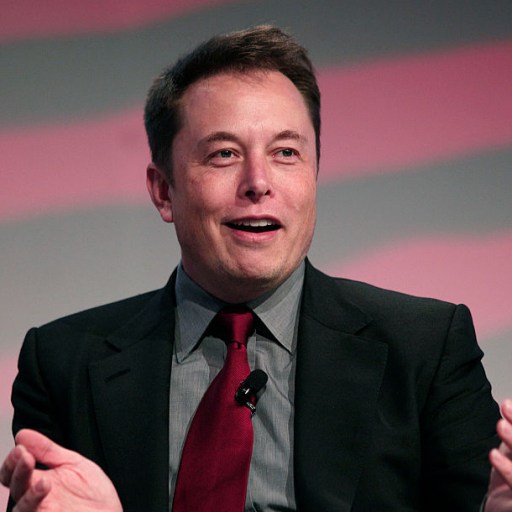
Donald Trump campaigned on the imperative to bring back jobs for Americans. He should turn to Elon Musk to succeed on his aims.

Interest in Buddhism worldwide has been on the reason in recent decades. Many remain skeptical, however, over potential philosophical problems or un-scientific commitments at the heart of Buddhist teachings and practice. The world's happiest man talks with a renowned philosopher to answer these objections.

The surgeon general is pleading for a fundamental shift in how we think about addiction.
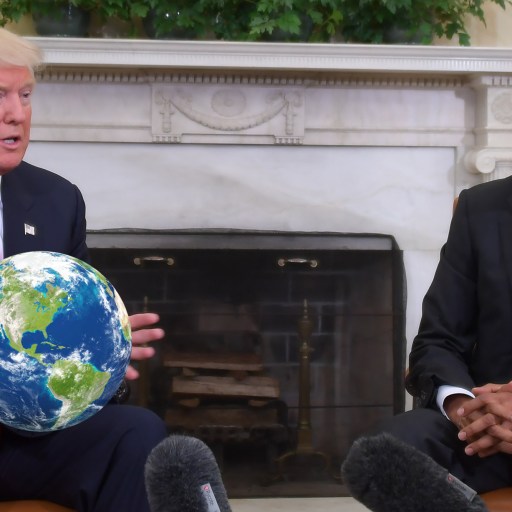
In response to the president elect, NASA's leadership is developing strategies for continuing deep space exploration in the event of budget change or stagnation.

Some have deemed old-fashioned light bulbs as good as dead. But researchers at MIT have devised an incandescent light that's greener than ever.

A recent study reflects that men view their female friends differently than women view their male friends – but by a pretty insignificant margin.

Time travel has titillated scientists and science-fiction fans alike ever since HG Wells first conceived of it in the 19th century. But it plausible? Princeton astrophysicist John Richard Gott III discusses the two ways that it might be.

Many women are unable to have children due to age restrictions on IVF. Dr. Dominic Wilkinson, Director of Medical Ethics at the Oxford Uehiro Centre for Practical Ethics, challenges the 4 most flawed arguments.
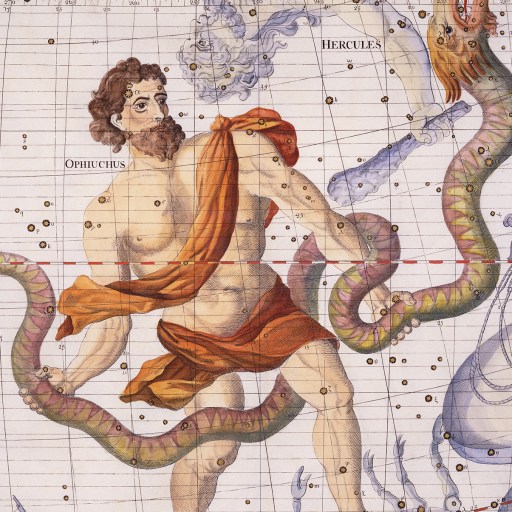
NASA's updated celestial observations have forced astrology enthusiasts to revise the 3,000 year-old zodiac calendar – but let it be known that NASA does not care.
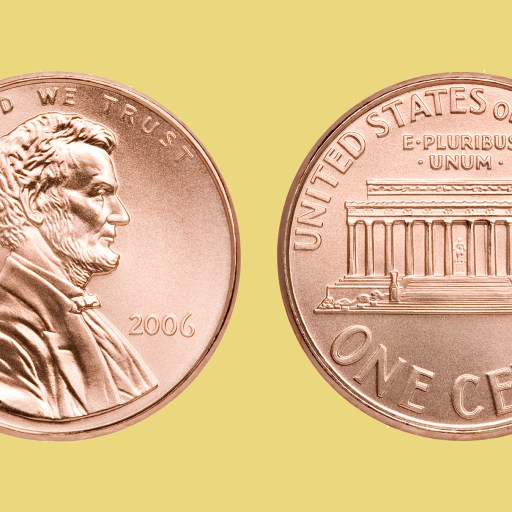
Find a penny, pick it up, all year long, you'll have that f*cking penny. There is a mounting consensus that the US should retire its tiniest coin.

In recent years, wood has become a viable candidate for a stronger, cheaper, and greener basis for architecture. Recent studies and old Japanese temples off insights into the whys and hows.