















Search
Benjamin Jealous
President, NAACP
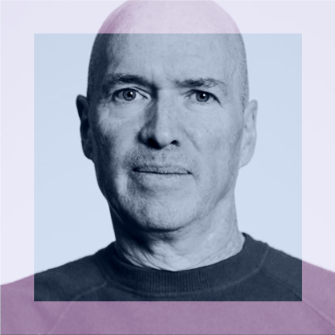
Benjamin Todd Jealous is the 17th President and Chief Executive Officer of the NAACP and rnthe youngest person to hold this position in the organization’s nearly rn100-year history.rn During his career, he has served as president of the Rosenberg rnFoundation,rn a private independent institution that funds civil and human rights rnadvocacy to benefit California's working families; Director of the U.S. Human Rights Program at Amnesty International, where he led efforts to pass federal legislation against prison rnrape, rebuild public consensus against racial profiling in the wake of rnthe September 2001 terrorist attacks, and expose the widespread rnsentencing of children to life without the possibility of parole; and Executive Director of the National Newspaper rnPublishers Association (NNPA), a federation of more than 200 black community newspapers.rnWhile at the NNPA, hern rebuilt its 90-year old national news service and launched a Web-based rn initiative that more than doubled the number of black newspapers rnpublishing online. rn
rn
In civic life, Jealous is a board member of the California rnCouncil for the Humanities and the Association of Black Foundation rnExecutives, as well as a member of the Asia Society. He is married to rnLia Epperson Jealous, a professor of constitutional law and former civilrn rights litigator with the NAACP Legal Defense and Educational Fund.
Read Less

7 min
Education reform was “job one” for the NAACP in the last century. Sadly, despite progress in other areas, it still is.

3 min
Why is a subject long treated as a joke now drawing serious attention? Because white-collar criminals are coming forward with horror stories.
3 min
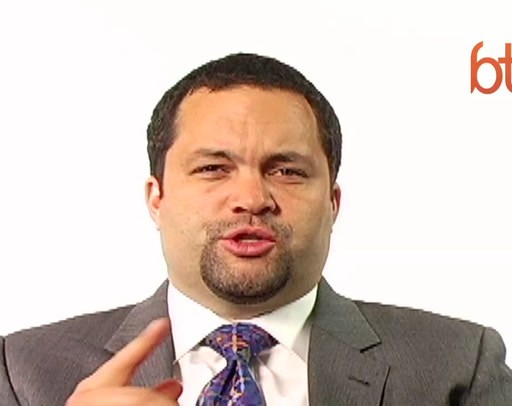
How the American justice system turns petty (and mostly black) criminals angry, desperate, and dangerous.
5 min
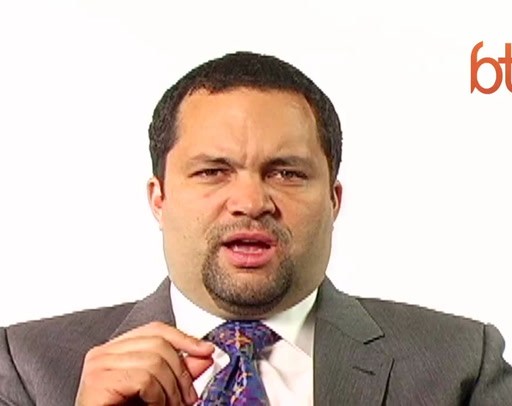
From battling the black incarceration rate to retooling public education, the NAACP’s 21st-century platform is nothing short of a “broad domestic human rights movement.”
3 min
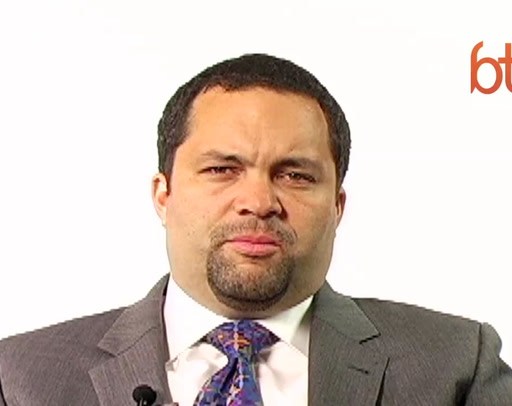
The NAACP president grew up hearing that civil rights was a settled issue, only to find that cancerous racial problems still persisted.
42 min
An interview with the president of the NAACP.