















Search
November, 2010
November, 2010
Big Think hosted a panel discussion highlighting cutting-edge Alzheimer's disease research as part of our Breakthroughs series, made possible by Pfizer.
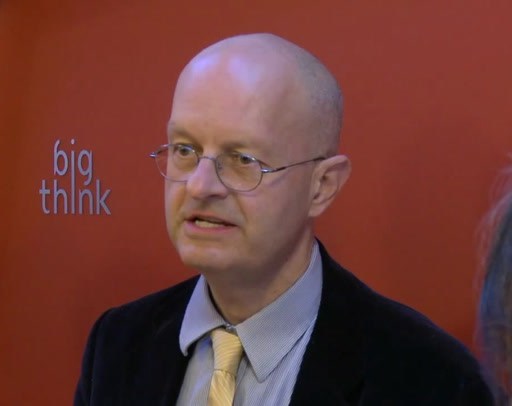
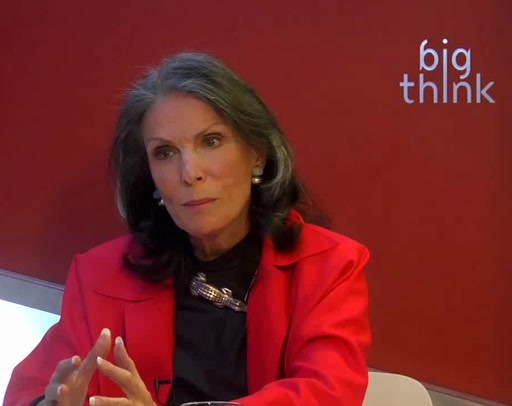
This conversation features back-and-forth exchanges between top luminaries in the field, including Dr. Samuel Gandy, Mount Sinai Professor of Alzheimer's Disease Research; Dr. Leonard Guarente, Director of Glenn Lab for Science of Aging at MIT; Dr. Juan Troncoso, Director of the Brain Resource Center at Johns Hopkins University School of Medicine; and Dr. Ottavio Arancio, Professor of Pathology & Cell Biology at the Columbia University Medical Center. The panel was moderated by Meryl Comer, President of the Geoffrey Beene Foundation Alzheimer’s Initiative.
Read Less

55mins
A conversation between top experts highlighting cutting-edge Alzheimer’s disease research.
3mins
Genetic testing is advancing rapidly, and we can now find out our risk factor for developing Alzheimer’s. But without a cure or treatment available, what’s the point?

7mins
Studies have shown that you can boost brainpower and brain resilience with vitamins and exercise, and by not smoking. But lifestyle choices alone can’t prevent Alzheimer’s?

5mins
Alzheimer’s starts in one area and spreads all over the brain, like an infection. Does this mean that it’s possible to develop a vaccine?

8mins
Genes such as ApoE4 may signal a risk factor for Alzheimer’s. But how do we separate risk factor from an unalterable sentence for the disease?
5mins
Amyloid plaques and neurofibrillary tangles inside the brain are the best explanation we have for how Alzheimer’s develops.

5mins
Mental decline, on some level, is inseparable from aging. With more people living longer, does this mean everyone will eventually get Alzheimer’s?

3mins
One of the most robust environmental risk factors identified for Alzheimer’s disease is traumatic brain injury. This is having repercussions for those returning from fighting in Iraq and Afghanistan.

7mins
Amyloid buildup in the brain is a key trigger for Alzheimer’s, but some people with this plaque live their entire lives without developing the disease.

2mins
Are women and African-Americans at a higher risk for Alzheimer’s—as some data suggests—or are there other factors in play?

4mins
For much of the past 100 years, little was known about Alzheimer’s disease and dementia. But recent research is revealing the neurotransmitter and genetic defects behind the disease.