




Brian Greene

Brian Greene

Chairman, World Science Festival
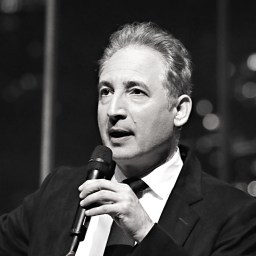
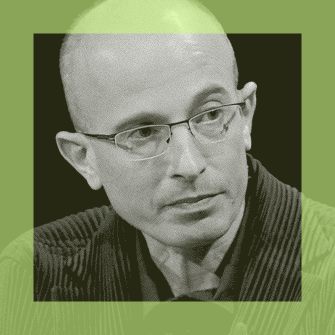
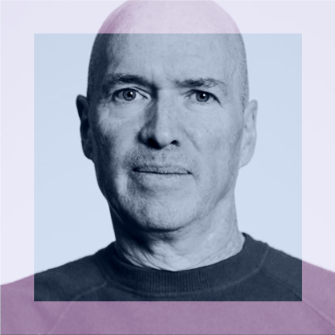
Brian Greene is an American theoretical physicist and string theorist. He has been a professor at Columbia University since 1996 and chairman of the World Science Festival since co-founding it in 2008. Greene has worked on mirror symmetry, relating two different Calabi–Yau manifolds (concretely, relating the conifold to one of its orbifolds). He also described the flop transition, a mild form of topology change, showing that topology in string theory can change at the conifold point.

Greene has become known to a wider audience through his books for the general public, The Elegant UniverseIcarus at the Edge of TimeThe Fabric of the Cosmos, The Hidden Reality, and related PBS television specials. He also appeared on The Big Bang Theory episode "The Herb Garden Germination," as well as the films Frequency and The Last Mimzy.
 

A circular pattern of overlapping purple and white spirals and loops appears against a black background.
3 min
Left–Right, Back–Forth, Up–Down. What’s the fourth dimension?
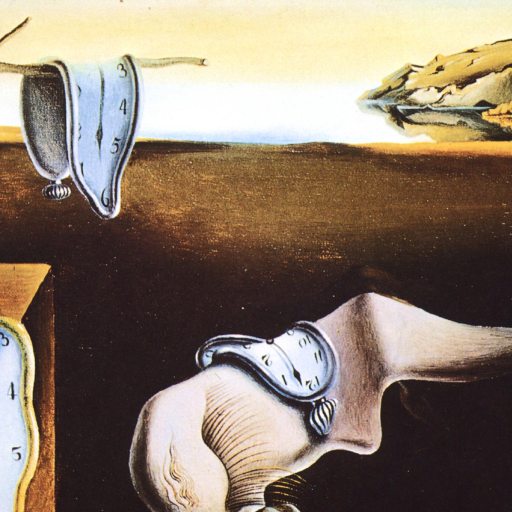
A surreal painting ponders is time travel possible, with melting clocks draped over a tree, ledge, and abstract form in a barren landscape against distant cliffs.
Theoretical physicist Brian Greene explores the potential particles of time and why we could, in theory, travel forward in time but not back.
John Templeton Foundation
3 min
Left-right, up-down, back-forth: These are the dimensional directions we're able to perceive. Theoretical physics posits that additional dimensions could exist beyond our perceptive reach.
2 min
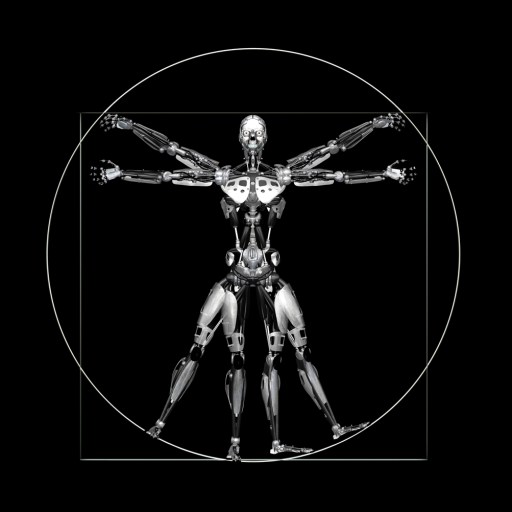
Artists and scientists alike strive "to figure out the deep truths of reality," explains physicist Brian Greene. The ways they pursue that goal are different, but there's no reason why two segments of society seeking answers can't work together.
2 min
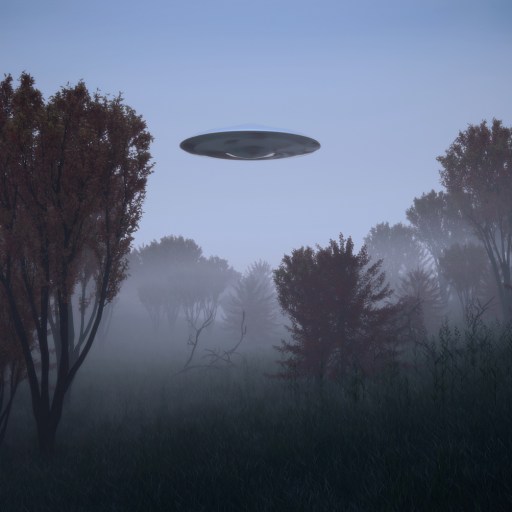
Is there intelligent life out there in the universe? Theoretical physicist Brian Greene explains why that's a more complicated question that it appears.
2 min
Theoretical physicist Brian Greene gives a crash course on quantum computing in two minutes.