











Carl Zimmer

Carl Zimmer

Science Writer

Carl Zimmer is a science writer, lecturer, and frequent guest on such radio programs as Fresh Air and This American Life. His books include "Soul Made Flesh," "Evolution: The Triumph of an Idea," and "Parasite Rex." In addition to writing books, Zimmer contributes articles to The New York Times, as well as magazines including National GeographicTimeScientific AmericanScience, and Popular Science. He also writes an award-winning blog, The Loom. From 1994 to 1998 Zimmer was a senior editor at Discover, where he remains a contributing editor and writes a monthly column about the brain.

Zimmer is a lecturer at Yale University, where he teaches writing about science and the environment. He is also the first Visiting Scholar at the Science, Health, and Environment Reporting Program at New York University’s Arthur L. Carter Journalism Institute.

Zimmer is a Big Think Delphi Fellow.
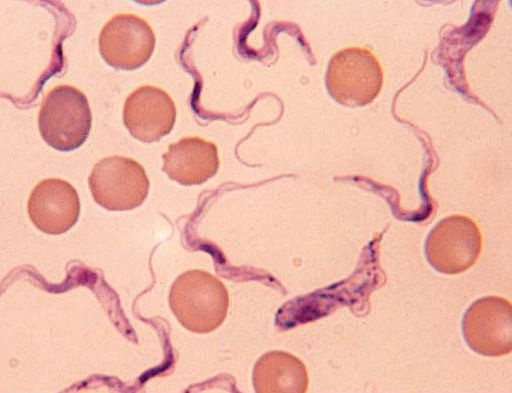
A horrendous disease called Sleeping Sickness was close to being eradicated but war in Sudan gave it a new lease on life. 
When I touch my finger to my nose I actually don’t want the signal from my nose to go too fast. 
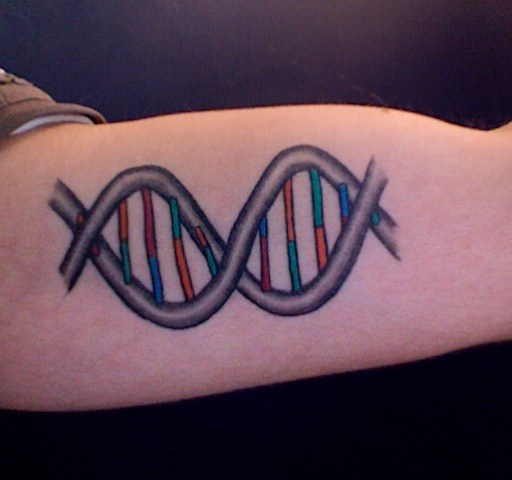
One of the most interesting ways to get into the minds of scientists is to look at their tattoos.
5mins
Carl Zimmer’s blog, “The Loom,” often features pictures of readers’ science tattoos. Is he hiding any himself?
4mins
Your finger is farther from your nose than your brain. So when your finger touches your nose, why do both organs feel the sensation at the same time?
4mins
Science writer Carl Zimmer has had a species of tapeworm named after him. It’s an honor, he says, that almost everyone on earth could conceivably share.
14mins
From parasites that alter our brain chemistry to a deadly organism decimating Sudan, the “Parasite Rex” author introduces the creatures that make themselves at home in our bodies.
5mins
MIT students now generate their own strains of e coli for class projects. But synthetic biology is about to get a whole lot bigger.
8mins
Could deadly viruses’ rapid evolution be turned against them? And could we ever control the pace of our own evolution?
7mins
Everyone knows we have hereditary viruses in our genome. What scientists are just learning is how many there are—and how many we’ve come to depend on.