

















Search
Charles Duhigg
Writer, The New Yorker Magazine

Charles Duhigg is a Pulitzer Prize-winning journalist and the author of The Power of Habit, which spent over three years on bestseller lists and has been translated into 40 languages, and Smarter Faster Better, also a bestseller. Mr. Duhigg writes for The New Yorker magazine and is a graduate of Yale University and the Harvard Business School. He has been a frequent contributor to CNBC, This American Life, NPR, The Colbert Report, NewsHour, and Frontline.
He was also, for one terrifying day in 1999, a bike messenger in San Francisco.
Read Less

6mins
Daily habits can help you thrive or quietly turn into addictions. The difference is how your brain handles cues, routines, and rewards. Three experts explain how to work with your wiring instead of against it.
Unlikely Collaborators

What would happen if you tripled the US population? Matthew Yglesias and moderator Charles Duhigg explore the idea on Big Think Live.

6mins
According to Pulitzer winner Charles Duhigg, the art of focus is training your mind to know what it can safely ignore.
2mins
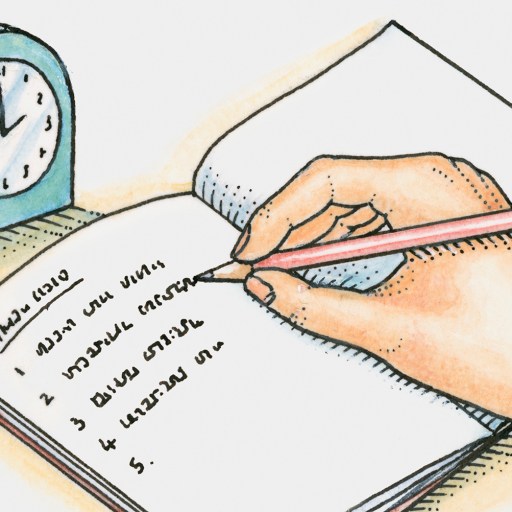
Are to-do lists about feeling a sense of accomplishment or actually getting things done? The typical way of writing lists can result in feeling good about yourself at the expense of productivity.

6mins
It's incredible to think that Saturday Night Live and Google, given their very different goals, create teams of people similarly. But as reporter Charles Duhigg discovered, they very much do.

5mins
Probably few organizations value self-motivation like the US Marine Corps, so when their recruits began showing deficiencies, officers dug into the latest psychologist research. Here's what they found.

The cue and the reward become neurologically intertwined until a sense of craving emerges that drives your behavior.

You can manufacture a cathartic experience by writing out what you’re feeling.

We are living through a huge evolution in our understanding of habits.

You need to recognize the cues and the rewards that you usually associate with smoking.

Scientists have now studied it in the last decade or 15 years, and the reason why AA works is that it adheres to the Golden Rule of Habit Change.

2mins
Relax, says Charles Duhigg, author of The Power of Habit. You can’t beat your Facebook addiction into submission – so schedule it into your work day.

1mins
Here’s how not to put yourself on an exercise regimen: by making a firm resolution, gritting your teeth each day through a 45 minute workout, then grimly enduring a salad.

2mins
Charles Duhigg, author of The Power of Habit, describes the powerful neurological ‘habit loops’ that underlie much of what people, corporations, and societies do.