












Search
Daniel Altman
Chief Economist, Big Think
Daniel Altman is Big Think's Chief Economist and an adjunct faculty member at New York University's Stern School of Business. Daniel wrote economic commentary for The Economist, The New York Times, and The International Herald Tribune before founding North Yard Economics, a non-profit consulting firm serving developing countries, in 2008. In between, he served as an economic advisor in the British government and wrote four books, most recently Outrageous Fortunes: The Twelve Surprising Trends That Will Reshape the Global Economy.
Read Less
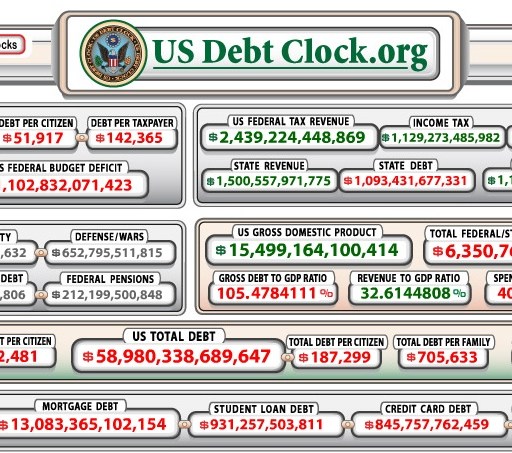
As we think about how we're going to eventually close a big debt gap, Daniel Altman says we need to think beyond two-year election cycles.

The debate over the fiscal cliff has spawned a multitude of suggestions for reforming the tax system, including my own. One possible reason for the wide range of proposals, even from mainstream economists, is that the recommendations of standard economic theory may be very different from what the American economy actually needs today. Here are two views of taxation, from the theoretical and realistic standpoints – can you find a happy medium between them?

I’ve received dozens of emails since my New York Times op-ed proposing a wealth tax came out on Monday. My goal with the piece was primarily to refocus the inequality […]
Friends, a new world is waiting for all of us. It is a world without want, where every need is satisfied by boundless resources. It is a world of friendship, […]

Companies are always trying to develop products that make our lives better, but these days some of the most advanced technologies are being aimed at a category that used to […]

Dear Readers, I made a mistake. In the article below, I said it would take some very high rates of growth to close the $7 trillion gap in Mitt Romney’s […]

Pervasive computing is all about interaction between the billions - soon to be trillions - of microprocessors that have infiltrated virtually every aspect of our lives. A new book,"Trillions", argues that we have to design an entire living environment where those devices communicate with each other and with us.