




















Search
David Ryan Polgar
Contributing Writer
David is an ambidextrous thinker who likes big ideas. As a “Tech Ethicist,” he explores our evolving relationship with social media and tech from an ethical, legal, and emotional perspective. Utilizing his background as an attorney, educator, and pop culture aficionado, David offers a fresh perspective on potential trends and ways to humanize our digital lives. He is currently a speaker (3-time TEDx), branding and communications consultant, and Trust & Safety for social messaging platform Friendbase. David is researching the impact that “scaling intimacy” has on human relationships, and working on an upcoming book. He is also the co-host for Funny as Tech.
He can be contacted at TechEthicist.com and @TechEthicist.
Read Less

Pizzanomics isn't an official field of research, but it can save you big money.

Can scientists agree on a code of ethics? The World Economic Forum Young Scientists community just proposed a Code of Ethics, which was a topic of discussion at the recent World Economic Forum's meeting in Davos, Switzerland.

Everybody seems to be making money on bitcoin and other cryptocurrency, but not many people grasp how the underlying technology works. Bitcoin is now traded on the exchanges for futures contracts. Is this problematic for amateur day traders that may not understand how bitcoin works?

The rise of driverless cars will save lives, time, and spark a $7 Trillion "Passenger Economy." But it will also destroy jobs. What should we do?

A new study by the European Commission found that video game piracy may increase the downloading of legitimate games by 24%.

Researchers at MIT and Harvard Medical School have developed a tattoo ink that could potentially be used to monitor medical conditions, with ink that changes in response to physical conditions.

AI has not only beat chess, Go, and Jeopardy champions, but now it has defeated some of the world's best poker players. And unlike chess or Go, playing poker involves unknown information like bluffing.

The US Navy will begin swapping out expensive periscope joysticks in exchange for off-the-shelf Xbox controllers.

By using the DoNotPay chatbot, you may be able to quickly file a small-claims case against Equifax for up to $25,000.

The internet is ablaze in controversy over the new AI "Gaydar" study. Did the researchers do anything wrong by pursuing this research?
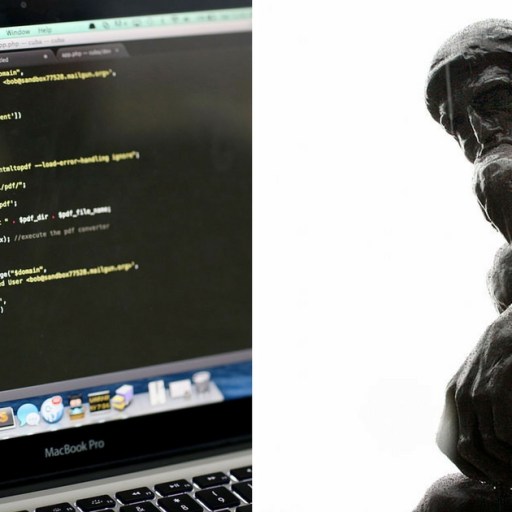
Silicon Valley needs more diversity of thought and well-rounded thinkers. An interview with Scott Hartley, author of The Fuzzy and The Techie: Why the Liberal Arts Will Rule the Digital World.

Our utopian vision of the future is typically less more and more leisure. But if advancing technology really lessens the importance of our careers in the future, is this something we could actually adjust to?

Employees at 32M, a company based in Wisconsin, now have the option of getting microchipped. Workers implanted with the RFID chip will be able to open doors, store medical info, and pay for purchases. Should this be the future workplace?
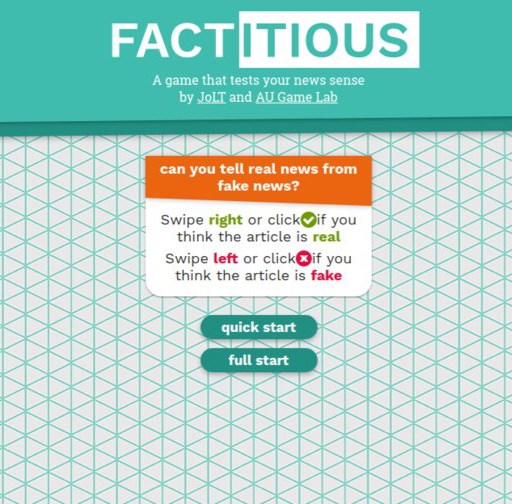
A new game called Factitious aims to help people determine real from fake news online. Will this work? Exploring ways to be more media literate.

A programmer was able to automate his remote job; collecting a full-time paycheck while working for two hours a week. The employer, none the wiser, is satisfied with the completed work. But is it ethical?

Is the government overpaying by $300 million? Elon Musk of SpaceX has long argued that there needs to be greater competition with the awarding of space launch contracts. New reports indicate that SpaceX may be $300 million less than the US government is currently paying.

Facebook researchers have found that dialog agents being trained to negotiate will create their own non-human language to be more effective. What does this mean for the future of language?

Memory illusions may be making us overconfident about our memory recall.

How can we make the internet a better place for kids? Google has just released a free program called Be Internet Awesome to educate kids on phishing, passwords, media literacy, and being kind online. Will it help?

Known as Cunningham's Law, it is the assertion that "the best way to get a right answer on the internet is to post a wrong answer." It turns out our impulse to correct a wrong online may outweigh our desire to merely give answers.