









Search
David Berreby
Author, Us and Them: The Science of Identity
David Berreby is the author of "Us and Them: The Science of Identity." He has written about human behavior and other science topics for The New Yorker, The New York Times Magazine, Slate, Smithsonian, The New Republic, Nature, Discover, Vogue and many other publications. He has been a Visiting Scholar at the University of Paris, a Science Writing Fellow at the Marine Biological Laboratory, a resident at Yaddo, and in 2006 was awarded the Erving Goffman Award for Outstanding Scholarship for the first edition of "Us and Them." David can be found on Twitter at @davidberreby and reached by email at david [at] davidberreby [dot] com.
Read Less
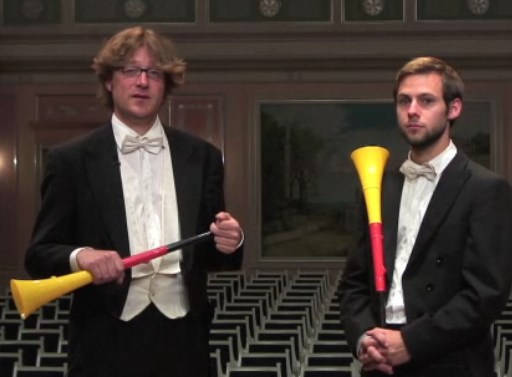
The vuvuzela is not a popular instrument outside of South Africa. World Cup players from other nations complain that it breaks their concentration, broadcasters have trouble making their commentaries heard […]
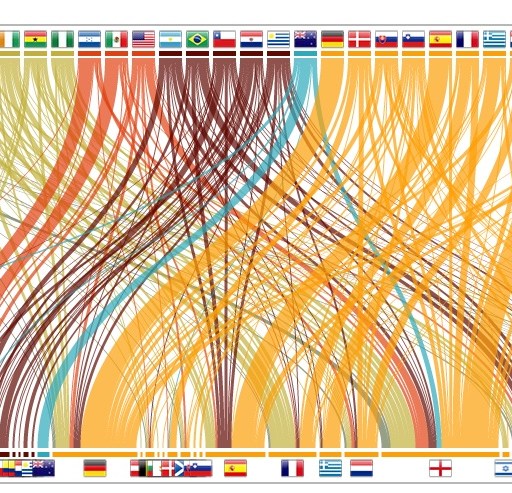
Is World Cup soccer moving away from the sort of team=country nationalism that leads to flare-ups like 1969’s “soccer war” between El Salvador and Honduras? It’s often remarked that the […]

One of the eerier themes in psychology papers is the extreme susceptibility of people’s thoughts and acts to incidental details in their surroundings. For instance, this paper from a recent […]

If I want you to give time or money to my cause, I’ll say your sacrifice is for “people just like you, just like me,” for “communities like yours, all […]
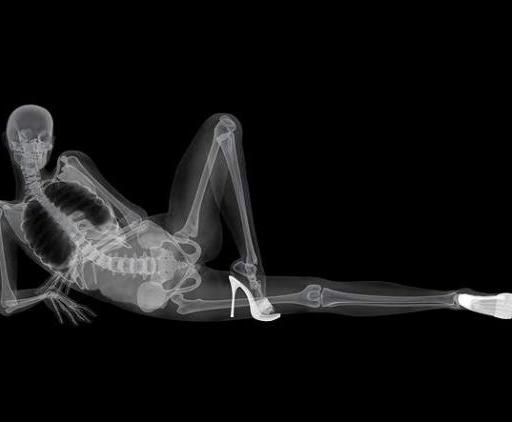
One of industrial life’s strange traditions is the pinup calendar that shows nubile young women posing provocatively around tractor parts and turbines. Eizo, a maker of medical-imaging technology, decided to […]

Should the government protect society from the bad effects of violent videogames? Game-makers invoke freedom of speech to stave off such laws—including California’s 2005 attempt to ban violent-game sales to […]

There was a philosopher once who had no patience with geekish hype about information technology. This application, he wrote, would never make people smarter or better. In fact, it made […]