
















Search
Derek Beres

Derek Beres is a freelance writer. Based in Portland, Oregon, he has served in senior editorial positions at a number of tech companies and has years of experience in health, science, and music writing. He is the co-host of the Conspirituality podcast and co-author of Conspirituality: How New Age Conspiracies Became a Health Threat.
Read Less

Trying to sell an idea like immortality is probably as old as language itself. Like all heads at Google, Ray Kurzweil is selling an ideology, one that will eventually be capitalized upon by whoever holds the patent.

If the question of life or death resides in the hands of a deity, then the death penalty is a sin against that god. Yet if it’s in our own hands, a woman deciding whether or not to bring a child forth should not be made to feel guilty, or worse, that she herself has sinned.

While it’s easy to laugh off a pseudo-religion that battles cosmic tax auditors and exorcises invisible atomic volcanic gremlins, that’s merely the hypnotic gibberish hiding the organization’s true intention: amassing capital and property worldwide. And like many other religions, they’re wildly successful.

Like L. Ron Hubbard knew, the veneer of celebrity casts such a bright light that the details are obscured. Perhaps that’s why we call them "stars." The closer you get, the harder to observe the shadows being cast.

Dishonesty in one domain doesn’t excuse hucksterism in another. Yet as long as healing remains a lucrative business, it’s going to remain a challenge weeding through the pretty designs and catchy slogans to find medicine that works.

Everyone you pass on the street, each person you drive by every day, has a story as well. To claim their death is not worth noticing is to say that their life was not worth living. And that's too bad, because interdependence is something we all rely on every single day, knowingly or not.
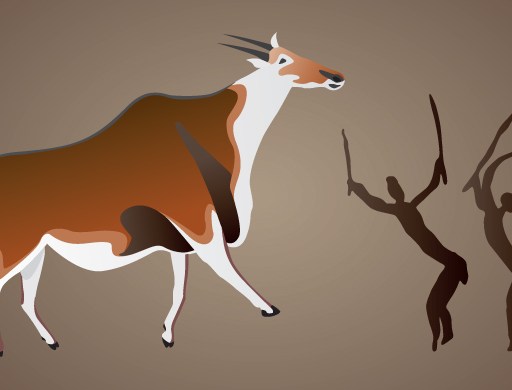
"Much of what we now call ‘religion’ was originally rooted in an acknowledgement of the tragic fact that life depended on the destruction of other creatures," writes Karen Armstrong.