

Elizabeth Fernandez

Elizabeth Fernandez

elizabeth fernandez

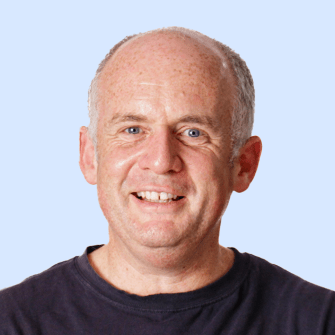
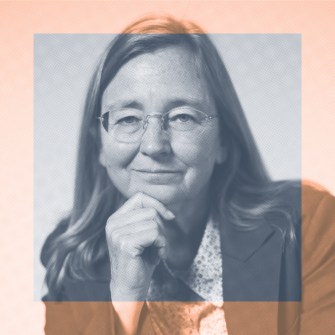
Dr. Elizabeth Fernandez is a science communicator, looking at the interface between science and technology in society, and writes on science and society, science and philosophy, astronomy, physics, and geology. Particularly, she looks at how science, philosophy, religion and culture intersect. She has a PhD in astrophysics and has worked around the world, using telescopes both on the ground and in space. Her articles have appeared on Forbes.com and Big Think. She is also the host and producer of SparkDialog Podcasts, a podcast on science and society, where she tells the story of science in our lives. Besides science, she is an artist and writer, loves pretty much ever genre of music in existence, and seeks out bizarre and unique musical instruments. She has a passion for interfaith relations, working with people from many countries and backgrounds promoting dialog between faiths. Follow her on Twitter @SparkDialog.
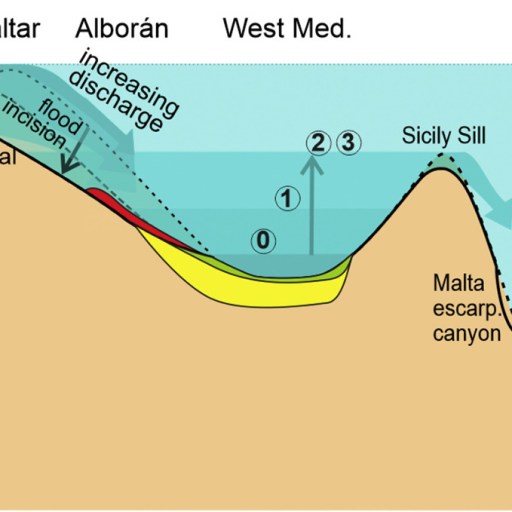
a diagram of the ocean floor.
About six million years ago, the Mediterranean was sealed off from the Atlantic, and over centuries it ran dry. One megaflood reversed that.
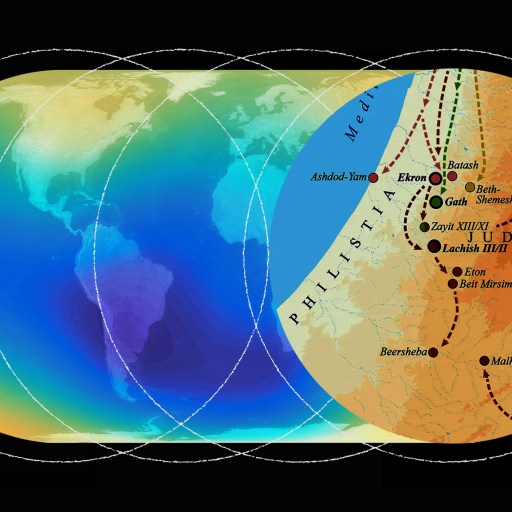
A map showing the location of Israel and Egypt, with a focus on its significance in biblical history.
When battles raged in ancient cities, their rocks blazed so brightly that they could be reoriented according to Earth's magnetic field.
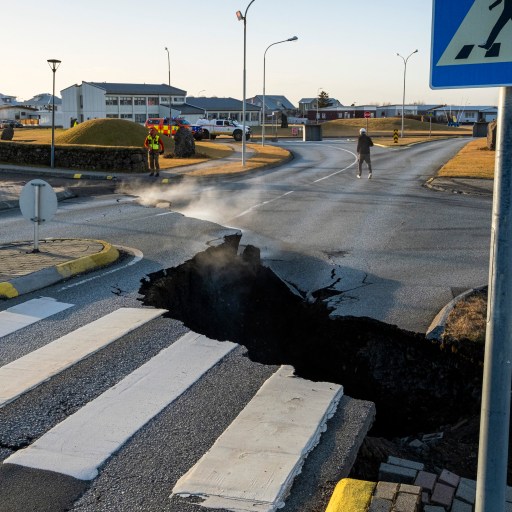
A fissure in a road in Iceland
This new geologic activity could be part of a thousand-year cycle, ushering in a new era of volcanism on the island.
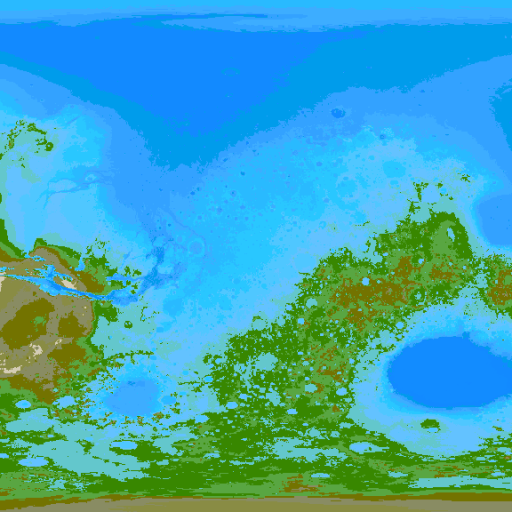
mars oceans
Chemical changes inside Mars' core caused it to lose its magnetic field. This, in turn, caused it to lose its oceans. But how?
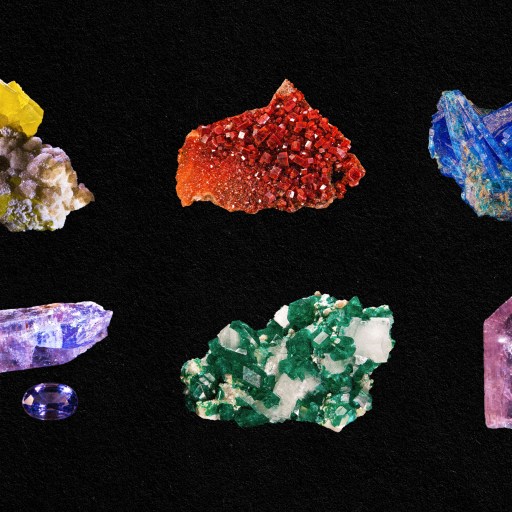
A collection of different colored minerals on a black background.
Rocks and minerals don’t simply reflect light. They play with it and interact with light as both a wave and a particle.
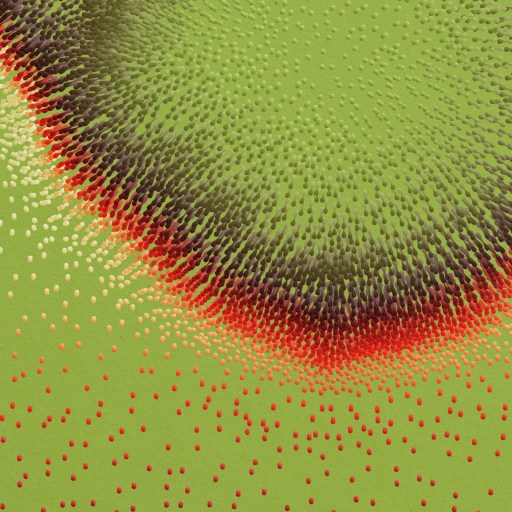
An image showcasing a quantum biology-inspired green, flower-like structure adorned with vibrant red dots.
Quantum physics is starting to show up in unexpected places. Indeed, it is at work in animals, plants, and our own bodies.