











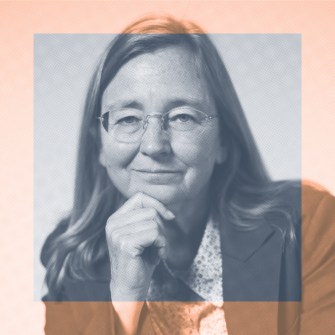
Emma Seppälä
Best-selling Author, Yale lecturer, and International Keynote Speaker
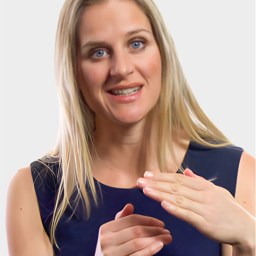
Emma Seppälä, Ph.D., is a best-selling author, Yale lecturer, and international keynote speaker. She teaches executives at the Yale School of Management and is faculty director of the Yale School of Management’s Women’s Leadership program. A psychologist and research scientist by training, her expertise is in the science of happiness, emotional intelligence, and social connection. Her best-selling book, The Happiness Track, has been translated into dozens of languages. Seppälä is also the science director of Stanford University’s Center for Compassion and Altruism Research and Education.
Seppälä’s research has been published in top academic journals and featured in major news outlets such as The New York Times, The Washington Post, NPR, and CBSNews. She speaks and consults internationally for Fortune 500 companies such as Google and Facebook and contributes to Harvard Business Review, The Washington Post, Psychology Today, and Time among others.
A repeat guest on Good Morning America, she also spoke at TEDx Sacramento and TEDx Hayward. Her research on breathing for military veterans with trauma was highlighted in the documentary Free the Mind. She has also been featured in documentaries like The Altruism Revolution, What You Do Matters, and Bullied.