

















Eric Siegel
Co-Founder & CEO, Gooder AI, and Author, The AI Playbook
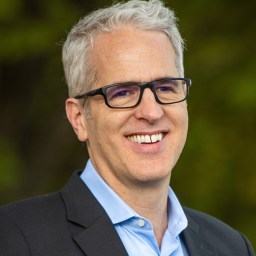
Eric Siegel, Ph.D., is a former Columbia University professor who helps companies deploy machine learning. He is the co-founder and CEO of Gooder AI, the founder of the long-running Machine Learning Week conference series and its new sister, Generative AI Applications Summit, the instructor of the acclaimed online course “Machine Learning Leadership and Practice – End-to-End Mastery,” executive editor of The Machine Learning Times, and a frequent keynote speaker. Eric’s interdisciplinary work bridges the stubborn technology/business gap. At Columbia, he won the Distinguished Faculty award when teaching the graduate computer science courses in ML and AI. Later, he served as a business school professor at UVA Darden. A Forbes contributor, Eric publishes op-eds on analytics and social justice.
Eric has appeared on Bloomberg TV and Radio, BNN (Canada), Israel National Radio, National Geographic Breakthrough, NPR Marketplace, Radio National (Australia), and TheStreet. His books have been featured in BBC, Big Think, Businessweek, CBS MoneyWatch, Contagious Magazine, The European Business Review, Fast Company, The Financial Times, Fortune, GQ, Harvard Business Review, The Huffington Post, The Los Angeles Times, Luckbox Magazine, MIT Sloan Management Review, The New York Review of Books, The New York Times, Newsweek, Quartz, Salon, The San Francisco Chronicle, Scientific American, The Seattle Post-Intelligencer, Trailblazers with Walter Isaacson, The Wall Street Journal, The Washington Post, and WSJ MarketWatch.
No items found!