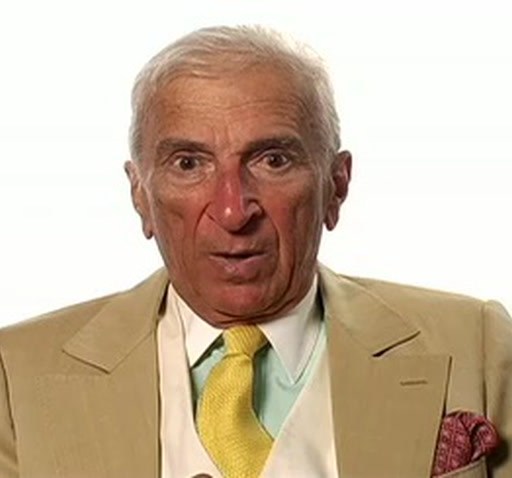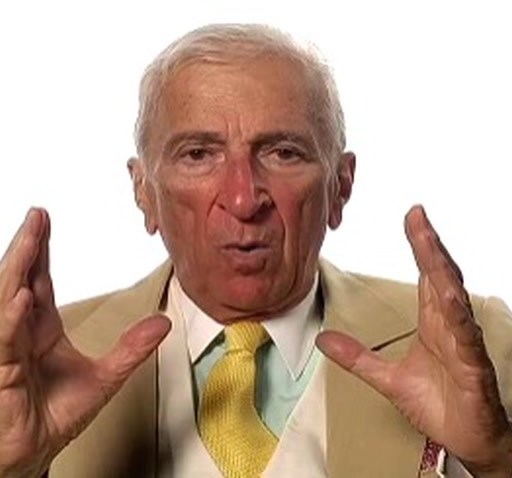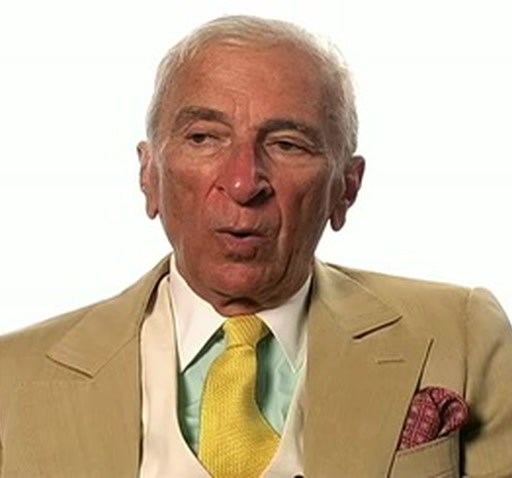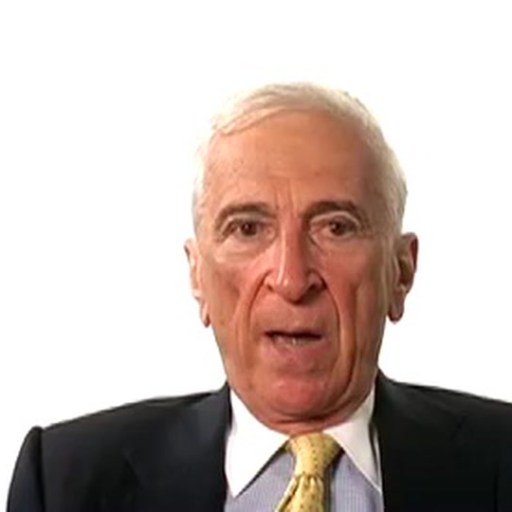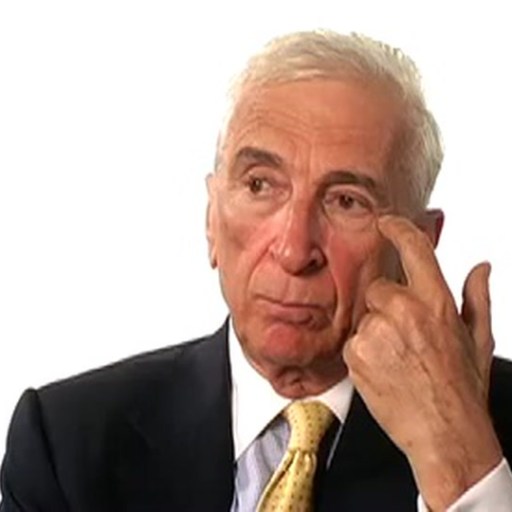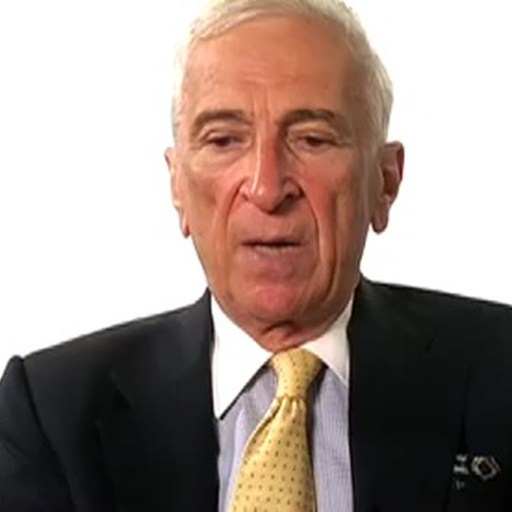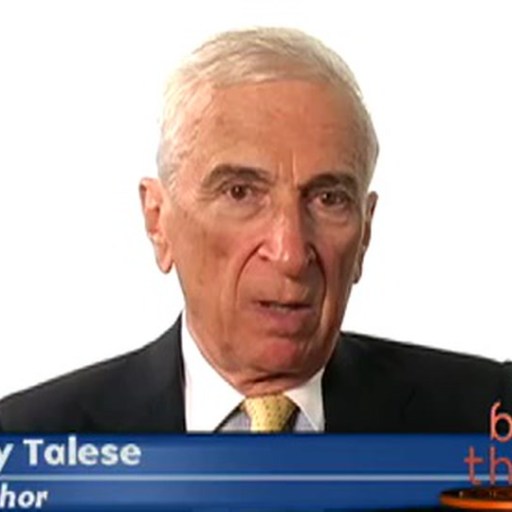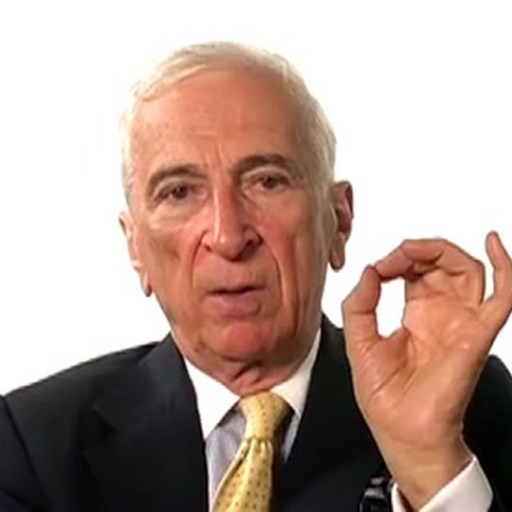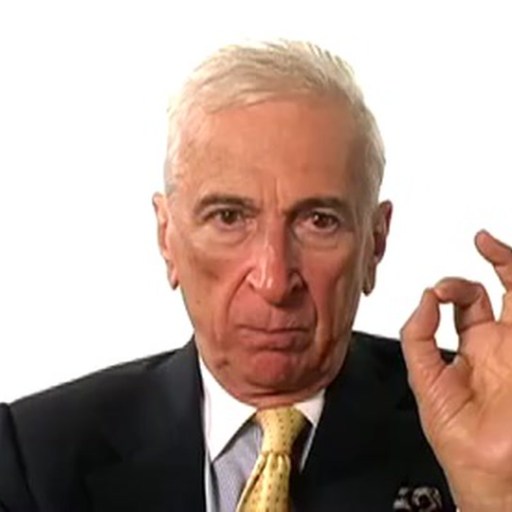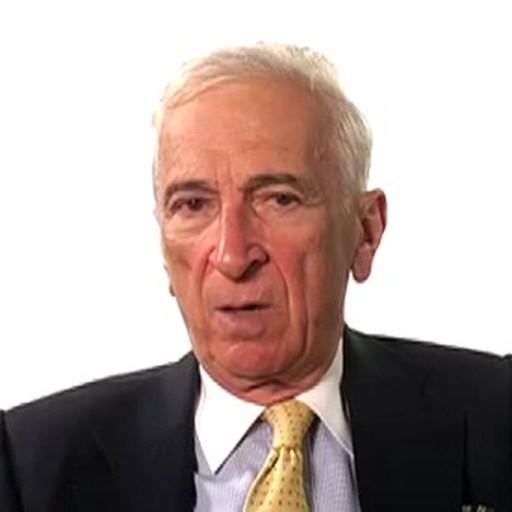
















Gay Talese
Author
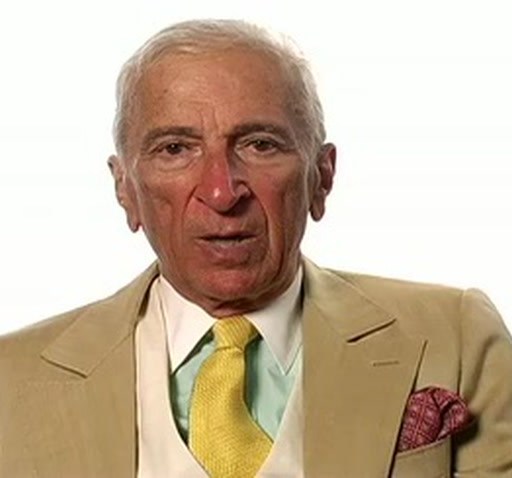
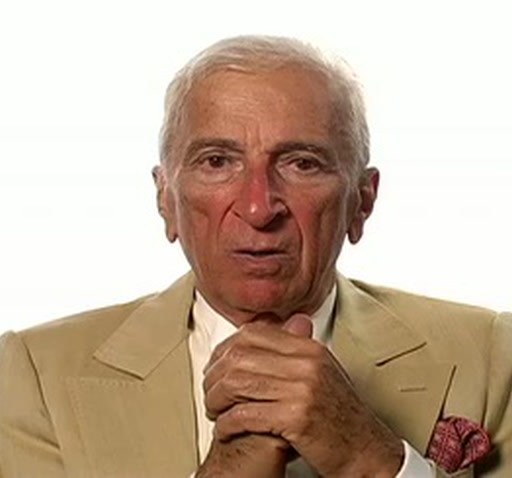
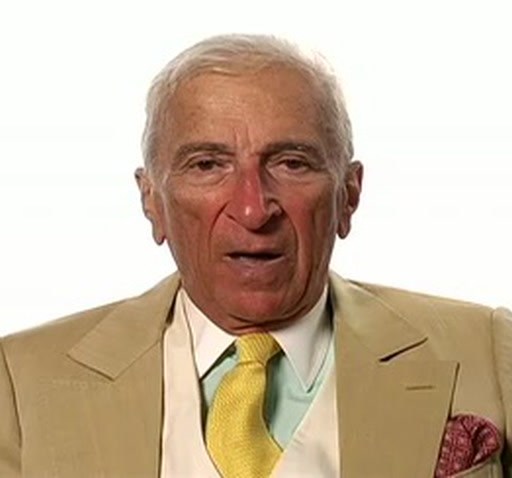
Gay Talese is an American journalist and a nonfiction writer. He wrote for The New York Times in the 1960s after working for its copy and obituary sections. In the 1950s, he was one of the first writers to add minute details, use literary flairs, and begin articles in medias res.
His groundbreaking article "Frank Sinatra Has a Cold" was named the "best story Esquire ever published," and he was credited by Tom Wolfe with the creation of an inventive form of nonfiction writing called "The New Journalism."
He has written many non-fiction books, beginning with 1964’s The Bridge: The Building of the Verrazano-Narrows Bridge. His 2006 autobiography A Writer’s Life focuses on his trials and failures as a writer, such as having a profile piece rejected by The New Yorker, which ironically reviewed the book positively and said it had a “distinctly moving” quality.
Gay Talese was named the winner of a George Polk Award for career achievement. The awards, presented by Long Island University, are considered among the top prizes in U.S. journalism. His latest book is High Notes: Selected Writings of Gay Talese.