










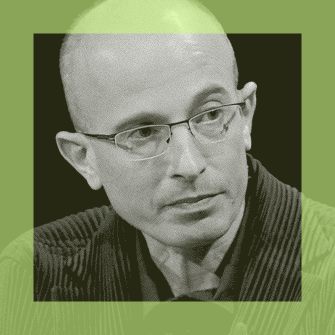

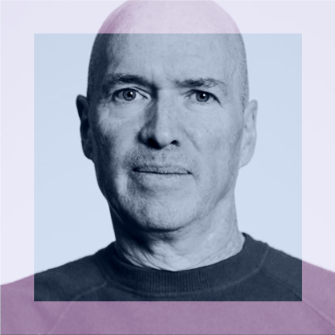

Gerald Fischbach
Scientific Director, Simons Foundation
Dr. Fischbach joined the Simons Foundation in early 2006 to oversee the Simons Foundation Autism Research Initiative. Formerly Dean of the Faculties of Health Sciences at Columbia University, and former Director of the National Institute of Neurological Disorders and Stroke at the N.I.H. from 1998-2001, Dr. Fischbach received his M.D. degree in 1965 from Cornell University Medical School and interned at the University of Washington Hospital in Seattle.
He began his research career at the National Institutes of Health, serving from 1966–1973. He subsequently served on the faculty of Harvard Medical School, first as Associate Professor of Pharmacology from 1973–1978 and then as Professor until 1981. From 1981–1990, Dr. Fischbach was the Edison Professor of Neurobiology and Head of the Department of Anatomy and Neurobiology at Washington University School of Medicine.
In 1990, he returned to Harvard Medical School where he was the Nathan Marsh Pusey Professor of Neurobiology and Chairman of the Neurobiology Departments of Harvard Medical School and Massachusetts General Hospital until 1998.