









James Watson
Molecular Biologist, Co-Discoverer of DNA
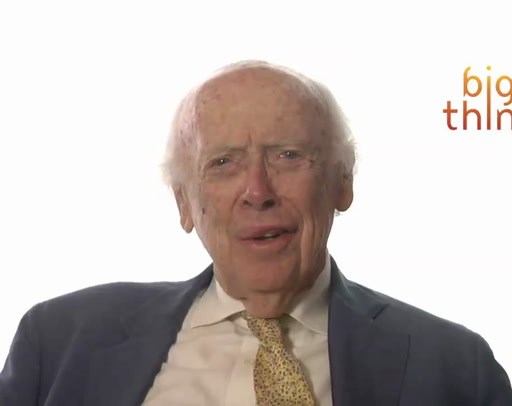
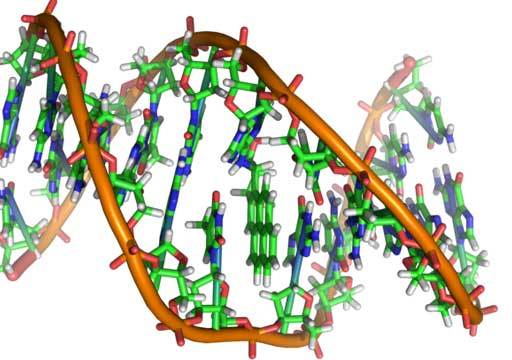
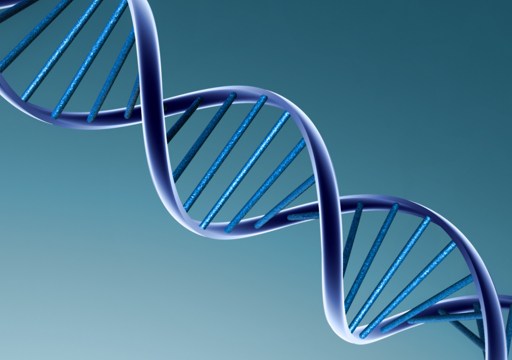
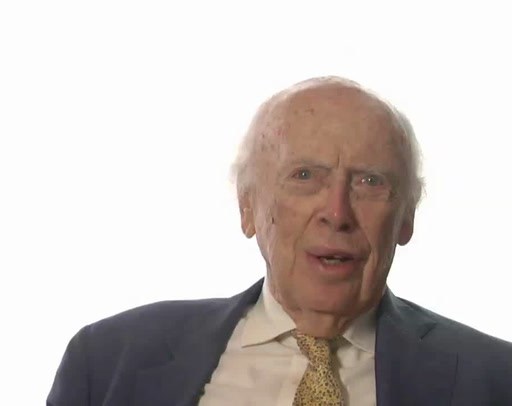
James Watson is an American molecular biologist best known for his discovery of the structure of DNA with Francis Crick in 1953. He was born in Chicago in 1928 and attended the University of Chicago for his undergraduate degree in zoology. While pursuing his Ph.D at Indiana University, Watson became interested in molecular biology, which led him to the University of Cambridge's Cavendish Laboratory for postdoctoral research. There he met Crick, the two recognized a common interest in discovering the structure of DNA. Watson, Crick, and another researcher Maurice Wilkins would later share the 1962 Nobel Prize in Physiology or Medicine for their work in this field.
In 1956, Watson became a junior member of Harvard University's Biological Laboratories, where he quickly advanced to the position of full professor. Then in 1968 he became director of Cold Spring Harbor Laboratory (CSHL) on Long Island, New York, where he shifted his research emphasis to the study of cancer. Between 1988 and 1992, Watson was also associated with the National Institutes of Health, spearheading the Human Genome Project. In 2007 he became the second person, after molecular biologist Craig Venter, to have his entire genome sequenced. Watson remained involved with CSHL, as president and later as chancellor, until 2007, when he retired following a controversy over comments he made claiming blacks are less intelligent than whites.
Watson has written many books, including the seminal textbook "The Molecular Biology of the Gene" (1965), his bestseller "The Double Helix" (1968) about his discovery of the DNA structure, and his memoir "Avoid Boring People" (2007).