


Search
Jason Gots
Editor/Creative Producer, Big Think
Jason Gots is a New York-based writer, editor, and podcast producer. For Big Think, he writes (and sometimes illustrates) the blog "Overthinking Everything with Jason Gots" and is the creator and host of the "Think Again" podcast. In previous lives, Jason worked at Random House Children's Books, taught reading and writing to middle schoolers and community college students, co-founded a theatre company (Rorschach, in Washington, D.C.), and wrote roughly two dozen picture books for kids learning English in Seoul, South Korea. He is also the proud father of an incredibly talkative and crafty little kid.
Read Less
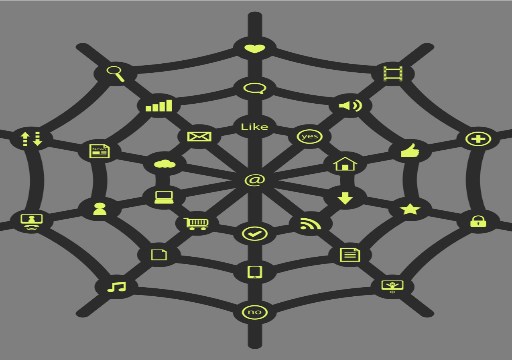
Rather than being afraid of our new publicness, says Jarvis, we ought to use it to solve some of our most complex problems.
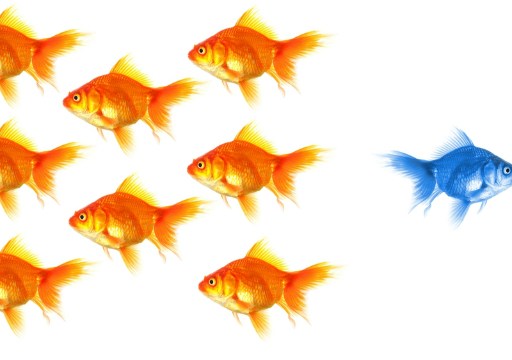
The reassuring point of Jonah Lehrer’s new book is that neuroscientific research into the human imagination will enable us to engineer environments that foster the creativity that is every human’s birthright, rather than extinguishing it.
Facebook and Twitter enable us to share ideas and discoveries with incredible speed and efficiency. At the same time, there’s a growing awareness that our identities in these virtual spaces are being constrained in ways we’re only beginning to understand.
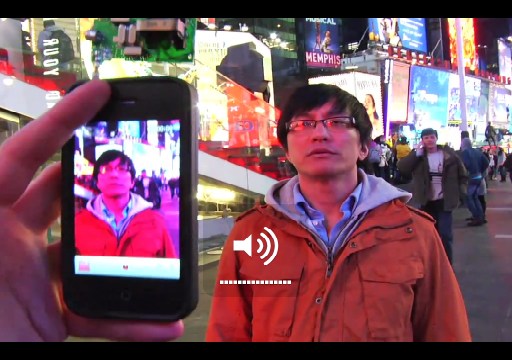
As Silicon Valley startups race to develop the next generation of sophisticated, algorithmic marketing software, it’s instructive to note the success of Thinkmodo – a viral marketing firm that films all its videos on iphones, does no market testing, and doesn’t even mention the name of the product in its campaigns.
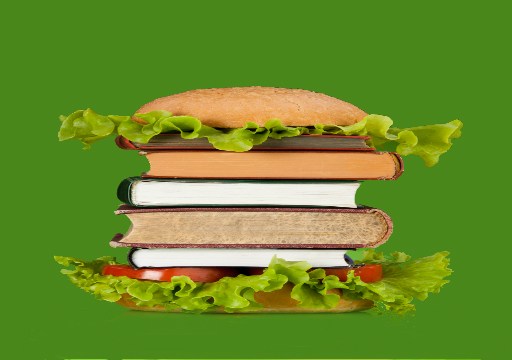
Clay Johnson, author of The Information Diet, says you can’t rely on “the media” or the internet to control your information consumption. Here he suggests a few pieces of software that have helped him to regulate his own information diet.

. . . figuring out what we want to do for a living is one of the most important and complicated decisions we make in our lives, and for many of us, school doesn't provide anything close to a road map.
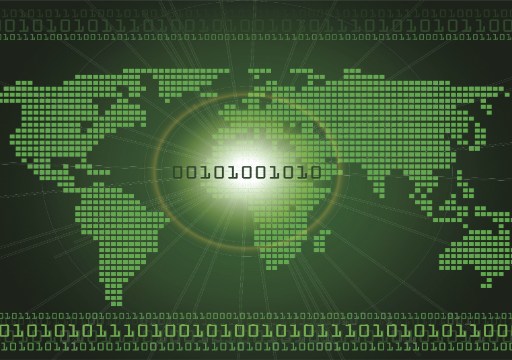
In our increasingly complex world we can't afford to silo ourselves off in little online and offline subcultures.