









Search
Jason Gots
Editor/Creative Producer, Big Think
Jason Gots is a New York-based writer, editor, and podcast producer. For Big Think, he writes (and sometimes illustrates) the blog "Overthinking Everything with Jason Gots" and is the creator and host of the "Think Again" podcast. In previous lives, Jason worked at Random House Children's Books, taught reading and writing to middle schoolers and community college students, co-founded a theatre company (Rorschach, in Washington, D.C.), and wrote roughly two dozen picture books for kids learning English in Seoul, South Korea. He is also the proud father of an incredibly talkative and crafty little kid.
Read Less

So you want to live forever? Double-check your motives, says ethicist Paul Root Wolpe.
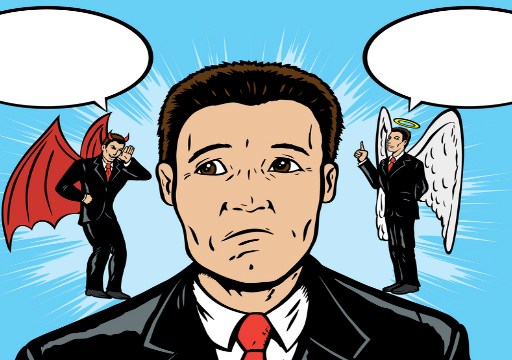
Amid widely-publicized corporate scandals, global environmental threats, and powerful advances in biotechnology, says ethicist Paul Root Wolpe, big companies find themselves tromping through an ethical minefield, and desperately in need of guidance.

"Retention, even in difficult times," says Rich Lesser of Boston Consulting Group, "becomes a bellwether for employees about whether they should invest back in you, and so your priority is . . . to know the things that are most important to your future success, and invest starting with the people.'"

If managed intelligently, efforts like Mark Tercek’s with the Nature Conservancy may succeed in funding ambitious environmental projects that would otherwise remain on the drafting table, and transforming the way industry understands its relationship with the Earth.

Historian Niall Ferguson responds to a recent study suggesting that the US is on the verge of a manufacturing renaissance. He believes that major legal and economic reforms would have to take place first.

Big Think seems to be involved in a lot of meme-creation these days. And two prominent examples, featuring past Big Think experts Neil deGrasse Tyson and Salman Rushdie, happen to involve the word “badass.”
Nobel prize-winning psychologist Daniel Kahneman, author of the new book Thinking, Fast and Slow, knows more than most about how people make decisions. And we often make them badly. As a rule, Kahneman would advise people to slow down their decision-making whenever possible.