The chemical, oxytocin, that makes us want to cuddle, also makes us very suspicious of out-groups, people who are not in our relationship.
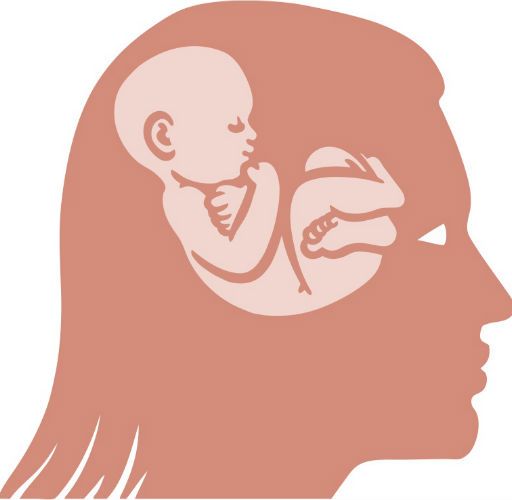
What’s become clear is that, like romantic love, pregnancy is something that changes the risk and the reward processing circuit of the brain.

Couples that stay together tend to have very highly correlated levels of oxytocin.

Everyone has a unique odor print that is built on your immune system genes and that is one of the things that attracts you to a partner.

A broken heart isn’t something that should be discounted.

I can go with my gut and sort of feel a situation out. And I think that’s rather liberating.
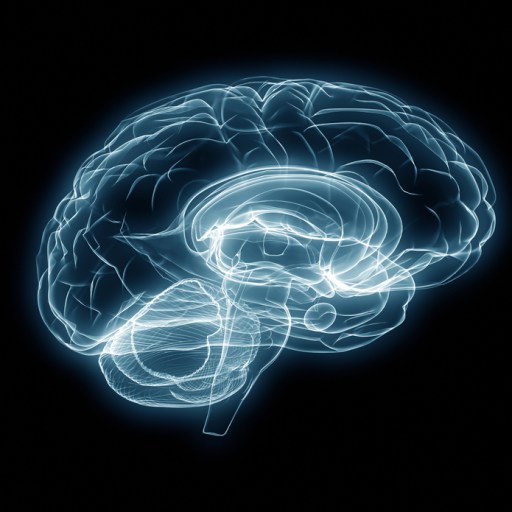
As much as I would like to argue that fathers' biological commitment to pregnancy is very little, they do go through some changes.

As a society, we have so many hang-ups about sex. If we would address that head on, we’d have a lot less problems related to it. It’s just part of […]
I have friends who I’ve known since they were 12, and they wanted to be moms and that was going to be the focus of their life. I wasn’t in […]
Is neural signature going to tell you how much in love you are? Probably not.

The stories come in surprising ways. An unexpected confession over a meal or a few drinks. A warning, perhaps, to keep your distance from a particular person before a conference. […]
A few years ago, Lay’s Potato Chips threw down the gauntlet in a new advertising campaign: “Bet you can’t eat just one!” It was a clever slogan–and had a clever […]

Did you see that photo of sharks allegedly swimming in a mall in Kuwait? Or the video of the eagle grabbing a baby in Montreal? Both must have been shared […]

Could monitoring the activity of a brain region called the anterior cingulate cortex (ACC) help law enforcement officials predict which violent criminals are likely to re-offend? A recent study out […]

Nearly 10 years ago, the Supreme Court outlawed the death penalty for crimes committed by minors in Roper v. Simmons. Justice Anthony Kennedy, representing the majority opinion, wrote: First, as […]
One of the best things I read this week was a piece by Vaughan Bell in the Guardian entitled, “Our Brains, and How They’re Not as Simple as We Think.” […]

You’ve heard it time and time again: marriage is good for your health. Studies have shown that married folks not only live longer but also enjoy better health than their […]
I have a friend who suffers from chronic pain. She has tried meditation, acupuncture, opioids, yoga and all manner of other remedies. Chances are, if anyone, anywhere, has said something […]
What secrets might one single biological pathway be harboring? The RAS family of proteins have a unique role. They act as a sort of relay, an on/off switch, if you […]
Ludwig van Beethoven is credited with saying, “Music is a higher revelation than all wisdom and philosophy.” And while some may argue the point, there’s certainly been a good bit […]