







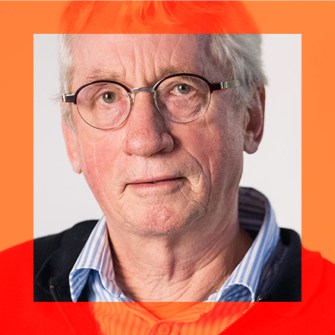
Ken Liu

Ken Liu

Writer

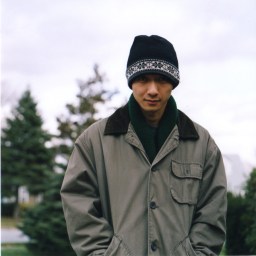
A person standing outdoors, wearing a black knit hat, green scarf, and a beige jacket with hands in the pockets. Trees and a cloudy sky are in the background.

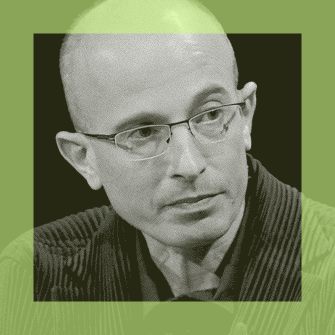
Ken Liu (http://kenliu.name) is an American author of speculative fiction. A winner of the Nebula, Hugo, and World Fantasy awards, he wrote the Dandelion Dynasty, a silkpunk epic fantasy series (starting with The Grace of Kings), as well as short story collections The Paper Menagerie and Other Stories and The Hidden Girl and Other Stories. Stories from The Hidden Girl and Other Stories have been adapted into Craig Silverstein's animated series, Pantheon. His latest book is All that We See or Seem, a thriller starring an AI-whispering hacker who saves the world.

A book cover titled "All That We See or Seem" by Ken Liu rests on a light background, beside text reading "an excerpt from" on a vibrant purple background. “All That We See or Seem”: A novel by Ken Liu
A preview of the latest novel by the Hugo- and Nebula-winning author.
People in early 20th-century attire gather outside a building, as an intriguing green geometric pattern overlays the scene. This blend of classic and modern elements evokes the innovative spirit of AI art. The cinematograph, the “noematograph,” and the future of AI art
Hugo-winning author Ken Liu explores what early cinema and Chinese poetry can teach us about AI's potential as a new artistic medium.
A retro computer displays a ghost on the screen as pixelated chains drift across the foreground, reminiscent of a scene from a Ken Liu short story. This digital haunt unfolds against a vivid orange background. “The gods will not be chained”: A short story by Ken Liu
The first in a series of short stories by the Hugo- and Nebula-winning author that inspired the cult hit "Pantheon."
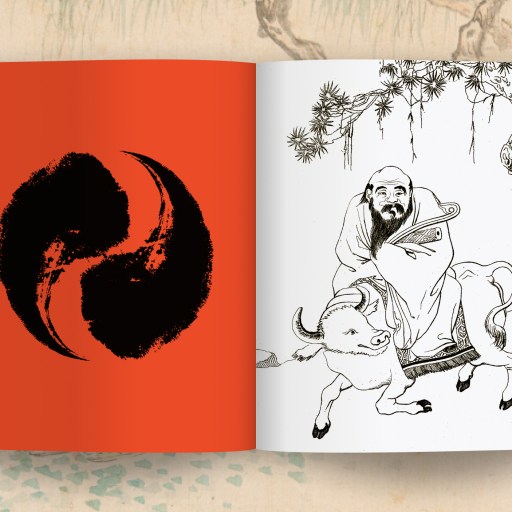
An open book with a red page showing a black, abstract, circular design on the left and a black-and-white illustration of a person practicing Daoism while riding an ox next to a tree on the right. Why the ancient power of the Dao De Jing is more important than ever
"In that conversation with Laozi’s text, I began to see the shape of my own life, the questions that opened seams, the patterns that pooled and shimmered."